To be a premier institution in Engineering & Technology that fosters excellence in education and research with ethics towards inspiring and developing future technocrats.
- To impart quality educational experience with ethical and human approach and skills to students that enables them to become successful technocrats in their chosen career.
- To nurture scientific temperament and promote research and development activities.
- To provide service to industries and communities through educational, technical, and professional activities.
To nurture technically proficient and ethical engineers through quality education and research in Electronics and Communication Engineering.
M1 – Educational Excellence: To impart comprehensive and up-to-date knowledge in Electronics and Communication Engineering fostering a deep understanding of core principles and emerging technologies.
M2 – Research Empowerment: To develop practical skills and technical expertise through hands-on learning, research opportunities, and industry collaborations, enabling students to solve complex engineering problems.
M3 – Critical Minds: To cultivate a strong sense of ethics, professional responsibility, and commitment to societal well-being, ensuring that graduates contribute positively to the community and the engineering profession
PEO 1 – To pursue successful career in Electronics and Communication Engineering involving professional knowledge and skills for analysis, design and solution of real time engineering problems.
PEO 2 – To excel in professional career with sound fundamental knowledge of Electronics and Communication Engineering and pursue life-long learning including higher education and research.
PEO 3 – To demonstrate interpersonal skills, leadership, ability and team building to achieve organization goals and serve society with professional ethics and integrity.
PO1 – Engineering knowledge: Apply the knowledge of mathematics, science, engineering fundamentals, and an engineering specialization to the solution of complex engineering problems.
PO2 – Problem analysis: Identify, formulate, review research literature, and analyze complex engineering problems reaching substantiated conclusions using first principles of mathematics, natural sciences, and engineering sciences.
PO3 – Design/development of solutions: Design solutions for complex engineering problems and design system components or processes that meet the specified needs with appropriate consideration for the public health and safety, and the cultural, societal, and environmental considerations.
PO4 – Conduct investigations of complex problems: Use research-based knowledge and research methods including design of experiments, analysis and interpretation of data, and synthesis of the information to provide valid conclusions.
PO5 – Modern tool usage: Create, select, and apply appropriate techniques, resources, and modern engineering and IT tools including prediction and modeling to complex engineering activities with an understanding of the limitations.
PO6 – The engineer and society: Apply reasoning informed by the contextual knowledge to assess societal, health, safety, legal and cultural issues and the consequent responsibilities relevant to the professional engineering practice.
PO7 – Ethics: Apply ethical principles and commit to professional ethics, responsibilities, and norms of the engineering practice.
PO8 – Individual and teamwork: Function effectively as an individual, and as a member or leader in diverse teams, and in multidisciplinary settings.
PO9 – Communication: Communicate effectively on complex engineering activities with the engineering community and with society at large, such as, being able to comprehend and write effective reports and design documentation, make effective presentations, and give and receive clear instructions.
PO10 – Project management and finance: Demonstrate knowledge and understanding of the engineering and management principles and apply these to one’s own work, as a member and leader in a team, to manage projects and in multidisciplinary environments.
PO11 – Life-long learning: Recognize the need for, and have the preparation and ability to engage in independent and life-long learning in the broadest context of technological change.
PSO 1 – Graduates will able to apply fundamental knowledge of electronics, signal processing, embedded systems, VLSI, and communication technologies to design, develop, and analyze electronic and communication systems.
PSO 2 – Graduates will utilize modern engineering tools, simulation software, programming languages, and hardware platforms to model, simulate, implement, and troubleshoot real-world electronics and communication applications, supporting professional growth and innovation.
Program details overview
Bachelor of Technology Electronics and Communication Engineering
Parul University’s B.Tech in Electronics and Communication Engineering offers comprehensive training in analog and digital circuits, signal processing, communication systems, and embedded technologies, preparing students to lead in high-tech industries.
Electronics and Communication Engineering (ECE) is the foundation of today’s connected world, powering everything from smartphones to satellite systems. The increasing convergence of hardware and wireless technologies continues to drive the need for skilled professionals.
Here is how you can study this program

Bachelor of Technology Electronics and Communication Engineering
The B.Tech in Electronics and Communication Engineering (ECE) program equips students with strong knowledge in electronics, communication technologies, embedded systems, and IoT. The program focuses on both theoretical concepts and practical skills to design and develop modern electronic devices and communication systems. Graduates are prepared for careers in rapidly growing sectors such as telecommunications, semiconductor industries, embedded systems, and smart technologies.
Secure your place
25th August 2026
Applicable deadline
25th August 2026
Batch Commencing
8th July Onwards
Duration
4 years
Credits
167
Seats
120
Fee
1,75,000/- Per Annum
Language
English
Eligibility Criteria
Candidate shall have passed 12th Science with Physics and Mathematics as compulsory subject with Chemistry/Computer Science/Information practice/Computer with 45% for general and 40% for reserved category in theory or theory + practical from recognized board.
*Tuition Fees may vary depending on the Country/State in which the candidate has passed their qualifying examination.
Bachelor of Technology Electronics and Communication Engineering
Designed for diploma holders or professionals with relevant technical experience, this lateral entry option offers direct admission into the second or third year. Students enhance their expertise in real-time systems, signal processing, microcontrollers, and IoT integration—gaining practical experience through labs, industry projects, and innovation hubs.
Secure your place
25th August 2026
Applicable deadline
25th August 2026
Batch Commencing
8th July Onwards
Duration
3 Years
Fee
1,75,000/- Per Annum
Language
English
Eligibility Criteria
Candidate shall have passed Diploma engineering with 45% for Open Category and 40% for( SC/ST/SEBC) and can get admission in 2nd year of B.Tech (Lateral Entry)(Candidate can change the specialization from diploma to degree)
*Tuition Fees may vary depending on the Country/State in which the candidate has passed their qualifying examination.
Bachelor of Technology Electronics and Communication Engineering
This internationally-focused program combines global standards, cross-cultural learning, and opportunities for international academic exchange. Students can participate in joint degree programs, internships, and semester-abroad experiences, helping them develop a global mindset and technical adaptability for global tech markets.
Secure your place
25th August 2026
Applicable deadline
25th August 2026
Batch Commencing
8th July Onwards
Duration
2+2 Years
Extend Your Learning, Walk Away with Dual Degrees
While you are studying your main degree, you can also study another degree as a dual degree program which provides you an opportunity to explore multiple fields of study. With Dual Degree you can study your main degree in physical mode and your second degree in hybrid mode with adjustable study hours

Why study this program
Design communication systems that bridge devices, cities, and networks worldwide.
Connect the World
B.Tech in Electronics and Communication Engineering equips students to design and develop advanced electronic systems, communication devices, and embedded technologies that power today’s digital world.
High Demand
ECE graduates are sought after in telecom, embedded systems, VLSI, IoT, automation, and semiconductor industries, as well as research and defense sectors.
Practical Learning
Students gain hands-on experience in circuit design, signal processing, microprocessors, and wireless communication systems through lab sessions and project-based learning.
Modern Infrastructure
Parul University offers modern labs for analog & digital electronics, communication systems, embedded development boards, and simulation software like MATLAB and Multisim.
Advanced Learning at PU
The program covers subjects like digital communication, microcontrollers, VLSI design, embedded systems, antenna theory, IoT, and network security—preparing students for diverse electronics careers.

What you can become after studying Electronics and Communication Engineering?

Electronics Design Engineer

Embedded Systems Developer

Network & Signal Analyst

VLSI/Chip Design Engineer

Telecom Engineer

IoT Solutions Developer

Here is the Important Information you need to Know
Find out if this is the right course for you.
Find out if this is the right course for you.

Download curriculum
Get a complete overview of what you’ll learn, the skills you’ll build, and how the program shapes your academic journey.


Download teaching scheme
Understand how your learning is structured, from subject flow to timelines, designed to keep your progress clear and consistent.

Download faculty details
Discover the experts behind your education: their experience, specialisations, and the knowledge they bring into the classroom.
Download curriculum
Get a complete overview of what you’ll learn, the skills you’ll build, and how the program shapes your academic journey.
Download teaching scheme
Understand how your learning is structured, from subject flow to timelines, designed to keep your progress clear and consistent.
Download faculty details
Discover the experts behind your education: their experience, specialisations, and the knowledge they bring into the classroom.
Launch your career with our leading placements
We provide you with leading placement opportunities before you graduate, with the best career training and an exposure to leading recruiters.
4 LPA
Average Package
50+
Recruiters
26 LPA
Highest package

Give your future career a head start
Explore our facilities & resources for this program
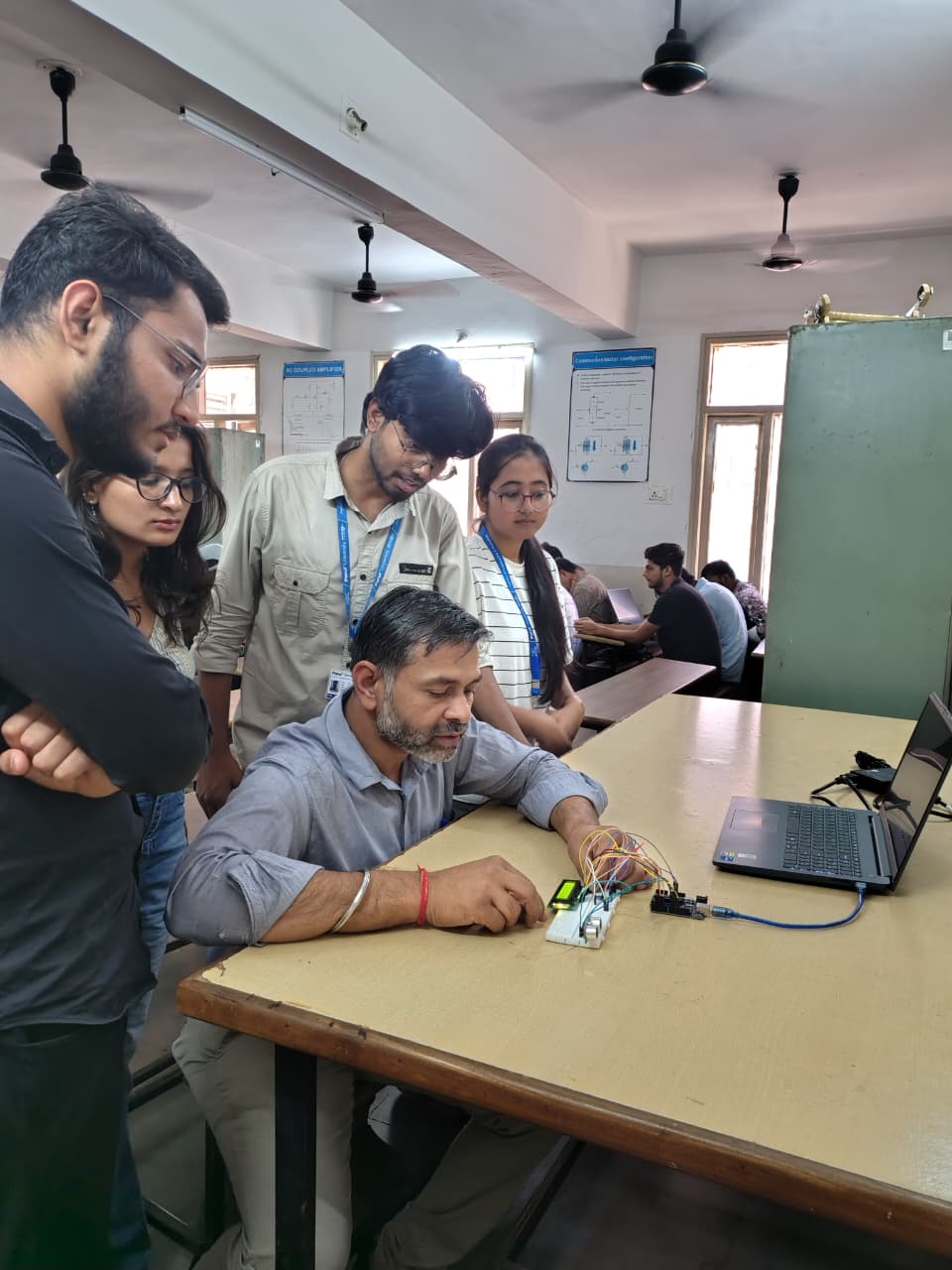
Digital Electronics Laboratory
The Digital Electronics Laboratory is designed to provide students with practical knowledge of digital logic circuits and their applications. In this laboratory, students perform experiments...
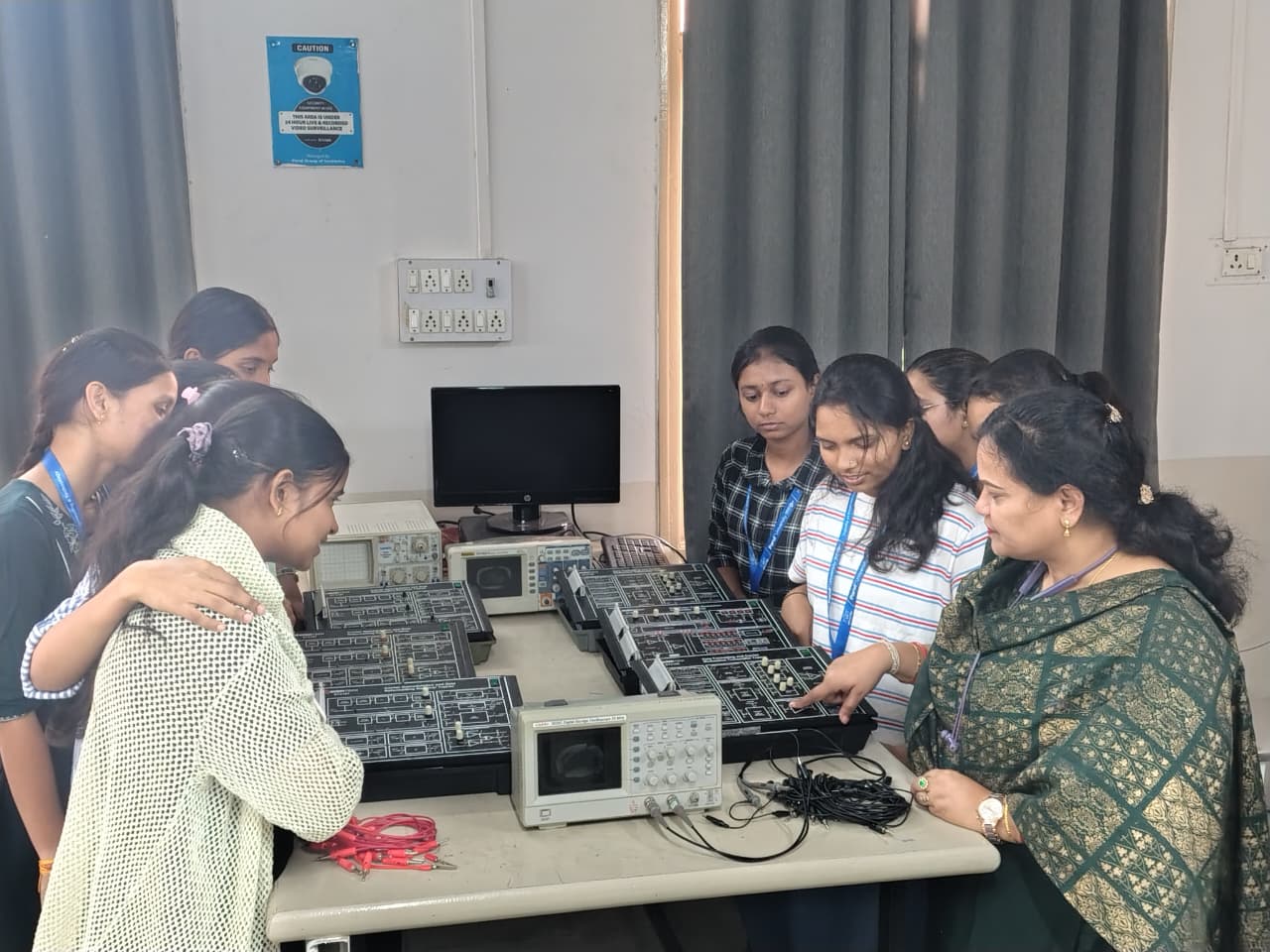
Digital Communication Laboratory
The Digital Communication Laboratory is designed to provide students with practical understanding of the fundamental concepts of digital communication systems. In this laboratory, students perform...
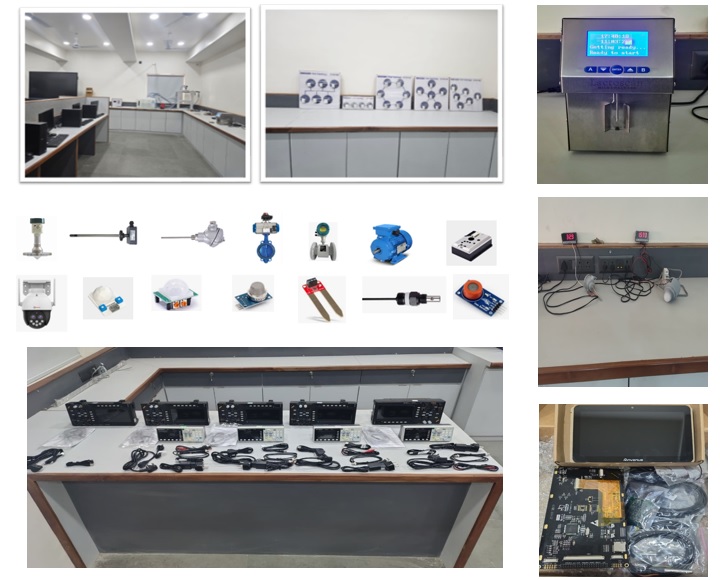
Center of Excellance in Embedded System
The Center of Excellence in Embedded Systems is established to provide an advanced platform for students and faculty to explore embedded system design and real-time...
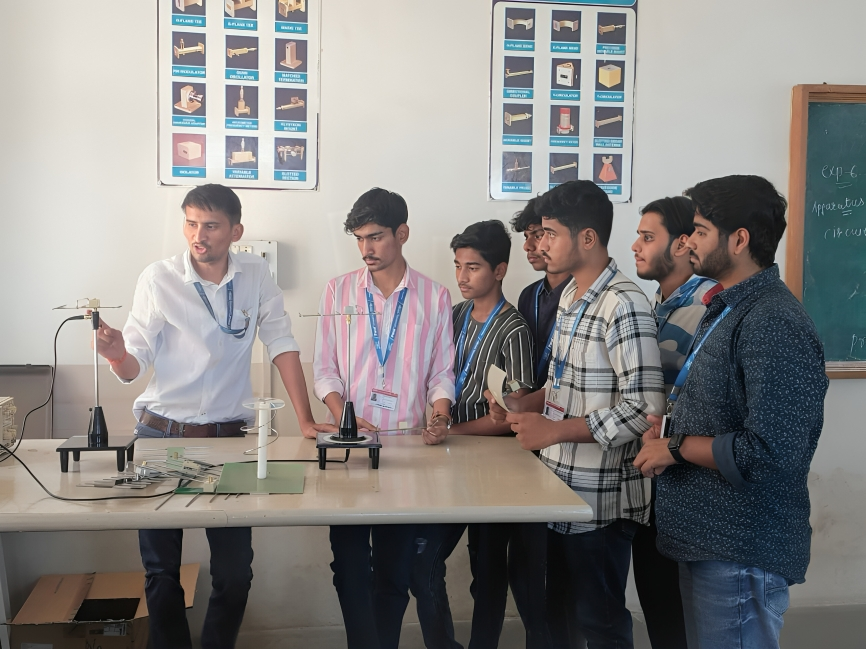
Antenna & Microwave Laboratory
The Antenna & Microwave Laboratory is designed to provide students with practical exposure to the fundamental concepts of antenna theory and microwave engineering. Students measure...
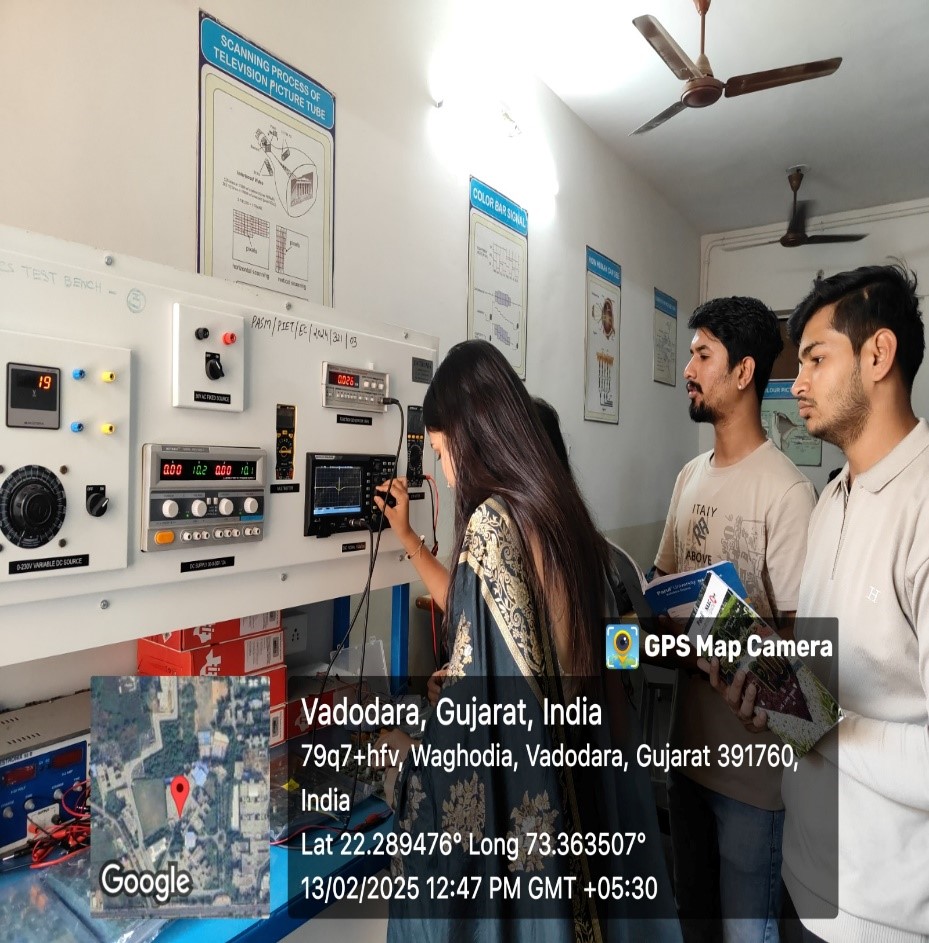
Anlog Circuit Laboratory
The Analog Circuit Laboratory is designed to provide students with practical knowledge and hands-on experience in analog electronic circuits and electronic devices. In this laboratory,...
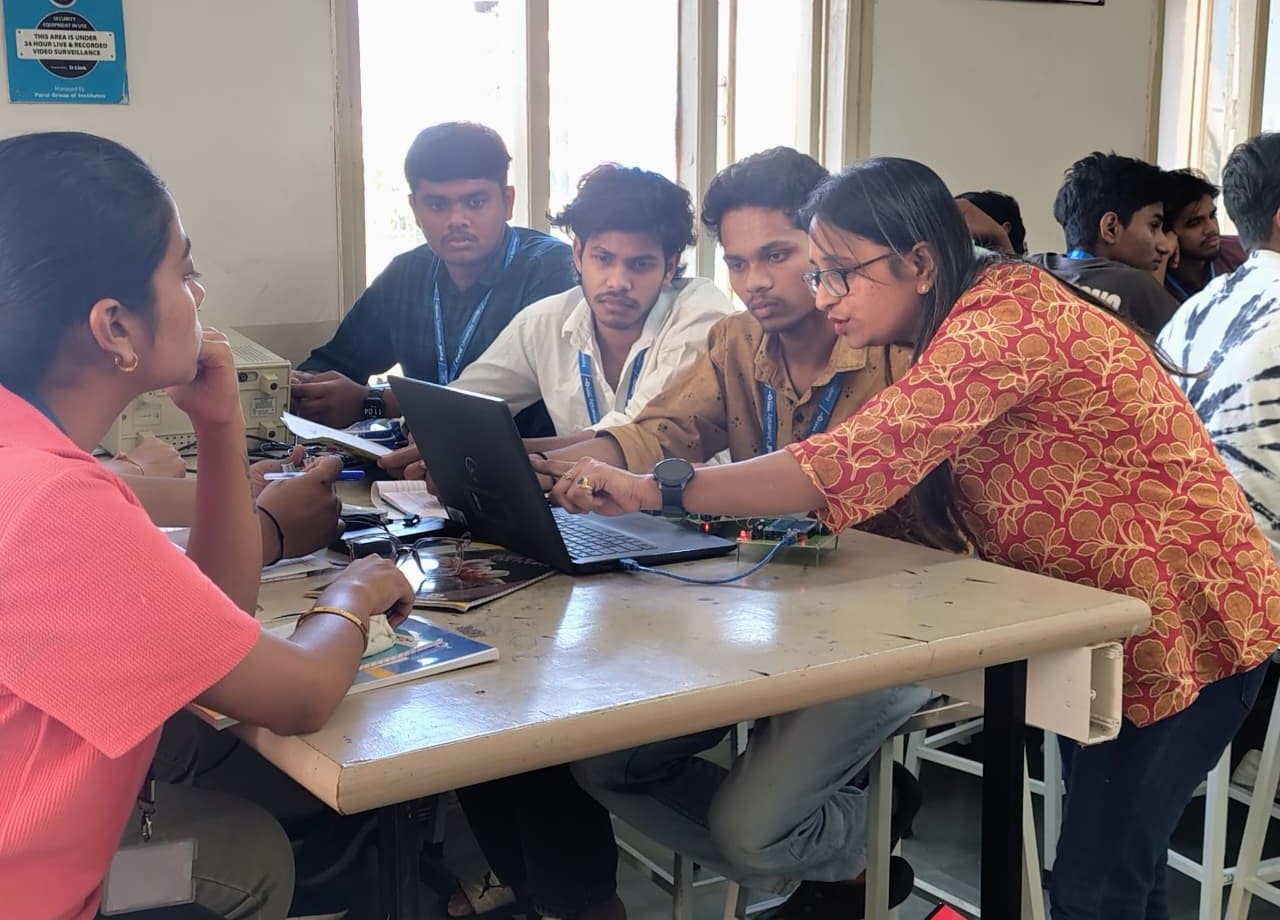
Electronics Workshop Laboratory
The Electronics Workshop Laboratory is designed to provide students with fundamental practical skills in electronic hardware development and circuit implementation. In this laboratory, students gain...
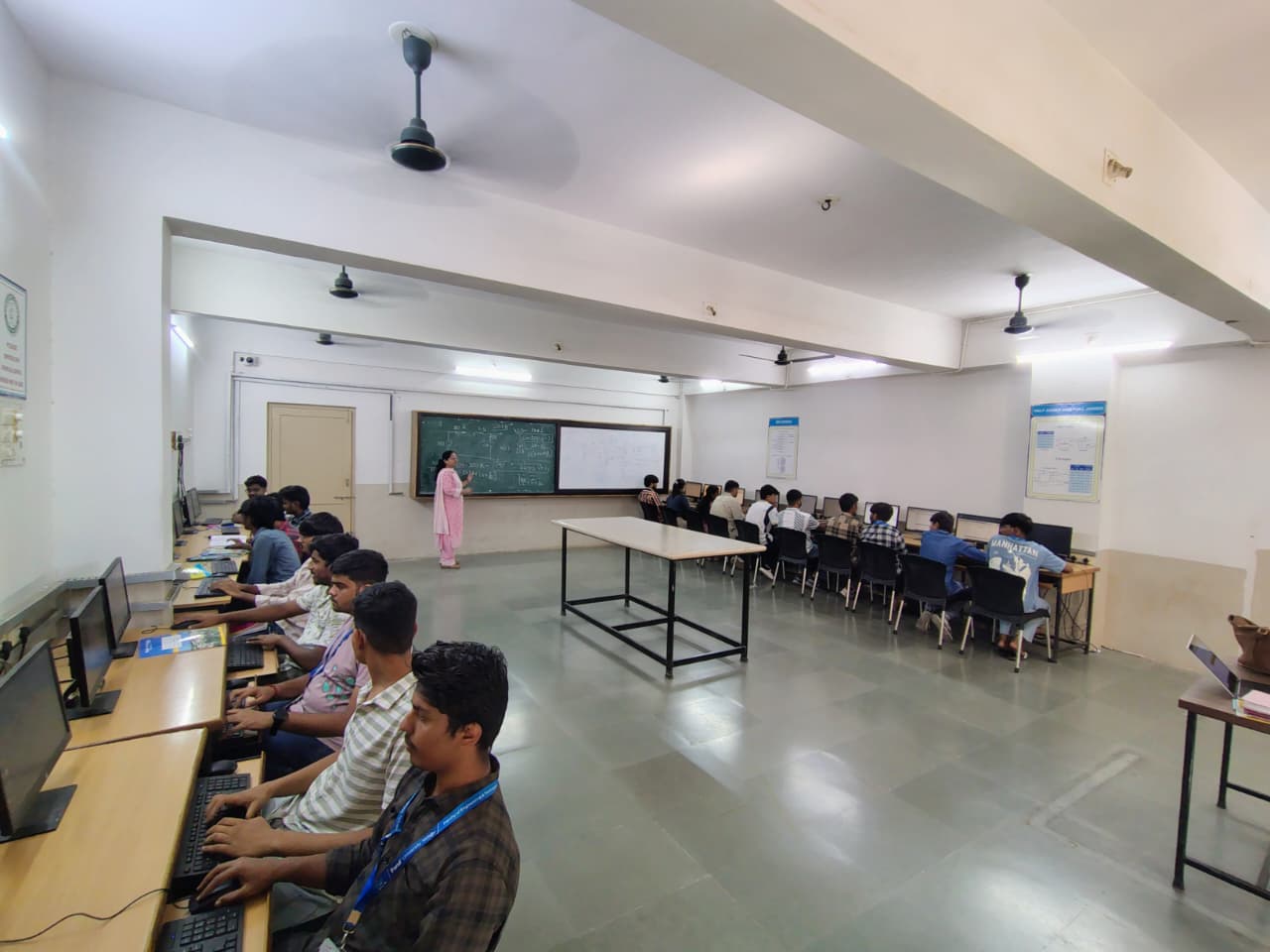
VLSI Laboratory
The VLSI Laboratory is designed to provide students with practical exposure to Very Large Scale Integration (VLSI) design concepts and digital circuit design using advanced...
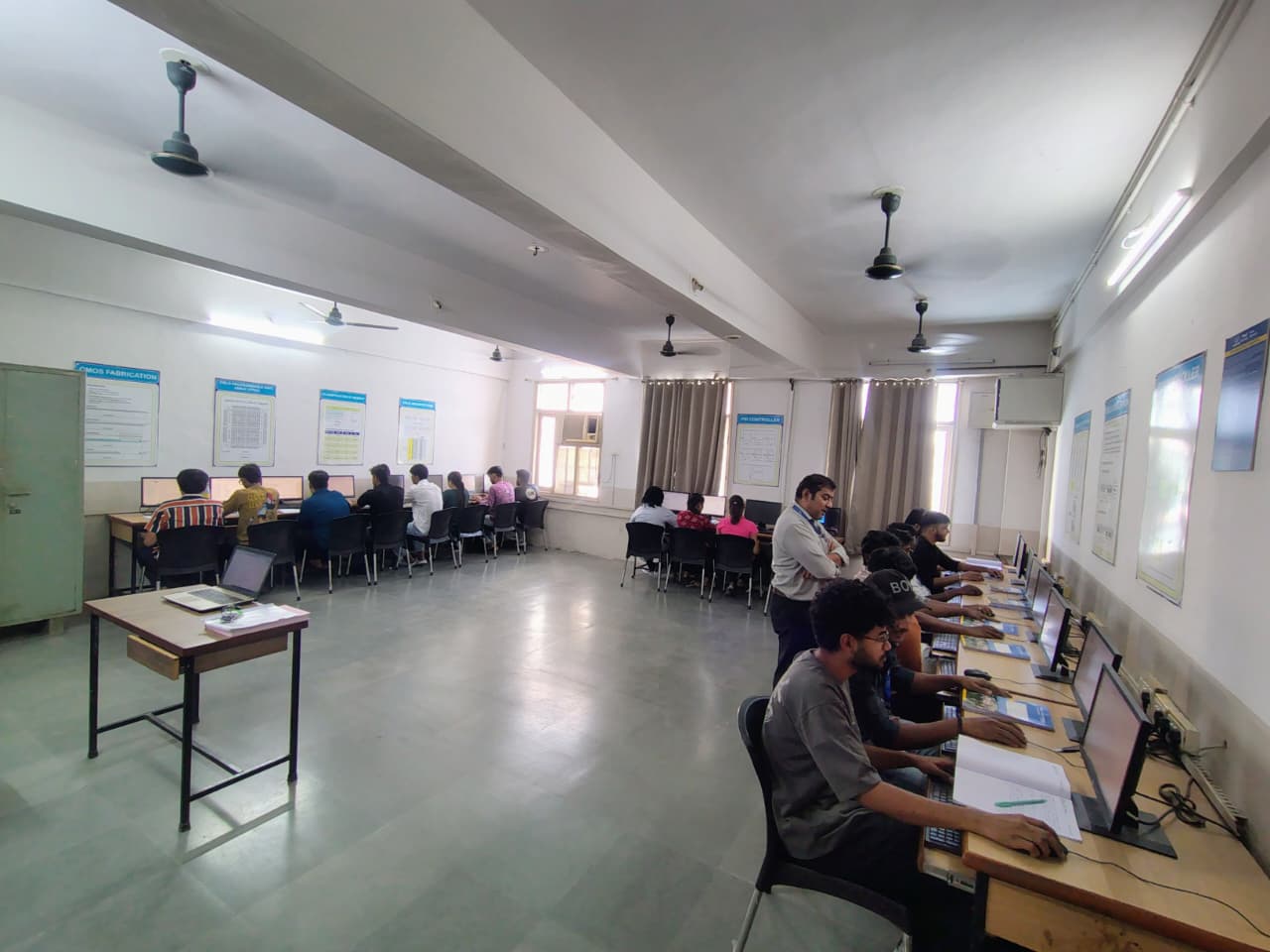
Embedded System Laboratory
The Embedded System Laboratory is a computer-based laboratory designed to support the practical implementation of concepts related to embedded systems and various simulation-based subjects in...
Scholarships & funding
Financing and supporting your education
Get information on the various scholarships, grants, and student loans you can avail to fund your dream education.

Meritorious scholarships
Recognising academic excellence by providing scholarship opportunities to those who exceptionally pass board and entrance exams
Know more


Sports scholarships
Recognising athletic excellence by providing scholarship opportunities to those who have achieved distinction in sports at State, National, or International levels.
Know more

Alumni scholarships
Fostering lifelong connections by providing scholarship opportunities to the wards of PU alumni to continue the legacy of excellence.
Know more

Defense scholarships
Honoring the families of defense service persons by providing scholarship opportunities to their wards to study at PU
Know more

Stay up to date with Communication & Embedded Tech
What Is Prompt Injection? AI Security in the Age of Agentic AI and MCP
As AI systems move from answering questions to taking actions, they become software that can be attacked. Prompt injection, now ranked the number-one risk to AI applications, is the central threat, and agentic AI and the Model Context Protocol expand the attack surface. Here is what it means, and how to defend against it.

Uday Kiran Bandikanti: A Parul University ECE Placement, From an Electronics Curiosity to HLS Asia Limited
Uday Kiran Bandikanti wanted to know how electronics worked, not just how to use it. That curiosity carried him through a B.Tech in Electronics and Communication Engineering at Parul University and into a full-time role at HLS Asia Limited, a Halliburton joint venture, converted from his internship.
Inside Parul University’s PLC & SCADA Lab at Lakshya 2047 with Schneider Certification Training
This article covers the full-fledged ecosystem of the PLC & SCADA Lab at Lakshya 2047, Parul University. The lab will allow students to avail training on Schneider Electric M221 PLCs, SCADA monitoring, HMIs, & VFDs for processes. Besides this, the centre will even open up its pathways for two premium certifications – Siemens Certified Drives & Automation and ISA Certified Control System Technician!

How Parul University’s Lakshya 2047 Creates a Different Future Skills Model from IITs & NITs
Parul University’s Lakshya 2047 Centre differs structurally from IIT and NIT centres through cross-faculty lab access, 25+ industry credentials, and PIERC entrepreneurship integration. Different models serve different student trajectories rather than competing for the same workforce profile.

AICTE IDEA Lab at Lakshya 2047: 3D Printing, Electronics and Innovation Training Hub
The AICTE IDEA Lab Prototyping Zone inside Parul University’s Lakshya 2047 Centre provides Bambu Lab, PRUSA XL and ELEGOO Resin 3D printers, DGSHAPE milling, Roland cutting, Puhui heating, YIHUA soldering, Fluke instruments, and electrochemical workstation for end-to-end hardware prototyping.

How Students Learn VLSI Design and Semiconductor Engineering at Parul University
The VLSI Lab inside Parul University’s Lakshya 2047 Centre provides 36 computer systems running Verilog HDL, VHDL, and software-driven hardware design tools, with Synopsys Certified Professional (VLSI) and IEEE VLSI Design certifications aligned to India’s Semiconductor Mission.
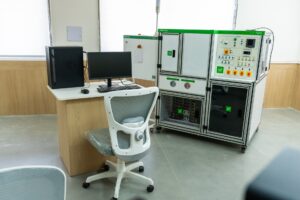
How Parul University’s Home Automation Lab Trains Students in BMS and HVAC Systems
The Home Automation Lab inside Parul University’s Lakshya 2047 Centre provides two complete BMS units, two full HVAC simulators with real compressors, MCU temperature controllers, and prepares students for the Schneider Electric EcoXpert Building Automation certification.
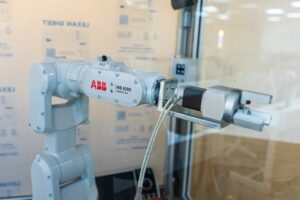
How Parul University’s ABB Robotics Lab Trains Students in Industrial Automation & AI Manufacturing
Parul University’s ABB Robotics & Industrial Automation Lab is providing an ABB IRB-series industrial robot, 25 computer stations for programming and simulation, RAPID training, and preparation for ABB Advanced Robotics and ISA CAP certifications.
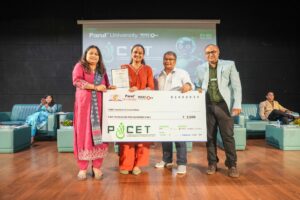
PiCET 2026 Valedictory: 12 Track Winners, Four Research Categories, and the Parul University B.Tech Programmes That Train for Each
The last day of PiCET was observed on 2nd May 2026 with an award ceremony. Appreciating twelve winners across the research sessions. The highest prize awarded was ₹15K, the third prize winner offered ₹5K, along with consolation awards. The article mentions a complete list of winners, paper IDs, and Parul University’s engineering programs that train students who prepare them for each domain.
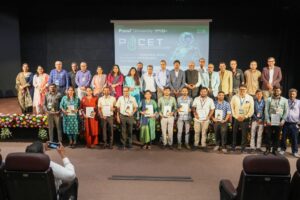
22 Research Papers Across Three Sessions: What Researchers Actually Presented at PiCET 2026
Across three technical paper presentation sessions at PiCET 2026, twenty-two research papers were presented covering healthcare AI, agriculture intelligence, security and privacy, computer vision, accessibility tools, energy infrastructure, financial forecasting, recommender systems, and the democratisation of machine learning. Highlights of the work across all three sessions, organised by research theme.

Prof. Sulaiman Wadi Harun on Ultra-Fast Lasers, Optical Microfibers, and the Future of Light-Based Technology Backed by Photonics for Sustainable Development.
Prof. Sulaiman Wadi Harun, faculty at the University of Malaya and one of the most published researchers in modern optical engineering with 1,400+ publications and 22,000+ citations, delivered the PiCET 2026 keynote on photonics for sustainable development. The session ran through the history of the laser, the science of optical fibre amplification, the engineering of ultra-fast pulse generation, and the new field of optical microfibers at nanometre scales.
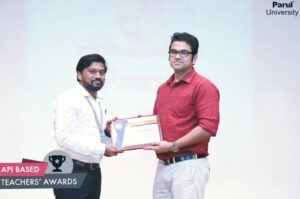
The 14 Years Journey From the 36th Faculty Member at Parul Polytechnic to Incubation Manager at PIERC: How Mr. Hutesh Baviskar Built the Ground-Level Innovation Infrastructure Behind Parul University’s NIRF Innovation Top 50 Recognition, Four Consecutive Years of IIC 4-Star Rating, and a Portfolio of More Than 42 Mentored Startups
Mr. Hutesh Baviskar, Incubation Manager at PIERC at Parul University, has mentored more than 42 startups, coordinated 65 faculty across the institution, and built the ground-level infrastructure behind NIRF Innovation Top 50 recognition and four consecutive years of IIC 4-star rating.

Dammapeta (Telangana) to Parul University – Meet Kondapalli Shanmukha Sai Ram, who championed a placement at BP (British Petroleum) by building a ₹1.25 lakh-funded hospital robot & an emergency vehicle traffic system.
Kondapalli Shanmukha Sai Ram, B.Tech Electronics & Communication Engineering student (2026 Class) at Parul University, championed a full-time campus placement at British Petroleum after successfully building a patient service robot for ICU; it has won ₹1.25 lakh in project funding. He has completed an industry internship in RD & antenna testing and developed a LoRa-based traffic clearance system for emergency vehicles. Read ahead for the full coverage!