Program details overview
Master of Science in Biotechnology
Parul University’s M.Sc. in Biotechnology program is designed to provide students with an advanced understanding of molecular biology, genetic engineering, and biotechnological applications in healthcare, agriculture, and industry. The curriculum integrates theoretical learning with laboratory research, industrial training, and exposure to cutting-edge biotechnological advancements, preparing students for careers in research, pharmaceuticals, environmental sciences, and biotechnology firms.
This program is ideal for students passionate about genetic research, drug development, and applying biotechnology to solve global challenges in food security, healthcare, and environmental sustainability.
Here is how you can study this program

Master of Science in Biotechnology
The 2-years M.Sc. in Industrial Biotechnology program equips students with advanced knowledge and practical skills in molecular biology, bioprocess engineering, and large-scale biotechnology applications. The curriculum focuses on microbial technology, enzyme engineering, metabolic pathway design, and the industrial production of bio-based products. Through hands-on laboratory training, research projects, and exposure to industry practices, students are prepared for careers in biomanufacturing, biofuels, pharmaceuticals, and environmental biotechnology. The program also lays a strong foundation for research and innovation in sustainable industrial processes.
Secure your place
25th August 2026
Applicable deadline
25th August 2026
Batch Commencing
8th July Onwards
Duration
2 years
Credits
180
Seats
60
Fee
1,15,000/- Per Annum
Language
English
Eligibility Criteria
Candidate shall have passed B.Sc in Biotechnology/Life Sciences/Microbiology/Biochemistry/Botany/Zoology/Genetics from a recognized university.
*Tuition Fees may vary depending on the Country/State in which the candidate has passed their qualifying examination.
Extend Your Learning, Walk Away with Dual Degrees
While you are studying your main degree, you can also study another degree as a dual degree program which provides you an opportunity to explore multiple fields of study. With Dual Degree you can study your main degree in physical mode and your second degree in hybrid mode with adjustable study hours
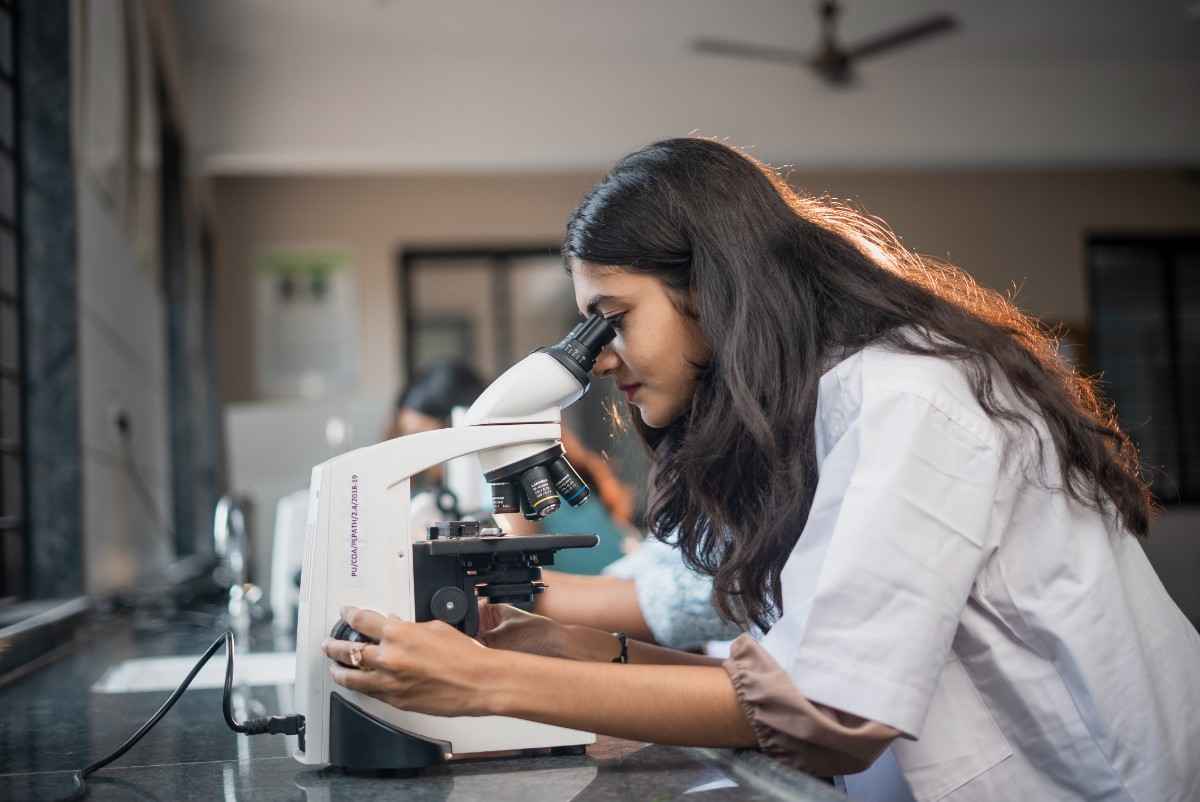
Why study this program
Be a part of a engaging learning atmosphere that gives you the tools to excel in the career of your choice.
Drive Innovation
M.Sc. in Biotechnology equips students with advanced skills in genetic engineering, molecular biology, and bio-manufacturing—enabling breakthroughs in health, agriculture, and the environment.
Booming Global Industry
With applications in pharmaceuticals, agriculture, environmental conservation, and food science, biotechnology offers vast career opportunities and research potential.
Research-Oriented Learning
Students engage in practical training across genetic manipulation, fermentation technology, and cell biology through project-based labs and industry-relevant experiments.
Comprehensive Curriculum
The program blends molecular biology, genetic engineering, immunotechnology, bioprocess engineering, bioinformatics, and industrial biotechnology for a well-rounded academic foundation.
High-End Laboratory Infrastructure
Parul University provides access to modern biotechnology labs equipped with PCR machines, fermentation units, spectrophotometers, and tissue culture facilities.

What you can become After Studying Biotechnology?

Biotechnologist

Genetic Engineer

Molecular Biology Researcher

Biotech Quality Control Analyst

Clinical Research Associate

Bioprocess Scientist

Here is the Important Information you need to Know
Find out if this is the right course for you.
Find out if this is the right course for you.

Download curriculum
Get a complete overview of what you’ll learn, the skills you’ll build, and how the program shapes your academic journey.


Download teaching scheme
Understand how your learning is structured, from subject flow to timelines, designed to keep your progress clear and consistent.

Download faculty details
Discover the experts behind your education: their experience, specialisations, and the knowledge they bring into the classroom.
Launch your career with our leading placements
We provide you with leading placement opportunities before you graduate, with the best career training and an exposure to leading recruiters.
4-6 LPA
Average Package
2,200+
Recruiters
60* LPA
Highest Package Offered

Give your future career a head start
Explore our facilities & resources for this program
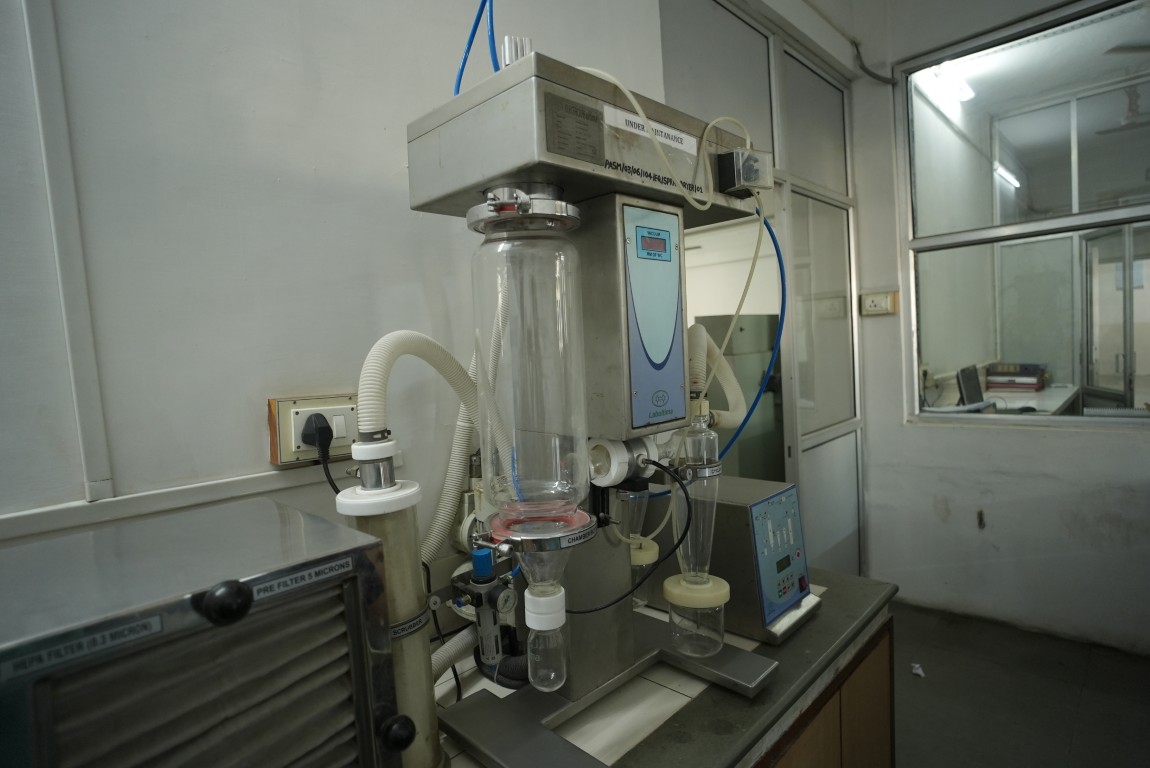
Central Instrumentation Lab
Houses high-end analytical instruments supporting multidisciplinary scientific research.
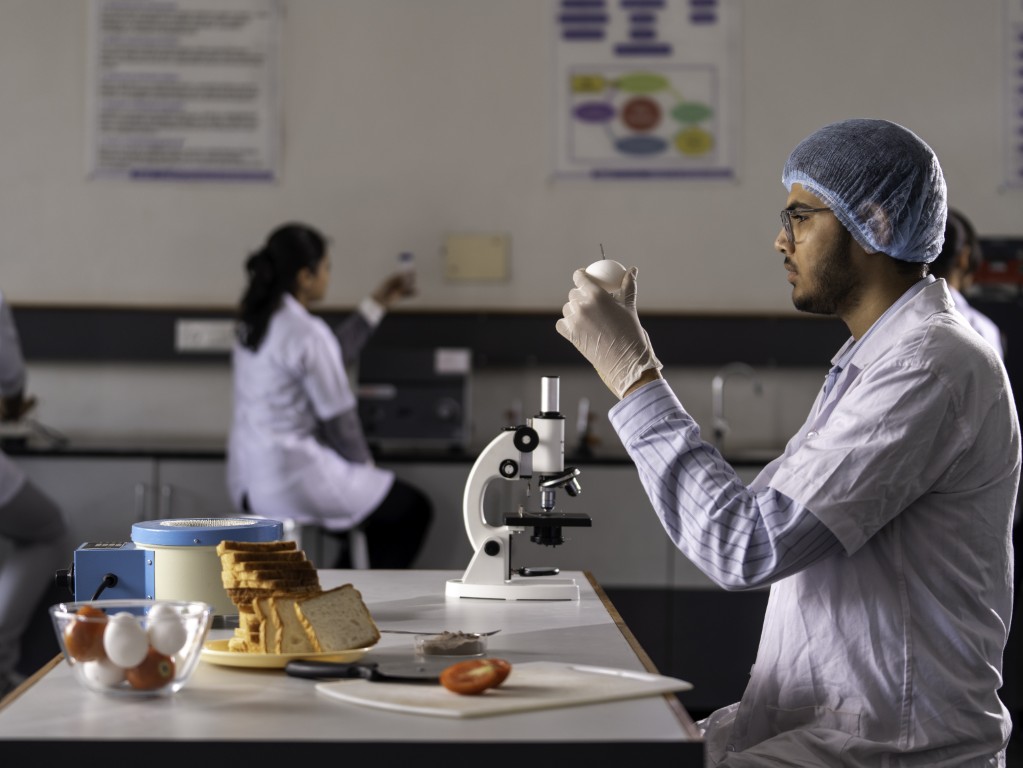
Food Technology Lab
Focuses on research and innovation in food processing, safety, and quality assurance.
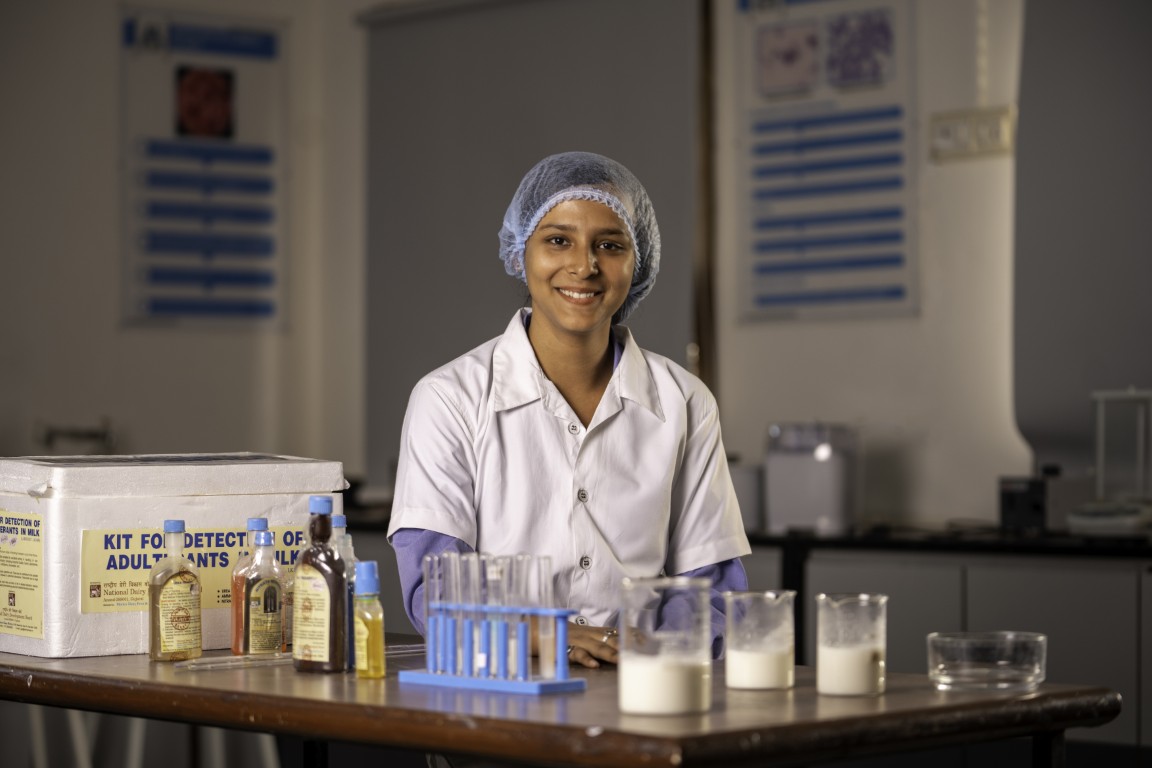
Dairy Technology Lab
Equips students with knowledge in dairy processing, preservation, and product development.
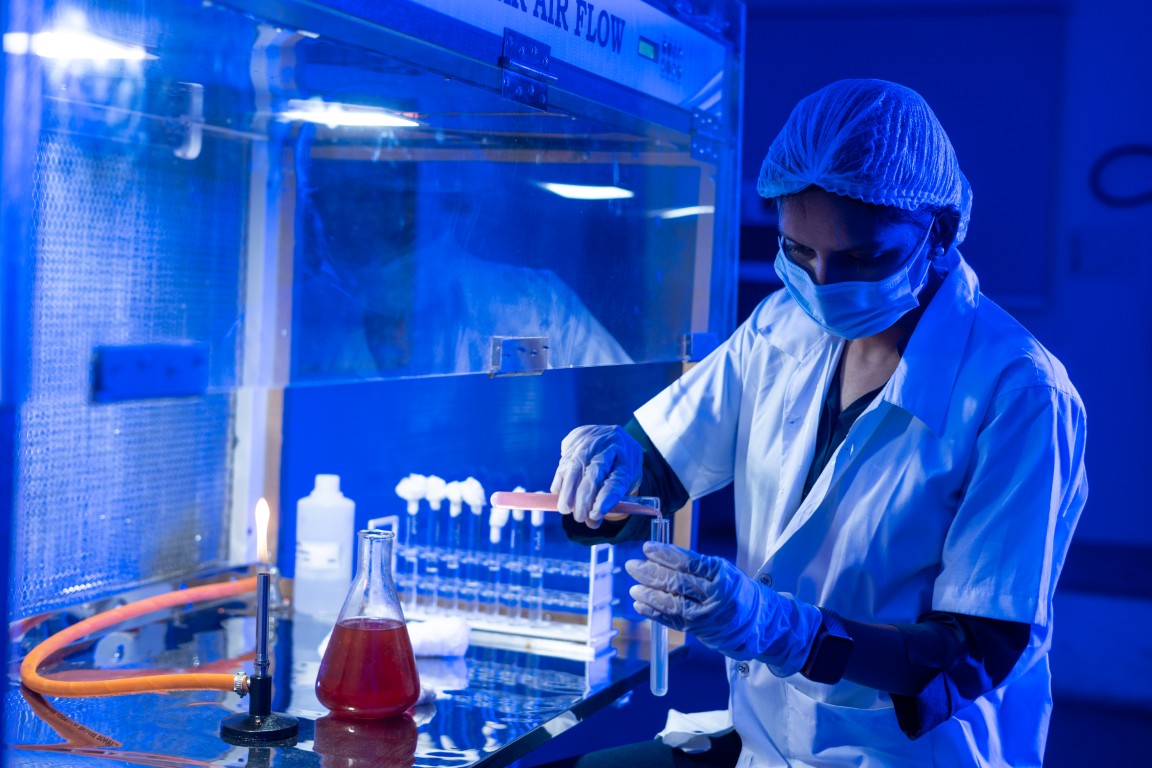
Microbiology Lab
Facilitates hands-on learning in microbial cultivation, identification, and biotechnological applications.
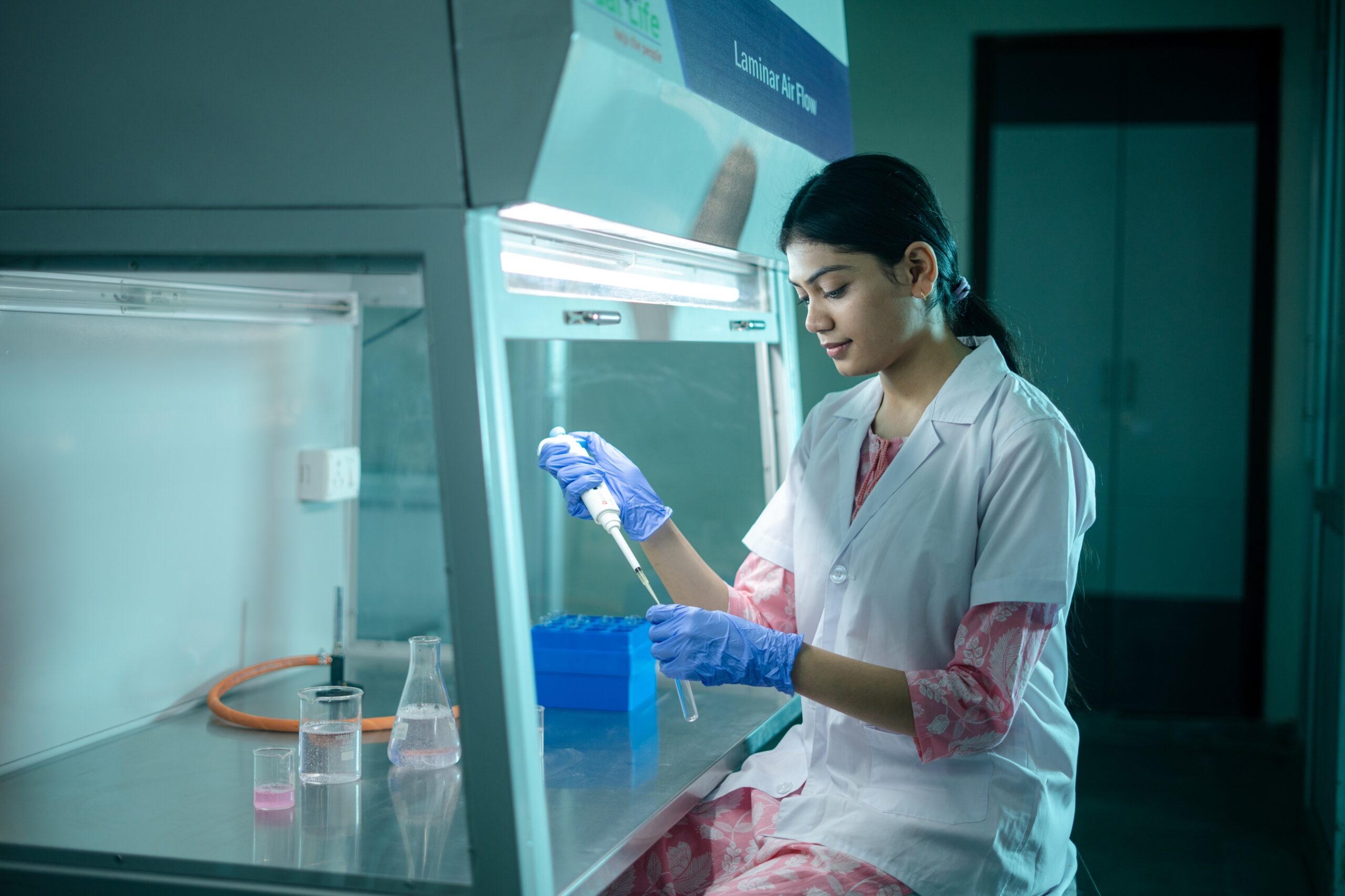
Biotechnology Lab
Encourages exploration in genetic engineering, molecular biology, and industrial biotech.
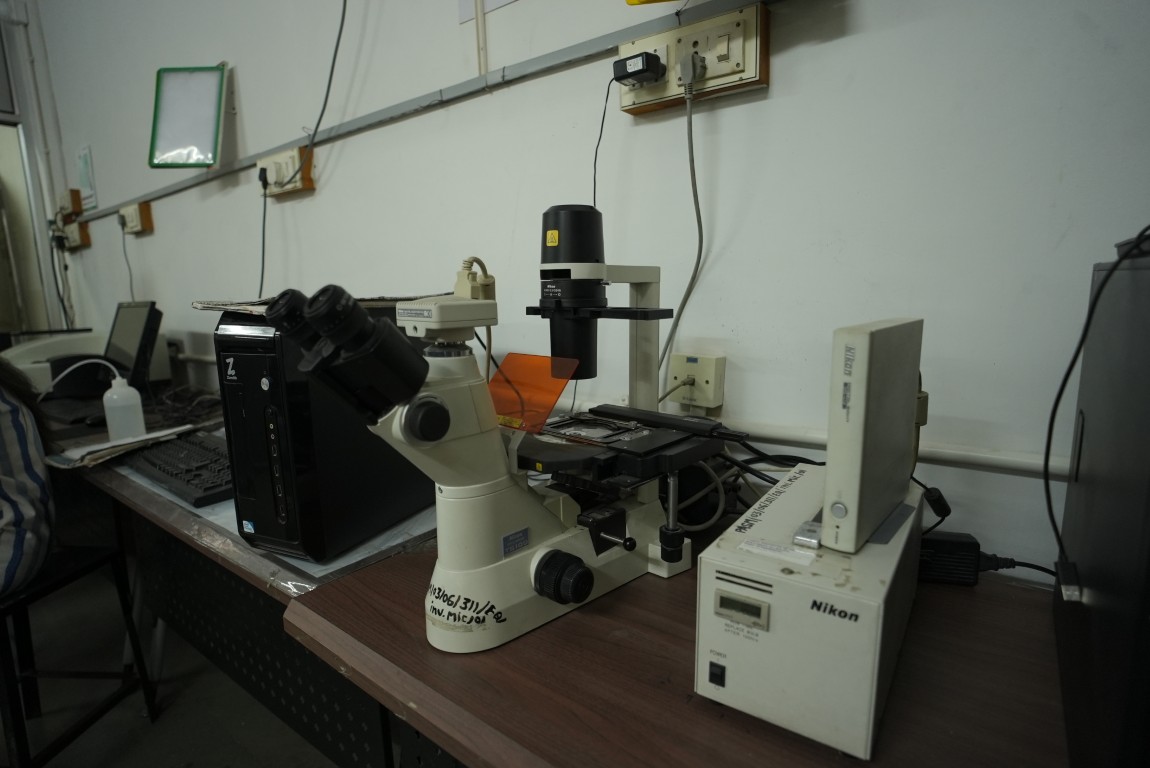
Molecular Biology Lab
Dedicated to DNA and protein research for biotechnological and medical advancements.
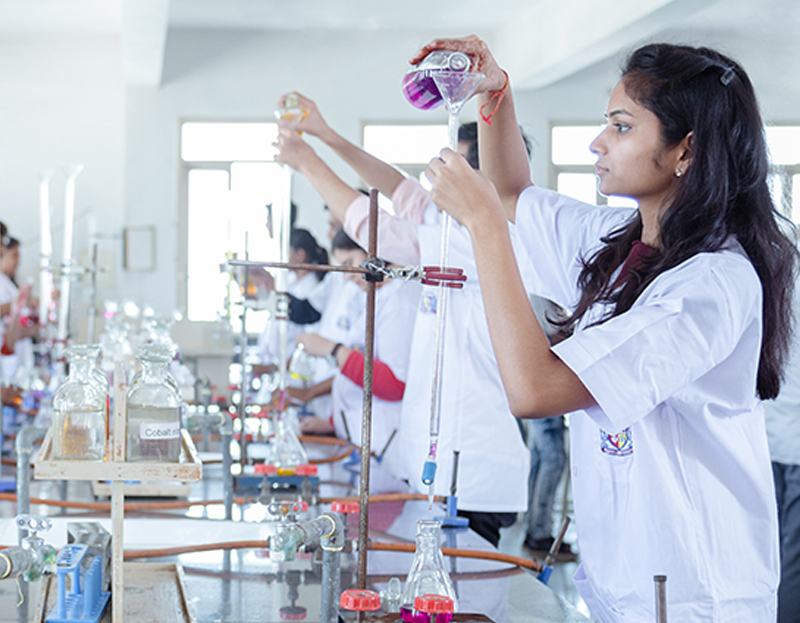
Chemical and Industrial Chemistry Lab
Supports experimentation in synthesis, analysis, and process chemistry.
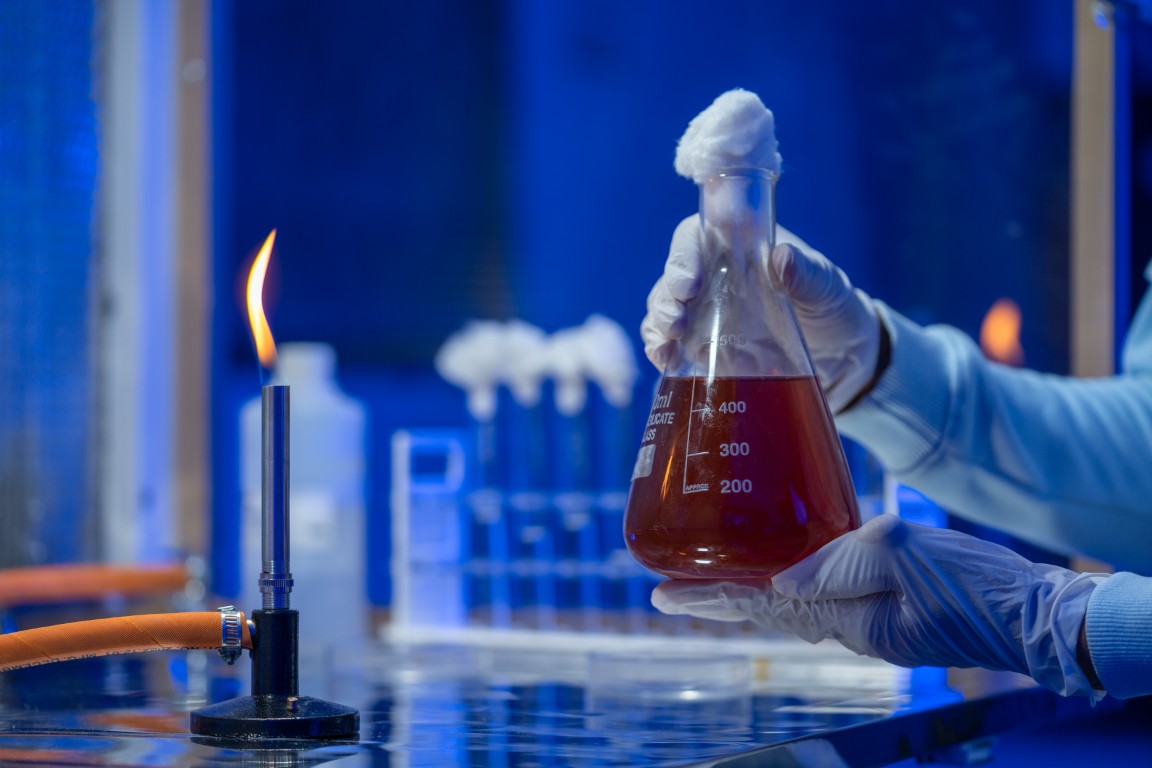
Geology Lab
Provides resources for studying earth materials, mineralogy, and geological mapping.
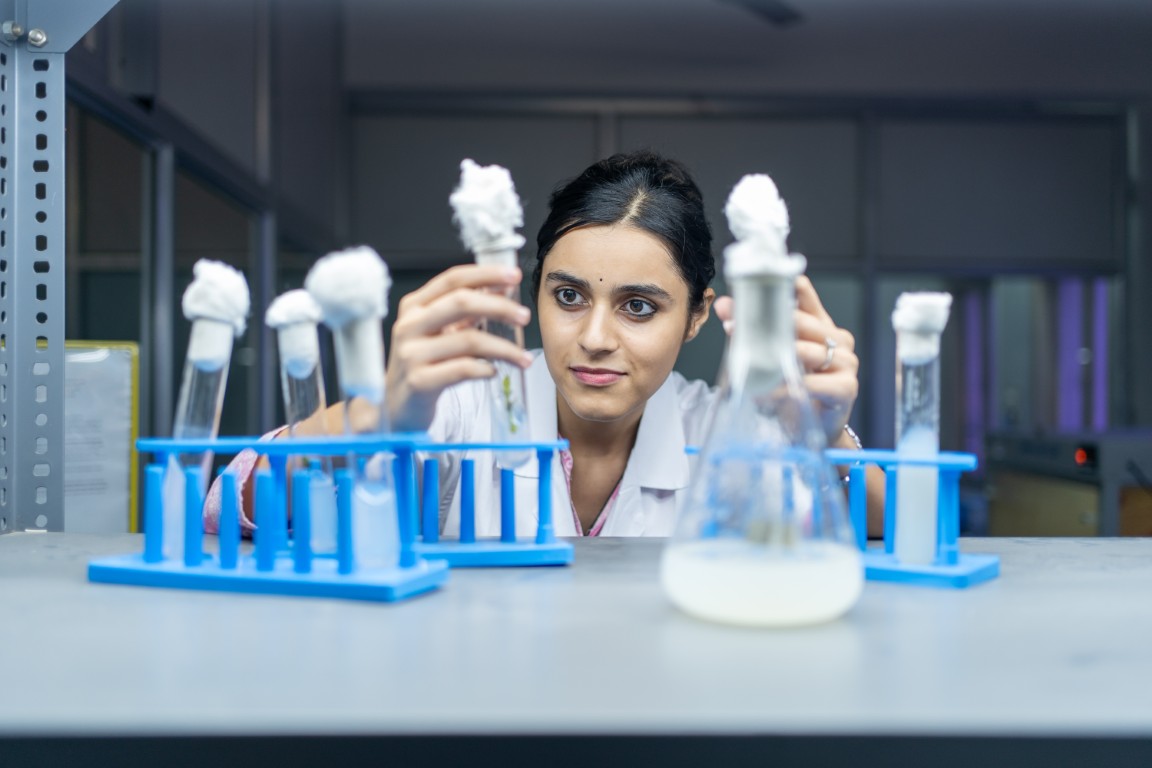
Soil & Science Lab
Enables practical analysis of soil composition for environmental and agricultural research.
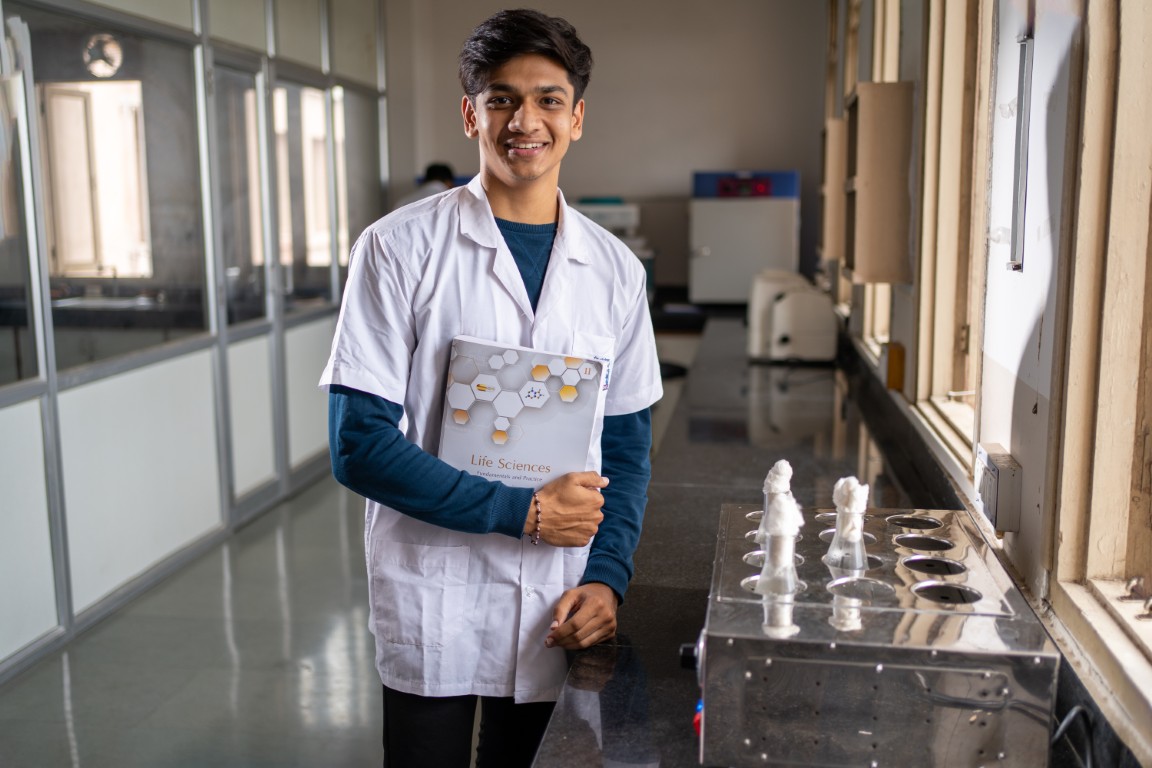
Environmental Science Lab
Focuses on environmental testing, pollution analysis, and sustainability projects.
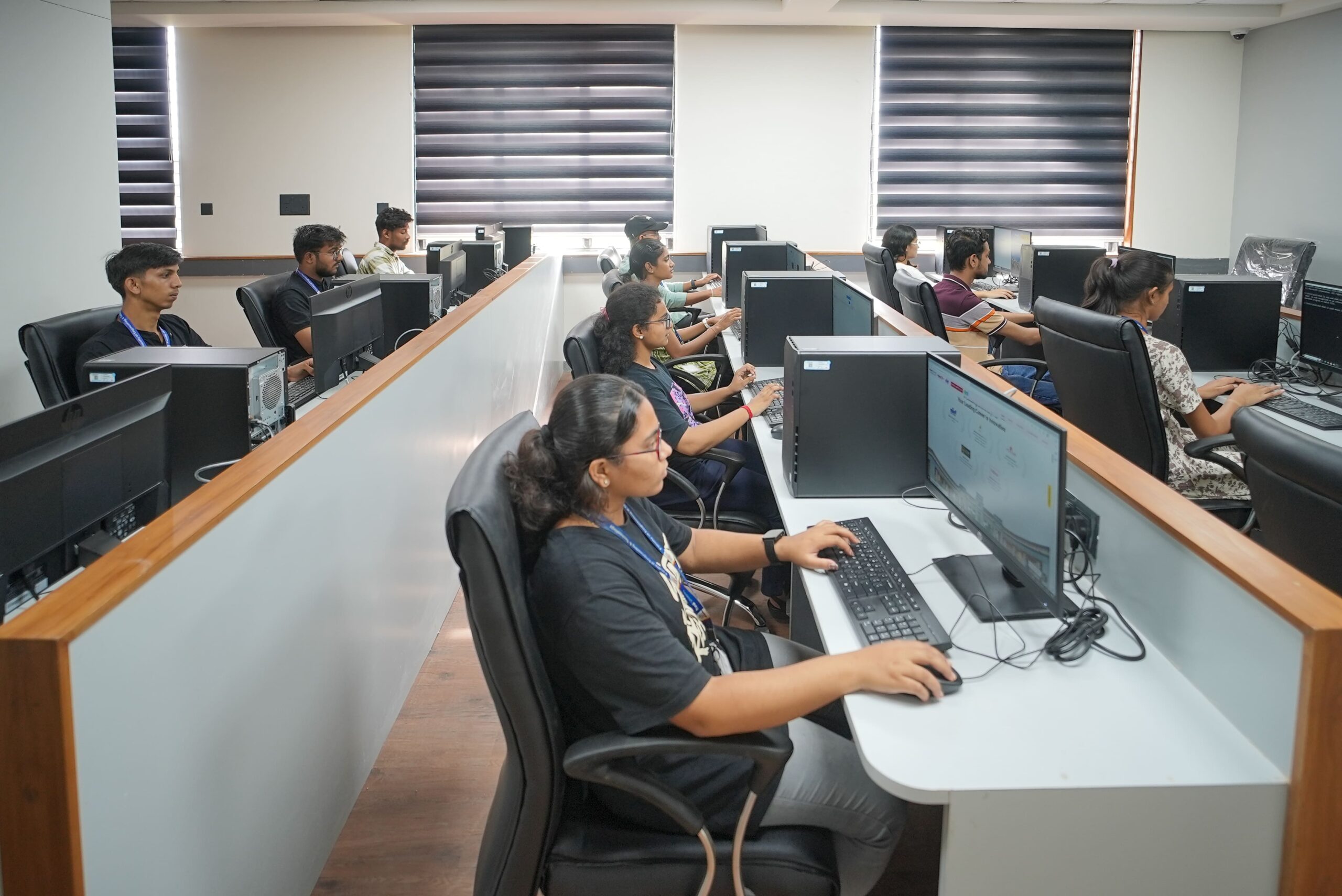
Computer Lab
Facilitates computational data analysis, simulations, and research in applied sciences.

Forensic Science Lab
Provides real-world training in evidence analysis and criminal investigation techniques.
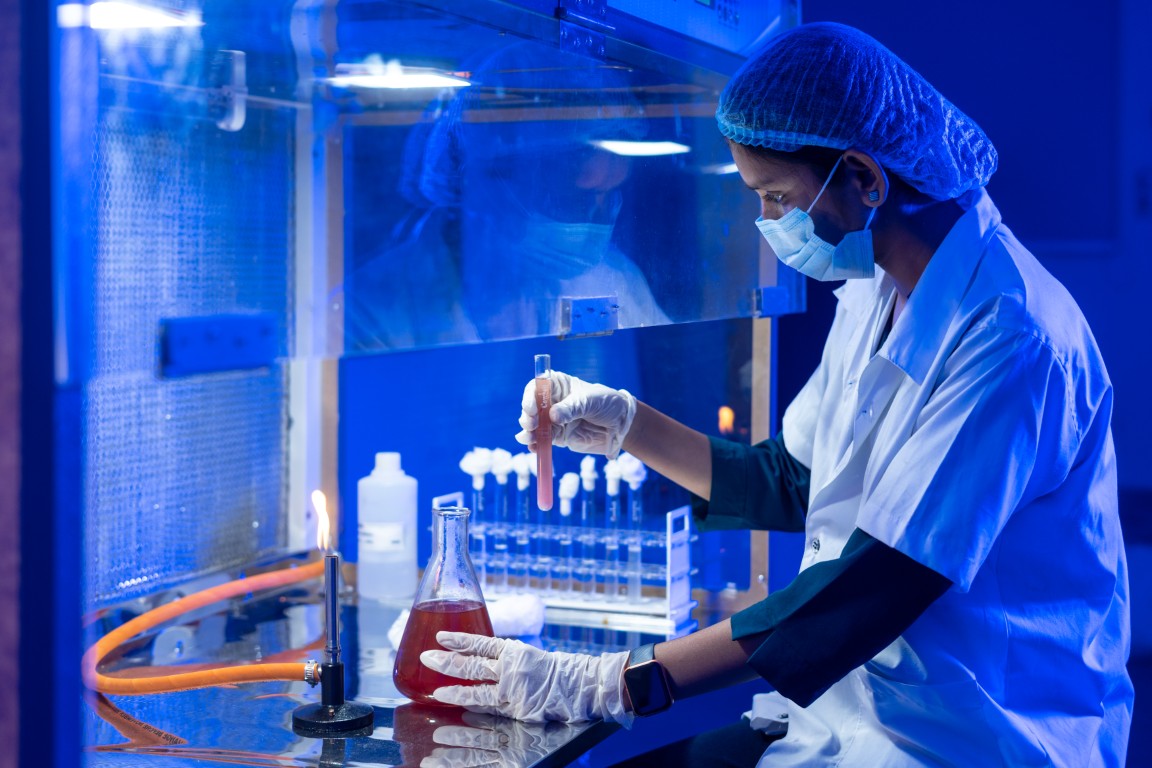
Animal and Plant Tissue Culture Lab
Supports advanced cell culture research in plant and animal biotechnology.
Scholarships & funding
Financing and supporting your education
Get information on the various scholarships, grants, and student loans you can avail to fund your dream education.

Meritorious scholarships
Recognising academic excellence by providing scholarship opportunities to those who exceptionally pass board and entrance exams
Know more


Sports scholarships
Recognising athletic excellence by providing scholarship opportunities to those who have achieved distinction in sports at State, National, or International levels.
Know more

Alumni scholarships
Fostering lifelong connections by providing scholarship opportunities to the wards of PU alumni to continue the legacy of excellence.
Know more

Defense scholarships
Honoring the families of defense service persons by providing scholarship opportunities to their wards to study at PU
Know more

Stay up to date with Biotech Breakthroughs
Dr Sanjiv Kumar Mishra of Sea Pearl Biotech Delivers Industry Session at MNRDC Parul University on Blue-Green Innovation in Algal Manufacturing for Health, Nutrition, and Sustainability: From Spirulina’s Resource Efficiency Advantage at 10 Times Less Land Water and Energy Through the Global Market at 65,000 Tonnes Annual Production and 5 Billion Dollar Five-Year Projection to India’s 2,000 Tonne Position, Sea Pearl Biotech’s Pond-to-Powder Turnkey Approach, and Emerging Spirulina Applications Across Anganwadis, Indian Poultry, and Hydroponics
Dr Sanjiv Kumar Mishra, the Director of Sea Pearl Biotech, attended a 3-day workshop on Microbial Cell Factories at MNRDC, Parul University. As held on 13th June 2026, he spoke on Spirulina’s nutritional & resource-based profile, how the global market is positioned at 65,000 tonnes, and Sea Pearl Biotech’s pond-to-powder approach and applications.
Meet Dr Puja Sandhbor from Tata Memorial Centre ACTREC, she visited MNRDC at Parul University for delivering an expert session on Emerging Applications of Nanomedicine and Biopolymers in Precision Cancer Challenge of Tumor Heterogeneity & ABC Transporter Drug. She even explained 2 success stories.
Meet Dr Puja Sandhbor from Tata Memorial Centre ACTREC, she visited MNRDC at Parul University for a 3-day workshop on Microbial Cell Factories. On the 2nd Day, the session covered how nanomedicine and biopolymers in precision cancer therapy works at all levels. Read the entire coverage on liposomal DOXIL, mRNA COVID vaccines, glioblastoma research, biopolymeric hydrogels, and translation pipeline of bench to bed!
MNRDC of Parul University takes a sheer pride in hosting a workshop on Microalgae Cultivation. 3 days of non-stop hands-on experiential learning with BG-11 media preparation, chlorella vulgaris, chlorella minutissima cultivation via autotrophic heterotrophic and mixotrophic modes and the research list is endless.
Read ahead a detailed coverage on how a 3-day workshop on Microalgae Cultivation went. As exclusively hosted by MNRDC of Parul University on 11th to 13th June 2026, Dr Anwesha explained to students via BG-11 media preparation, chlorella vulgaris and chlorella minutissima cultivation across all the modes.
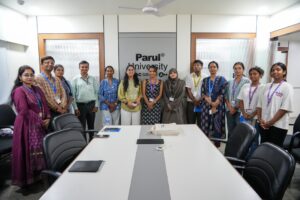
MIC Antimicrobial Assay Workshop was hosted by the MNRDC of Parul University and PIAS -during 3 constant days of hands-on testing, experimenting and gaining new knowledge. From 96-well plate two-fold serial dilution, Mueller-Hinton broth preparation, UV-Vis spectrophotometric analysis to the percentage of inhibition calculation, read ahead for the full coverage!
MIC (Minimum Inhibitory Concentration) Antimicrobial Assay Workshop at MNRDC Parul University, 11-13 June 2026: Dr Juhi Saxena led students through Mueller Hinton broth preparation, 96-well plate two-fold serial dilution from 32 to 0.0625 micrograms per ml of Cefixime and Azithromycin, inoculation with E. coli and S. aureus, 18-24 hour incubation at 37 degrees Celsius, UV-Vis spectrophotometric OD measurement, and percentage inhibition calculation.
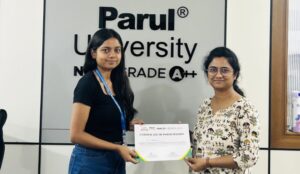
How the Five MNRDC Research-Cadre Faculty Turned a Single Day Into Working Instrument Training for Seventeen Students: Inside the Three Rotating Hands-On Stations on SEM Micrography of Microbial Cells, Microalgae Cultivation, UV-FTIR Spectroscopy, Atomic Force Microscopy, and Sputtering at Parul University’s Micro-Nano
After morning sessions on microbial bioactives and engineered biofactories, the MNRDC research cadre (Drs. Mahendra Singh Rathore, Vishal Mehta, Meenu Khan, Anwesha Khanra, and Mohit Tannarana) ran three afternoon stations on SEM, microalgae, UV-FTIR, AFM, and sputtering.
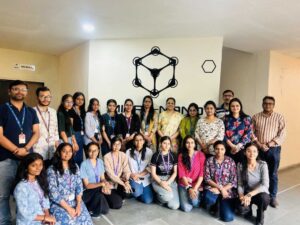
17 students of Parul University attended a 1-day exclusive workshop on Microbial Cells as Green Bio-foundries by Parul University’s MNRDC. They explored Immunomodulatory bioactive, engineered biofactory strain design, and hands-on SEM, UV-FTIR, AFM, algae cultivation, and sputtering stations!
MNRDC of Parul University hosted an exclusive 1-day workshop on Microbial cells as Green Bio-foundries for therapeutics & environmental remediation. This exclusive workshop was hosted on 11th April 2026 with guest speakers Dr Anupan Jyoti & Dr Gunjan Sharma.
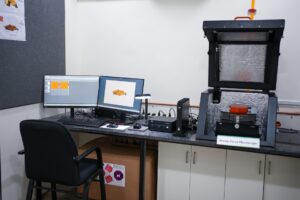
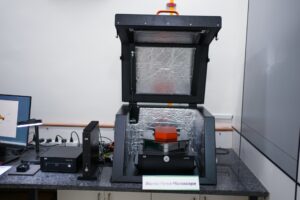
What an AFM Report From MNRDC of Parul University Actually Contains: MountainsSPIP Software, 50+ ISO Roughness Parameters, Grain Size Histograms, and How to Interpret the Excel Output for Coatings, Pharma, and Electronics Research
Nanosurf Core AFM at MNRDC, 145+ samples analysed. Standard deliverables: 2D topography image, 3D surface image, Excel sheet with 50+ ISO S-parameter roughness values, roughness graph. MountainsSPIP commercial license for professional image analysis and grain size histograms. Tapping (dynamic) mode primary. 10 x 10 micrometre scan area, 256-line resolution, 0.78 seconds per line. No powder samples directly; powders must be compacted into flat tablets.
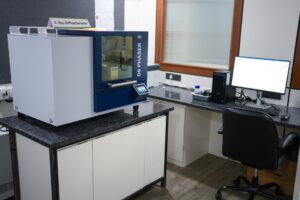
XRR for Thin Film Thickness, GIXRD for Surface Coatings, TOPAS for Quantitative Phase Analysis, and Origin for Publication-Ready Graphs: Advanced XRD Capabilities at MNRDC, Parul University
Bruker D6 PHASER at MNRDC: standard XRD (phase ID, Bragg’s Law, 10-80 degree range) plus four advanced capabilities. XRR measures thin film thickness (1-500 nm), roughness, and density. GIXRD analyses surface coatings without substrate interference. TOPAS performs Rietveld refinement for quantitative multi-phase analysis. Origin generates publication-ready graphs. 600+ samples analysed. ICDD PDF-4 database for material fingerprinting.
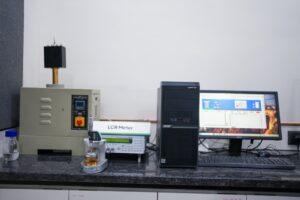
Measuring How Materials Store, Resist, and Respond to Electrical Energy: The LCR Meter at MNRDC, Parul University That Tests From 1 mHz to 5 MHz and From Room Temperature to 1200C
LCR Meter ZM2376 at MNRDC of Parul University. Backed by NF Corporation Japan, 12.86 Lakhs. It analyses and measures resistance, capacitance, inductance, impedance, quality factor and dissipation factor from 1 MHz to 5MHz. The furnace testing to 1200 C; 61 samples were tested and analyzed, and the usage of ceramics, polymers, composites and battery materials!
How MNRDC of Parul University Operates: The Queue System, 10-Day Standard Turnaround, 1-Day Urgent Option, 99.9% Uptime Record, M-19 Backup Facility, and What Gets Samples Rejected
MNRDC operations: first-come, first-served queue (no internal priority). Standard turnaround: 10 working days. Urgent: 1 day (additional charges, reduced output: 4 SEM images instead of 8). 99.9% instrument uptime. Annual manufacturer-recommended calibration. Backup at M-19 Labs Vadodara if instrument down. The rejection of samples is projected at approximately once per fortnight due to size, non-compliance, unsuitable for results or contamination. Besides this, samples containing explosive, radioactive, or highly corrosive materials aren’t accepted at all. Read ahead for the full coverage!
Gujarat Industrial Policy 2020, Rs 1.49 Crore Equipment Grant, Rs 1.17 Crore Center of Excellence: How State Government Funding Built MNRDC at Parul University and What the Investment Has Produced
MNRDC funding – Rs 1.49 crore from the Industries Commissionerate, Government of Gujarat under GIP 2020, Scheme for Assistance for R&D Activities for equipment. A second grant of Rs 1.17 Crore was granted for the Centre of Excellence in Advanced Manufacturing. Summing up as 2.66 Cr were granted by the same authority. Timeline goes like – approval in 2023, became operational from September 2024, inauguration on 5th March 2025. Holistic output – 12 instruments, 1800 samples, 14 publications, 3 funded projects in sync with ISRO, CSIR, Royal Academy UK and collaboration with IIT Ropar. Besides this, 2 international partners were onboarded, and 113 were trained!
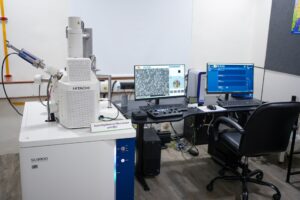
Why Researchers Prefer Centralised Testing Labs Over Fragmented Facilities: How One Roof for SEM, XRD, AFM, Sputtering, and Thermal Analysis Cuts Three Months to Ten Days Right at MNRDC, Parul University!
Before MNRDC (pre-September 2024): Gujarat researchers sent samples to Mumbai, Pune, or multiple labs across the state. Turnaround: up to 3 months. Coordination: manual, across multiple contacts, invoices, and timelines. After MNRDC: SEM + XRD + AFM + sputtering + tribometry + LCR + DSC/STA + CNC under one roof. Turnaround: 10 days standard, 1 day urgent. Deposit a film on Auto 500, characterise on SEM/XRD/AFM, test wear on tribometer, measure dielectric on LCR: all without leaving the building.
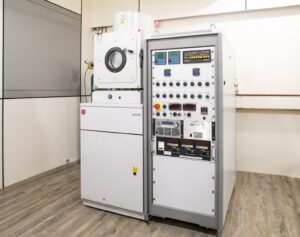
Lab Safety at MNRDC, Parul University: Restricted Access, XRD Radiation Shielding, Standard Operating Procedures, Waste Protocol, and Ethical Boundaries
MNRDC safety framework: dust-proof laboratory environment, restricted access (authorised personnel only), mandatory PPE (gloves) during sample handling and instrument operation. SOPs documented for all major instruments. XRD fully enclosed and shielded: X-ray generation physically impossible with the door open (hard-wired safety, not software-dependent). No radioactive, explosive, or highly corrosive samples accepted. No human or animal testing. All samples returned to users after testing. Zero chemical waste accumulation.
Beyond Machines: How MNRDC of Parul University Supports Proposal Writing, Experimental Design, Method Development, and Has Trained 113 Researchers in Hands-On Instrument Workshops
MNRDC services beyond testing: technical consultancy for experimental design, method development guidance, research proposal preparation support, and interpretation-heavy analytical reports. 113 people trained across instrument-specific workshops (1-day demonstrations, 2-3 day hands-on training). Participants include Master’s students and faculty. Center established under Gujarat Industrial Policy 2020 with Rs 1.49 Cr equipment grant from Industries Commissionerate, Government of Gujarat.
International Researchers Visiting Gujarat, Parul University
120+ international partners visited the MNRDC of Parul University. University of Surrey, UK, Penza State University, Russia, and many other universities from the USA, NZ, Australia, Canada, Europe, and Asia

