Here is how you can study this program

Certificate Program in Cloud Computing (AWS Certification)
The Certificate program for cloud computing introduces students to the structure and how cloud systems are utilized today. It introduces students to the storage, security, deployment, and operational models that are offered by cloud providers. The program is designed to give students an overall understanding of how data is processed and handled in the cloud so that they can implement modern technology in an effective manner.
Secure your place
Batch Commencing
8th July Onwards
Duration
3 months
Credits
180
Seats
60
Fee
7,000/-
Language
English
Eligibility Criteria
Students who have passed 10th / 12th or equivalent are eligible to undergo the course. Also students who have studied or are studying ITI / Diploma Engineering / Degree Engineering, BCA, MCA will be best benefited by undergoing the program.
*Tuition Fees may vary depending on the Country/State in which the candidate has passed their qualifying examination.
Why study this program
Be a part of an engaging learning atmosphere that gives you the tools to excel in the career of your choice.
Future-Focused
Cloud technology drives the digital world, making cloud literacy essential across industries.
Strong Foundations
Students gain a clear understanding of cloud models, storage, networking, and security principles.
Scalable Thinking
Learn how systems grow, adapt, and function efficiently in cloud environments.
Industry Alignment
The curriculum reflects the concepts used in modern organisations and digital infrastructures.
Versatile Pathways
Opportunities extend into architecture, administration, consulting, and technology management.

Program Highlights

Cloud Models

Virtualization Basics

Storage Systems

Cloud Security

Scalability Concepts

Service Management

Stay up to date with Cloud Computing Trend
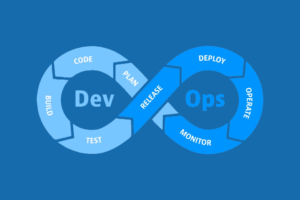
DevSecOps Explanation: Security At Every Level of DevOps
DevSecOps explanation and building security, which often gets skipped under tight deadlines. Building security is required from step one of the DevOps Pipeline. The article focuses on why security should not be an afterthought and the core practices that keep modern software safe.


What Is Observability? Logs, Metrics, Traces, and Why It Matters
Building software and shipping it is not the finish line; it is still half done. How it works once it is live is known as observability. This article attempts to explain observability, how to do it, what it means, how it is different from monitoring, the three pillars (logs, metrics, and traces), and how to find issues that can save money in real systems.
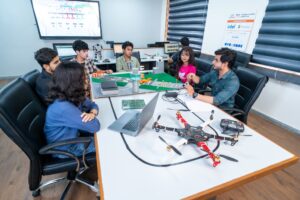
Guide For Students: How To Contribute To Open Source
To learn how to contribute to open source, one should know how it happens. This article is a guide for that. Open source powers the modern software world; students will get to learn how to build it and get visibility before they graduate. In the tech session, Parul University also talked about the open source world, including the ways in which writing code is not required.
DevOps on AWS: The Core Toolchain Explained
This article gives you a guide on AWS and how it offers a service for almost every stage of the DevOps lifecycle, and it is powerful & confusing in equal measure. This article also covers CI/CD and infrastructure as code for compute, monitoring, security, and cost, so you can see how the pieces fit together.

How to Become a DevOps Engineer: A Beginner’s Roadmap
Cloud and DevOps can feel overwhelming because there are so many tools. The advice from industry experts at a Parul University session was refreshingly simple: clear your basics first, and learn in the right order. Here is the beginner’s roadmap they recommended, plus honest answers on careers, certifications, and AI.
What Is Cloud Native? CNCF, Containers and Kubernetes, Guide For Beginners
Cloud computing is different from cloud platforms like AWS, which is usually confused with it. Cloud computing goes beyond; it is specifically planned for building a structured, scalable, resilient way with microservices, containers, orchestration and automated pipelines. This guide, drawn from a Parul University cloud-native session, explains what cloud native really is, and why it matters.

Inside Parul University’s AWS Cloud Lab at Lakshya 2047: Hands-On Training with EC2, S3, Lambda & IAM
The AWS Cloud Computing Lab inside Parul University’s Lakshya 2047 Centre provides 39 stations with AWS Academy portal access, hands-on EC2, S3, Lambda, and IAM training, and AWS Academy certifications that prepare students for Cloud Engineer and DevOps Engineer roles.


