Transforming education, or just digitising it?
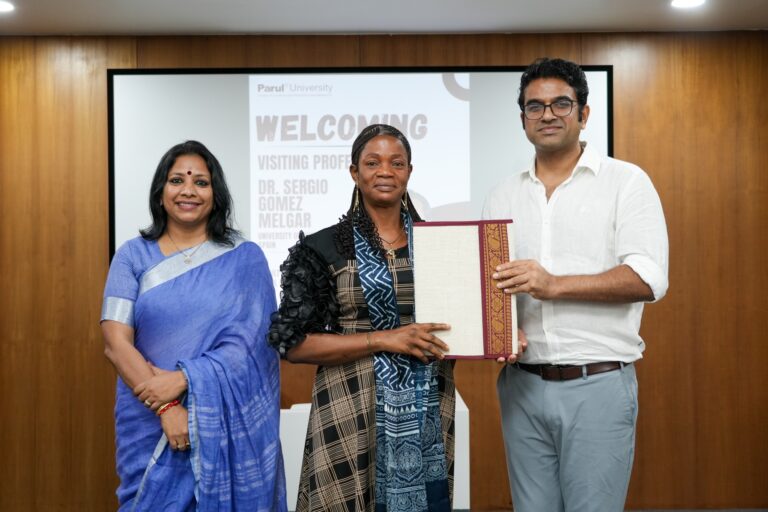
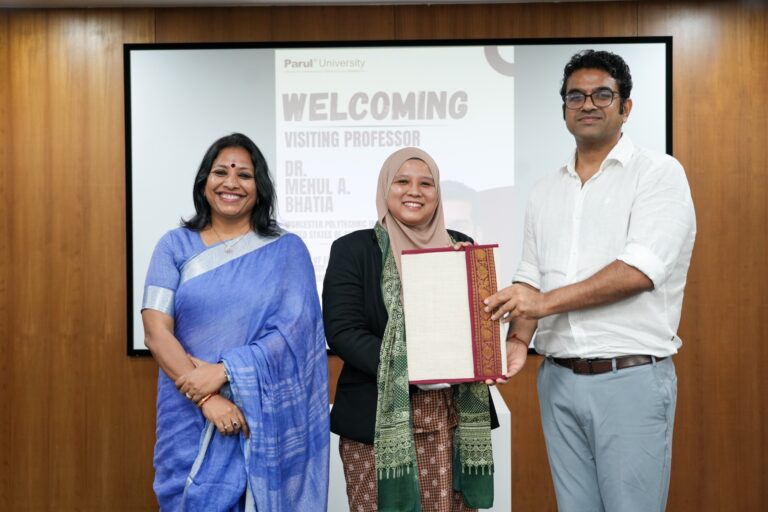
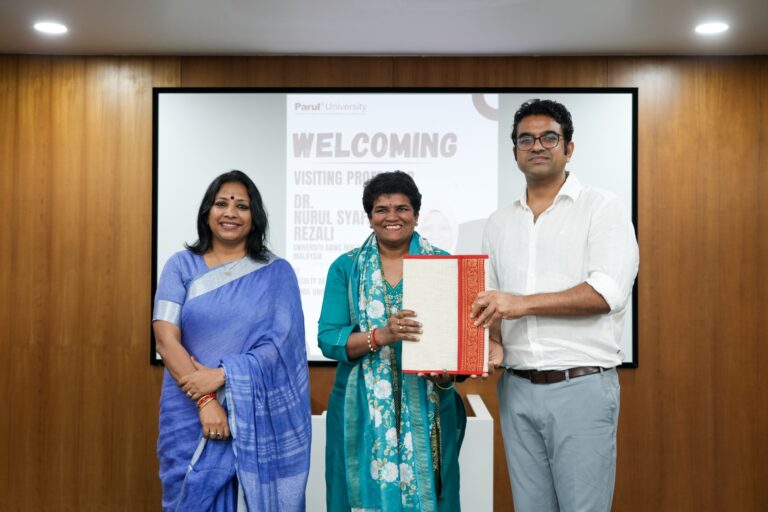
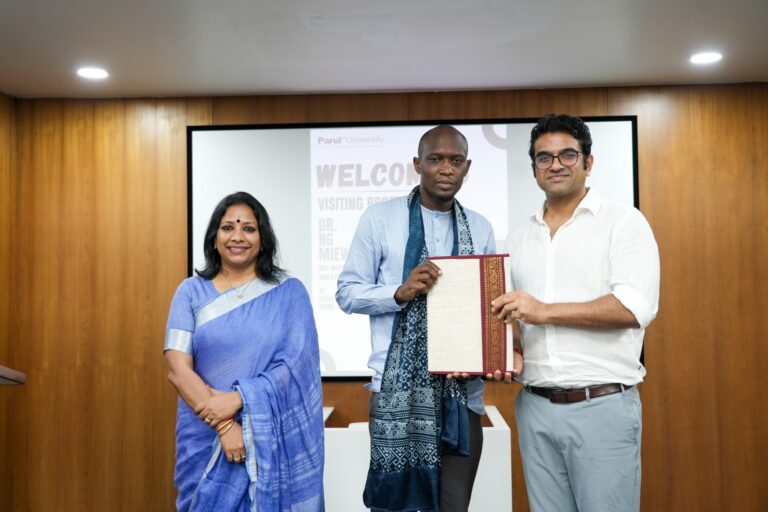
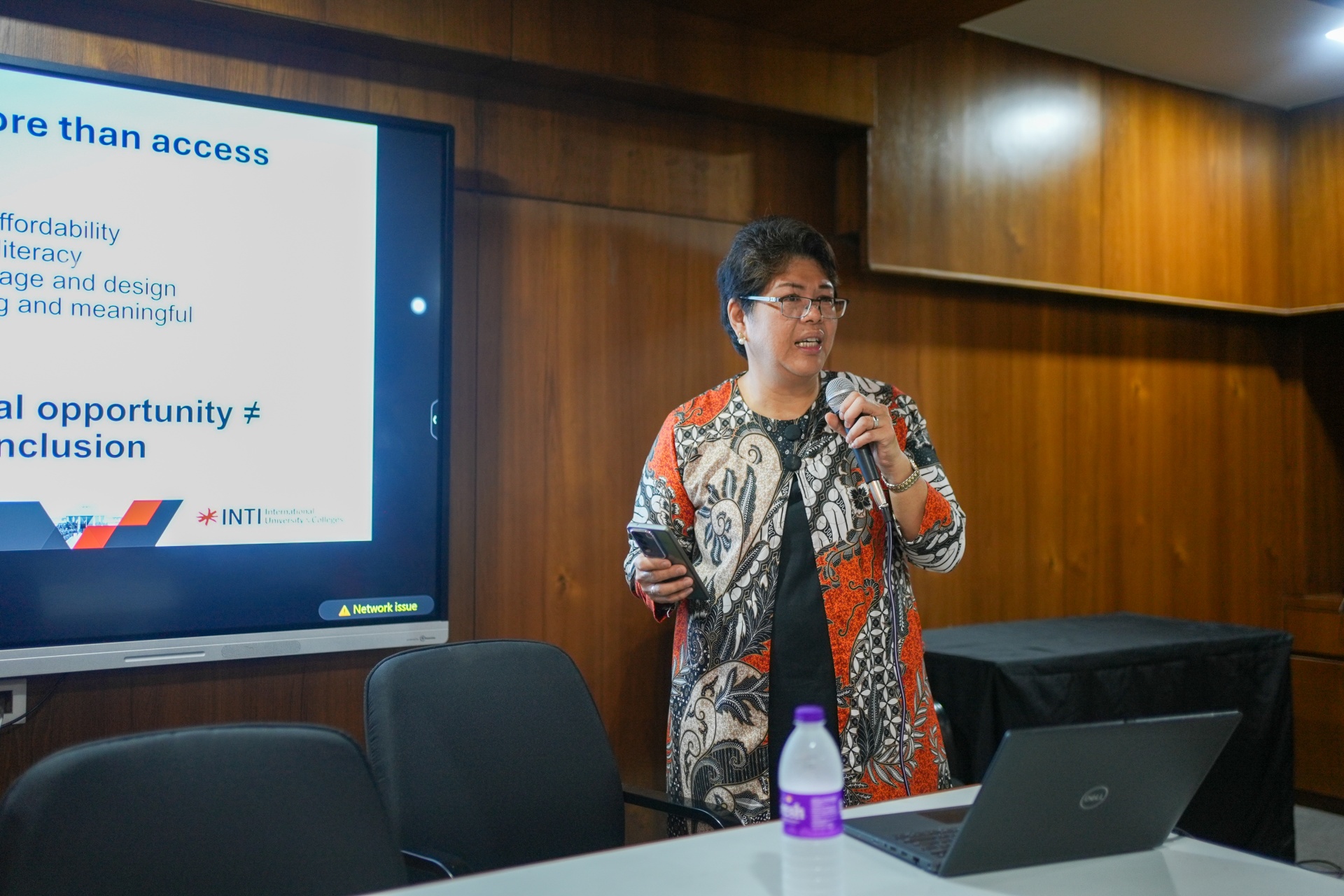
Dr. NG Miew Luan of INTI International University, Malaysia, taught at Parul University’s Faculty of Liberal Arts under the Centre for International Relations and Research (CIRR) Visiting Professor Program, leading an International Faculty Development Programme on education in the AI era. Her opening question was pointed: are institutions truly transforming education, or merely placing old teaching methods on new digital platforms? Using AI simply to generate more content faster, she argued, is not innovation. She offered four principles for sustainable transformation, that technology should make teaching and learning more human, inclusive, ethical and meaningful, and the guiding rule of human before technology: identify the learning goal and the human need first, then evaluate whether a tool actually deepens learning.
Inclusion beyond access
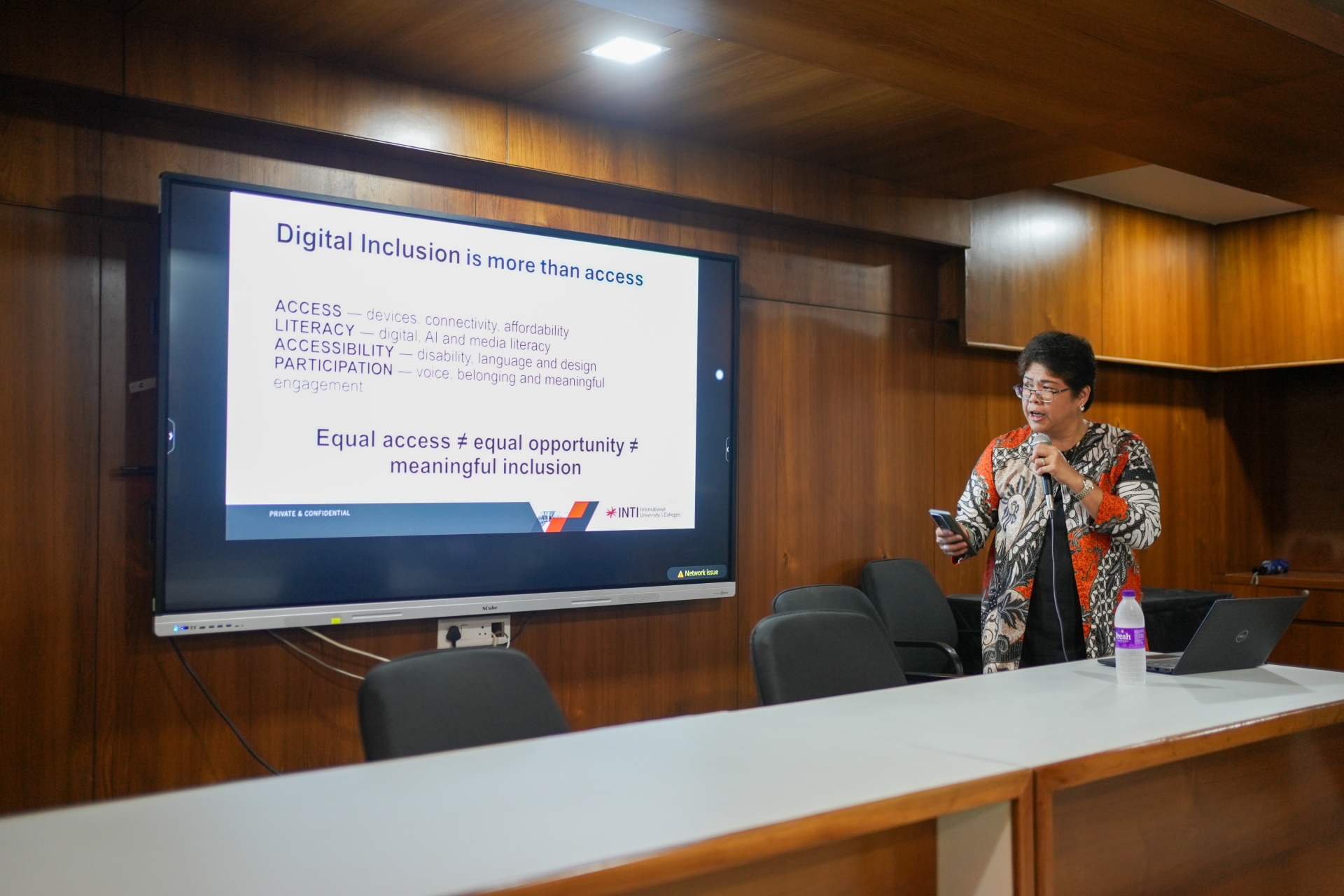
Today with AI many good things are coming up but there certain unexpected effects too. Dr. NG shared how educators shall include the digital portion. As AI has advantages but risks are there. She said the new education should have digital inclusion with access to devices and connectivity. Adding to it, she said it shall have critical literacy, language, accessibility and meaningful participation. She discussed about her research with the deaf community in Malaysia. She put out her argument that giving everyone the same technology does not by itself create an inclusive environment. She urged the faculty to create technology with these communities rather than for them.
She also discussed the leadership abilities educators need to drive change, including the capacity to navigate institutional (not partisan) dynamics, relationships, interests, power and trust, with ethical clarity, so that good ideas translate into real institutional change.
AI Literacy With Its Critical Portion
There is a critical portion of AI that should be studied. Dr. NG put out critical literacy before AI literacy. Teaching students to question AI, instead of using it to find answers. One should ask what facts support the answers, and whose perspective is missing. She differentiated the AI assistance; it substitutes students’ thinking. As they are getting help from the AI tools. She said that educational institutions must promote AI literacy. Students shall know how to use AI in a way that their thoughts and thinking are not getting replaced. Also these tools should support local languages, as using AI in an ethical manner is fine. And require that AI use is clearly disclosed on the syllabus and on assignments.
An ethical traffic light, and well-being
In the light of AI, it is necessary to know what is right and what is not. Dr. NG offered an AI traffic-light approach. That is green for the parts where AI is used for learning, brainstorming, and feedback. Yellow for when the information asked from AI must be declared transparently, and red for the AI thinking on its own and not allowing students or users to use their own thinking.
In closing, she said that well-being and sustainable education is important today. This well-being is related to physical and mental health. Giving a reminder to faculty that not every project or learning needs to be faster or fully online. Education should be slow, allowing students to learn, think, and research. Connect and reflect. Keeping the distinctly human elements of teaching human.