Delhi Leadership Tour - Build Your Career in Journalism with India’s Leading Anchors & Editors!
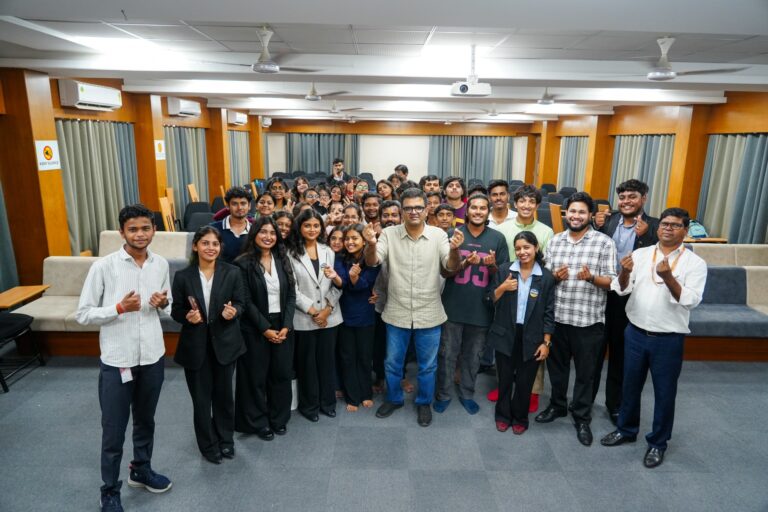
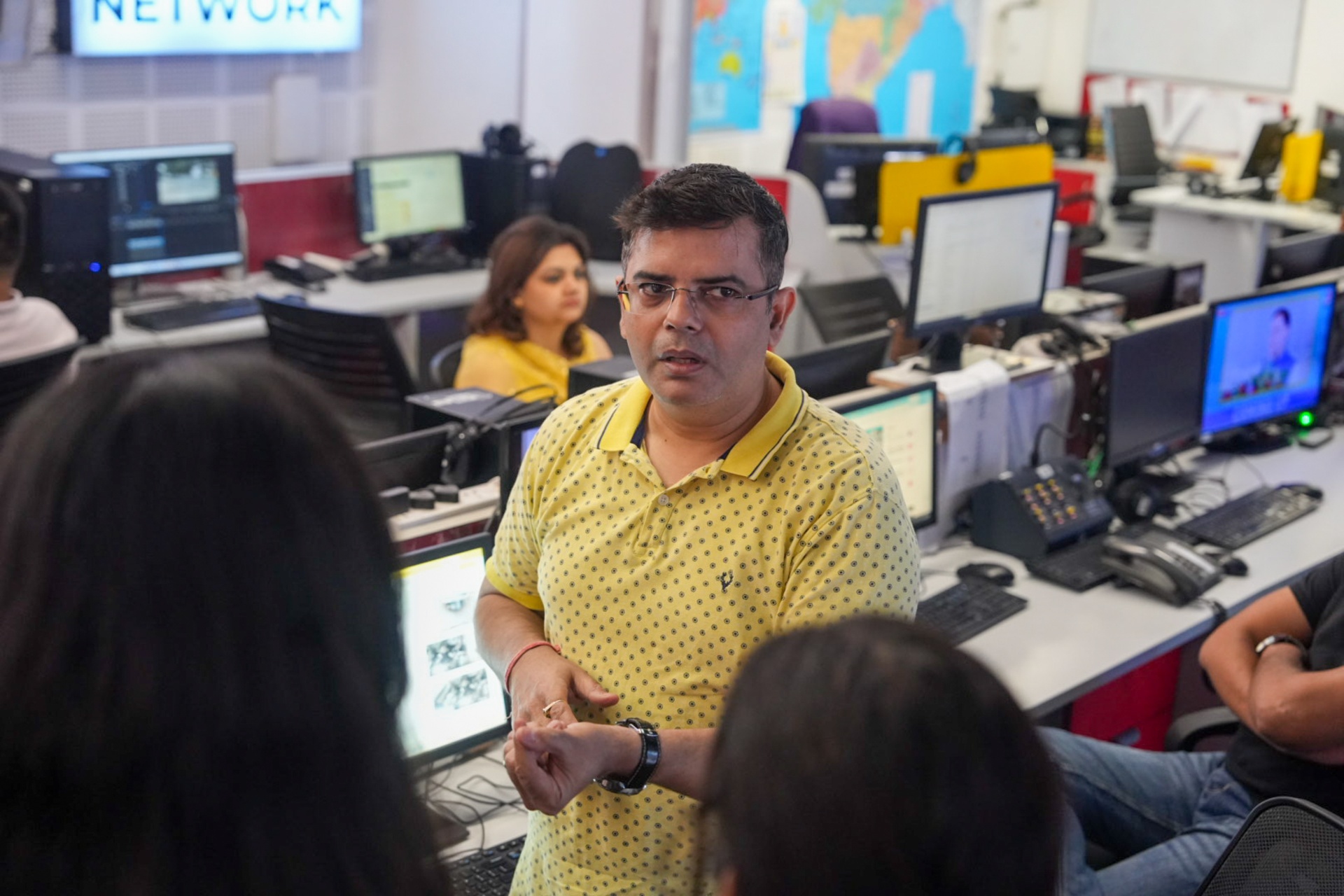
Over six days across India’s biggest newsrooms, Parul University journalism students put the same question to some of the country’s most respected anchors and editors: how do you actually build a career in this profession? The answers, remarkably consistent across very different journalists, add up to a genuine roadmap. Here is what they said.
Find Your Niche First!
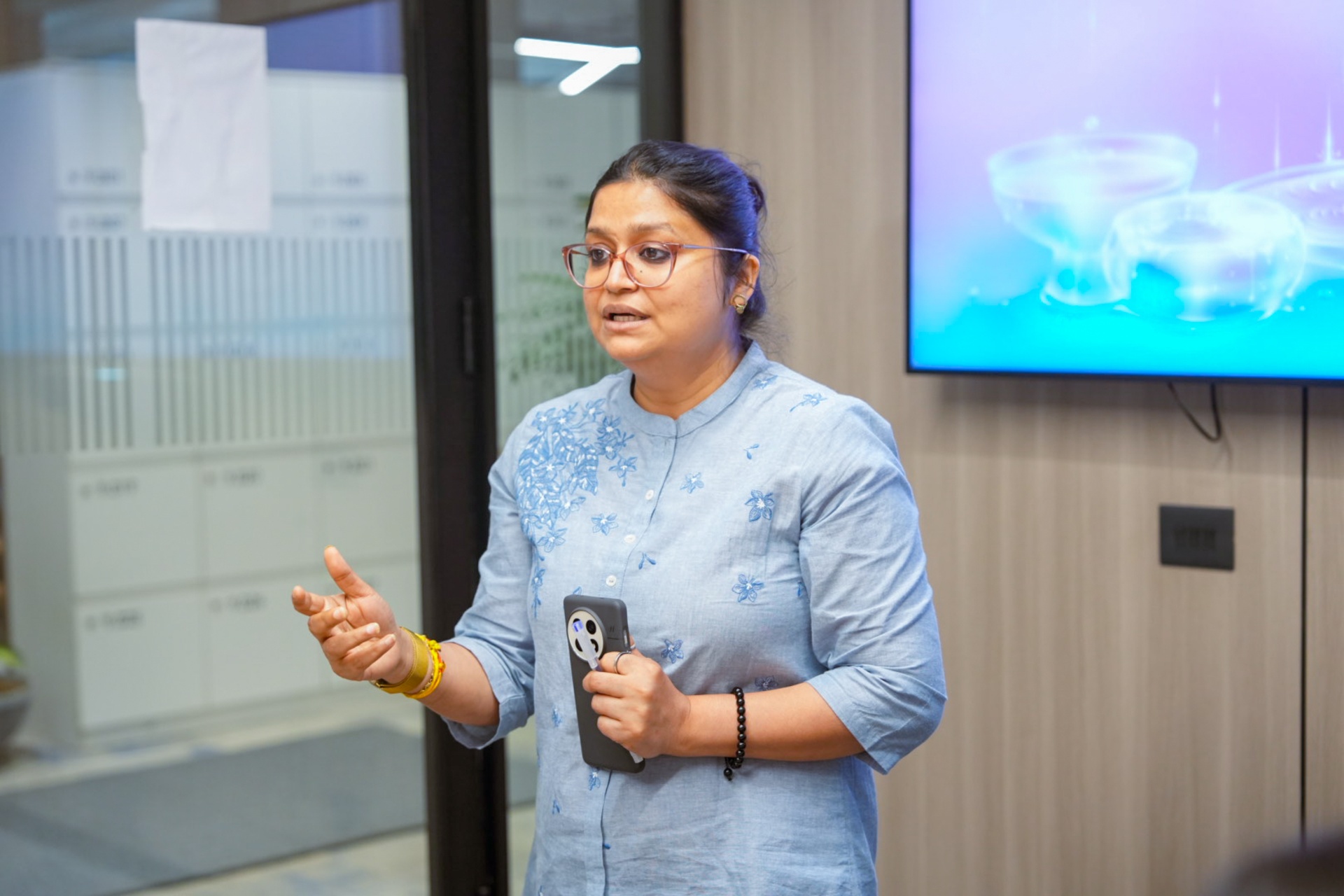
The most repeated piece of advice was to specialise. Padmaja Joshi, managing editor and anchor at NDTV, was blunt: mastering everything at once is not the goal; finding a niche is. She urged students to identify the subject that genuinely energizes them and master that first, adding that depth in one area is a foundation for versatility, not a limitation. “The more skills you pick, the better you get,” she said, but range grows from a strong base. The same theme surfaced at Live Hindustan, where the message to students was direct: don’t be a generalist, be a specialist.
Be a Master of One (or Two), and a Student of Many
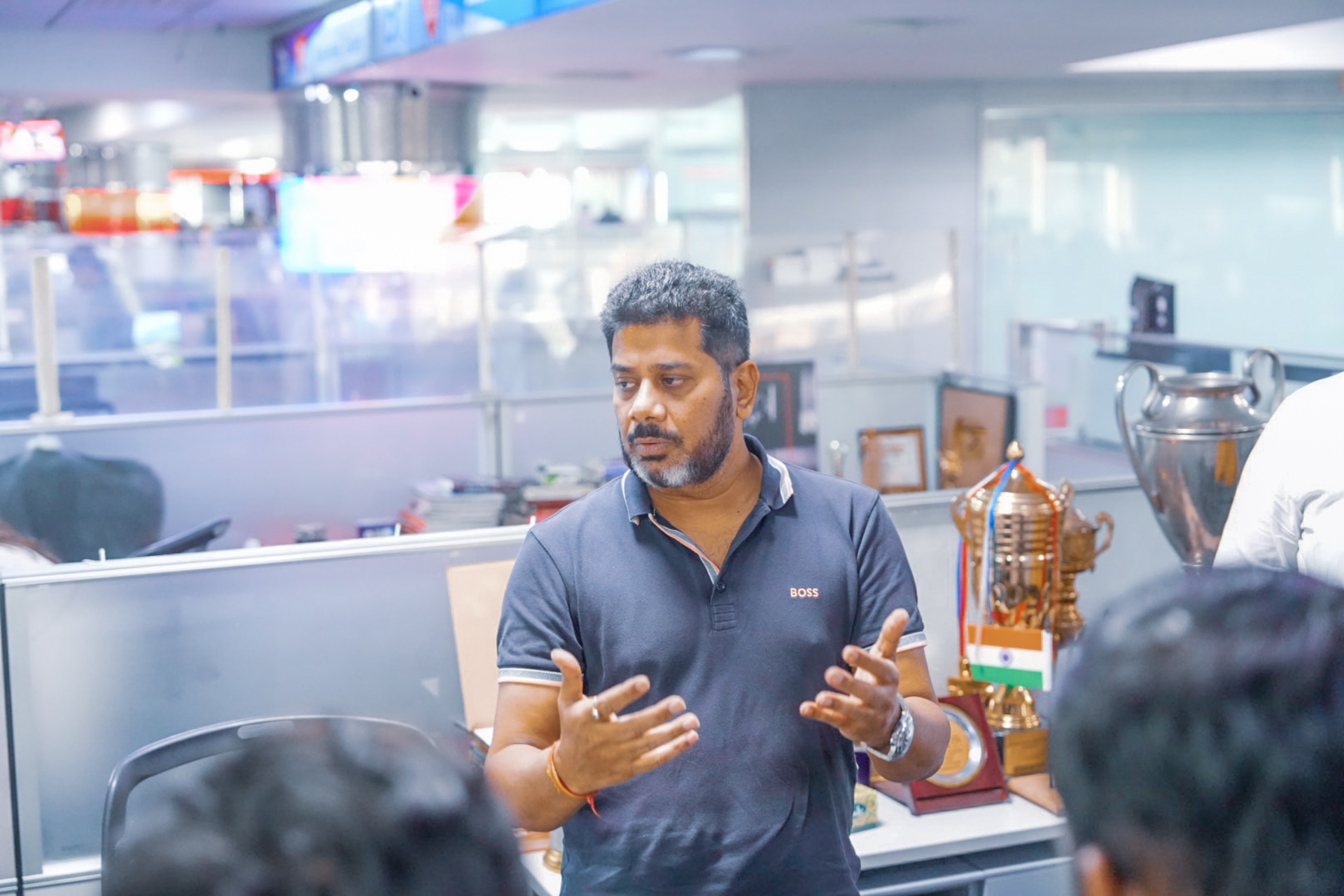
TV9 anchor and founding member Saurabh Agarwal framed it memorably: “Be a master of one and a student of many,” developing a defining strength while staying versatile enough to support the wider team. At the India Today Network, sports head Vikrant Gupta offered his own variation: be a jack of all trades but a master of two, always keeping a second skill open as a second route. The underlying lesson is the same: depth plus adaptability is what sustains a career.
Prachi Sen’s Experience on Delhi Leadership Tour, Parul University!
Become a Journalist First, an Anchor Later
Several journalists pushed back on the glamour of anchoring. The recurring message across the India Today Network was to “become good journalists first, and anchors afterwards.” Padmaja Joshi went further, advising students that reporting is a better place to begin a career than anchoring and to be patient with themselves: “Start by being kinder to yourself.” She was candid about the reality behind the desk, describing anchoring as “a very lonely place to be” where “it’s all just you and the camera,” and everyone watching is judging you. Anchoring, in other words, is a skill built on a journalist’s foundation, not a shortcut around it. At Parul University, the BA in Journalism and Mass Communication and the MA in Journalism and Mass Communication prepare aspiring media professionals to navigate the rapidly evolving world of journalism, digital communication, broadcasting, and storytelling.
Start Now: “Call Yourself a Journalist”
Perhaps the sharpest career advice came from Pratima Sharma Kumar, Digital Editor at Live Hindustan, who urged students to stop seeing themselves as students who happen to study journalism and to start acting as journalists immediately. “Once the train arrives, you don’t have the time for packing,” she told them, meaning preparation must happen long before opportunity does. Her instruction was direct: “Don’t be a journalism-studying student. Call yourself a journalist. See yourself like a journalist.”
Read, Relentlessly
If one habit was treated as non-negotiable, it was reading. PTI’s Shuja ul Haq called daily newspaper reading, cover to cover, a red-flag test: forgetting how to read a newspaper, he said, is a warning sign for any journalist. At the India Today Network, journalists tested students on their awareness of ministers, chief ministers, and their own local MLAs, driving home that a journalist cannot afford to know only the subjects they personally like. The advice was unanimous: read newspapers, research thoroughly, and go beyond the half-truths of social media.
Storytelling Beats Networking
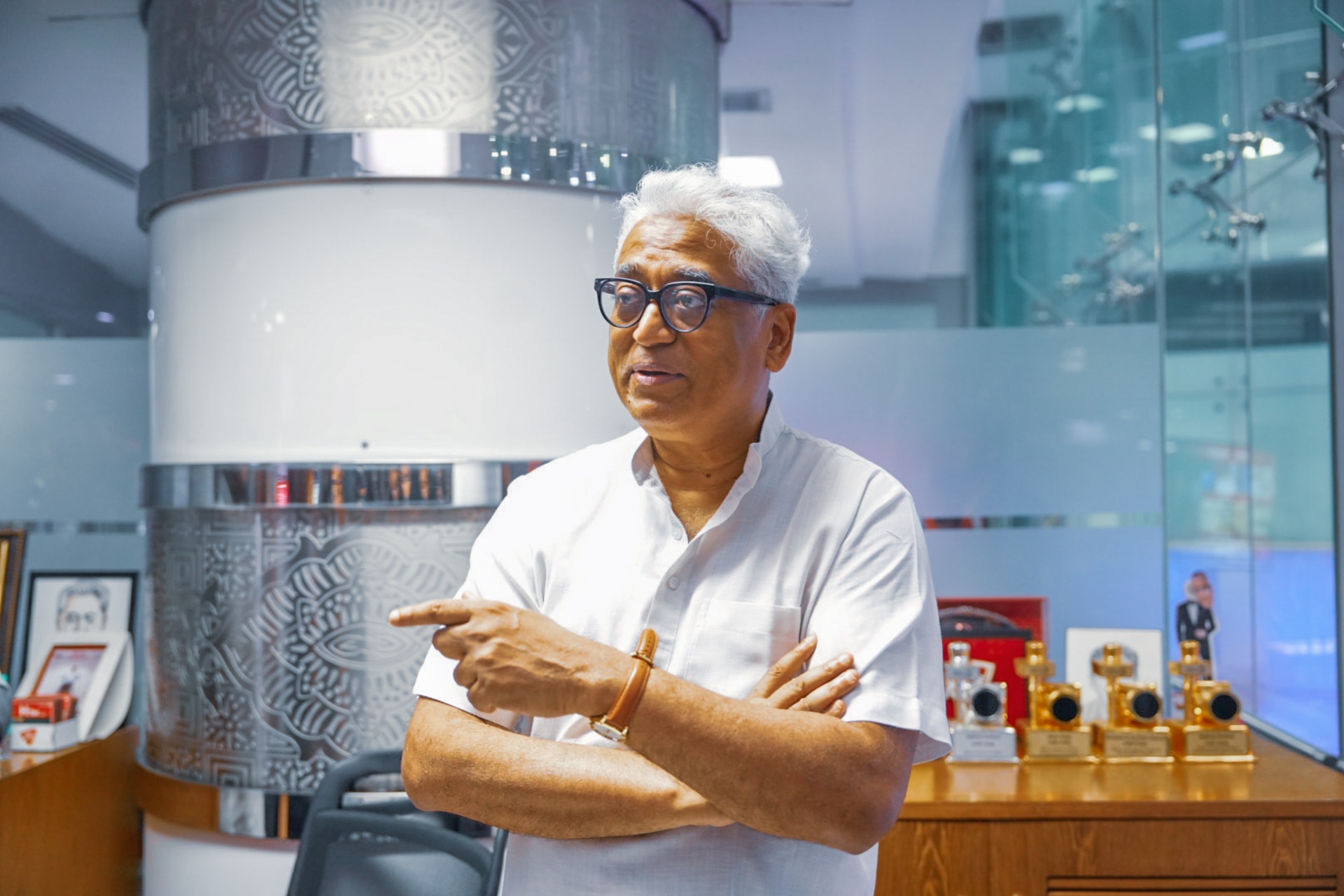
When students asked Rajdeep Sardesai of the India Today Network how to get better at networking, he challenged the question itself. Networking, he suggested, is not the skill to focus on; storytelling is. A journalist can have countless connections, but without the ability to tell a compelling story, those connections carry them nowhere. People connect with narratives and human emotion, not lists of facts. He paired this with two more pieces of advice for the next generation: “go digital” and adopt a truly national perspective rather than a Delhi-centric one, judging news “by its significance, not merely by where it happens.”
Practice and Mental Strength
On the craft itself, the advice was refreshingly unglamorous. Both Padmaja Joshi and Saurabh Agarwal credited relentless practice, reading aloud in front of a mirror, and working on delivery until it becomes second nature, over any shortcut. “It all comes with practice,” Agarwal said. And several journalists were honest about the profession’s emotional demands: reporting on tragedy and difficulty requires genuine mental strength, because the news does not stop for a journalist’s own hard days. As Marya Shakil put it, when you pick up a mic, you pick up a responsibility.
Aditi Dongre’s experience on the Delhi Leadership Tour!