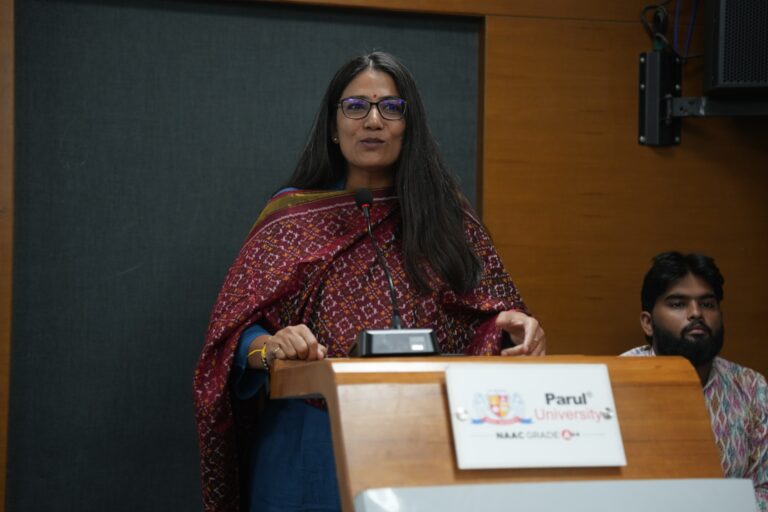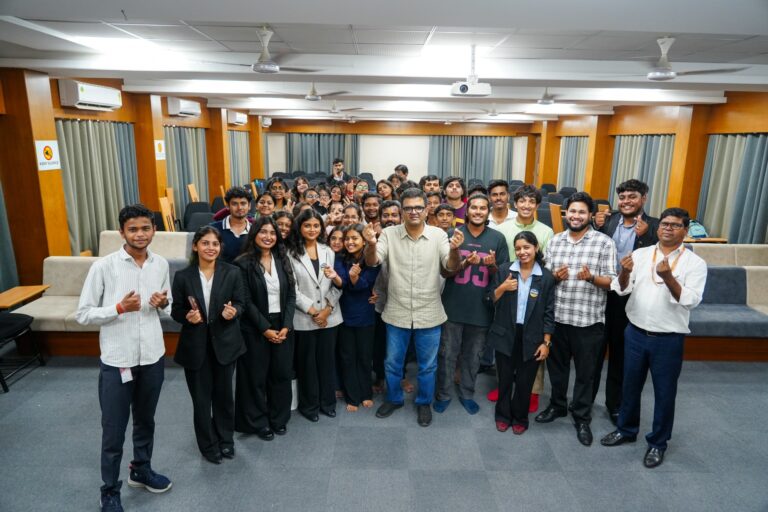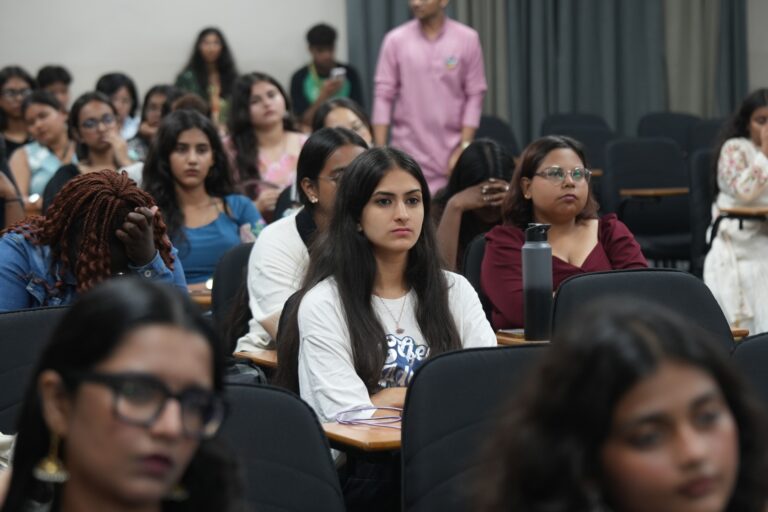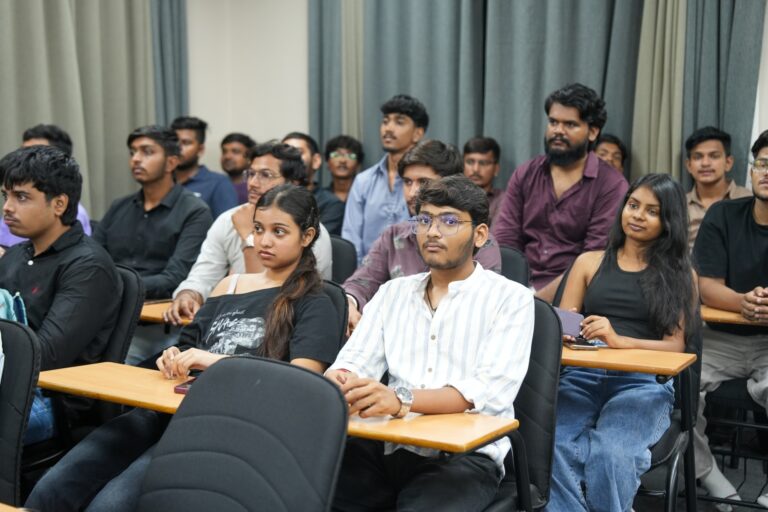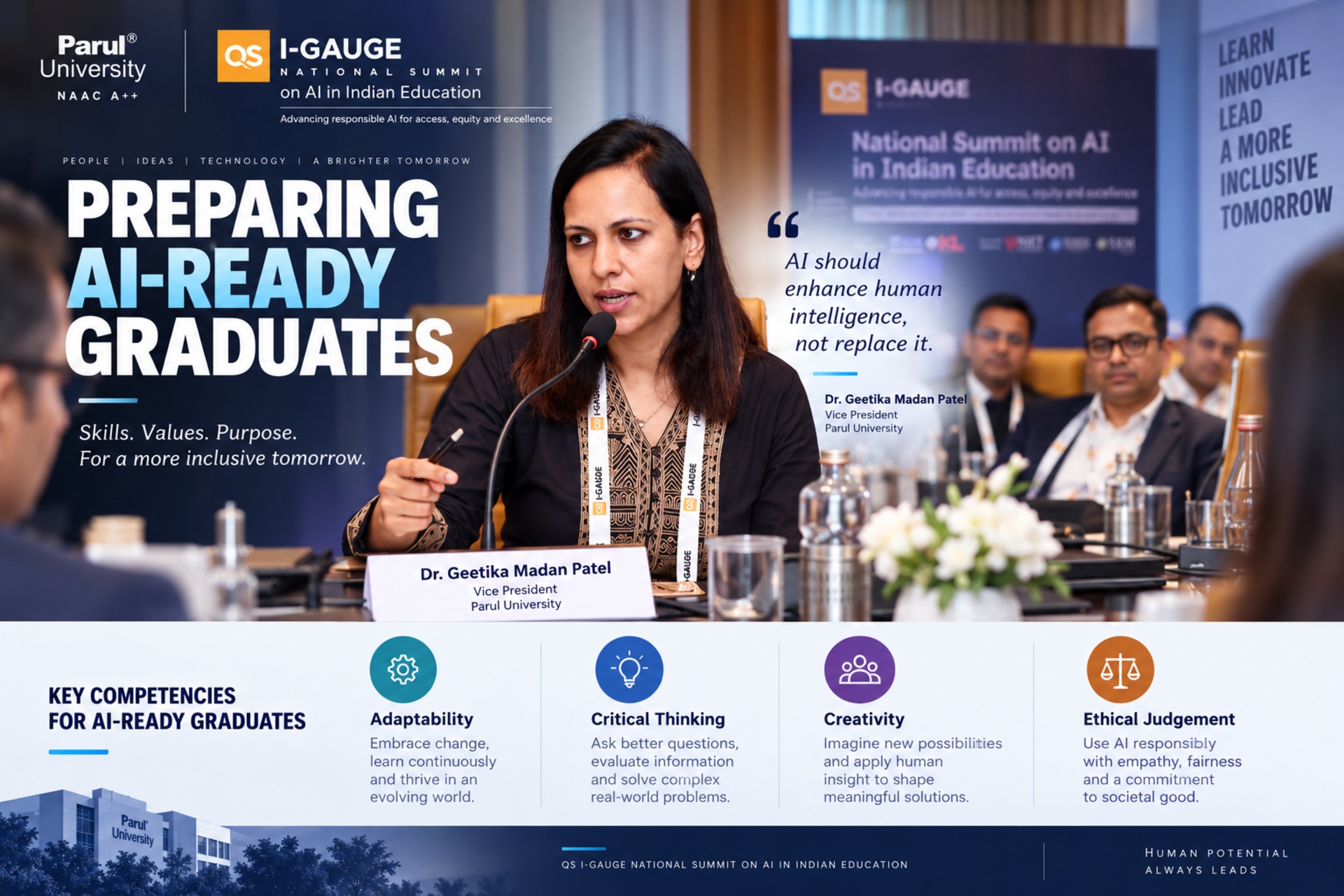
For as long as universities have existed, a degree has certified what a graduate knows. AI can instantly write an essay, can generate code, and can do everything; then what’s the need for graduates? This was the central theme at the QS-I-GAUGE National Summit on AI in Indian Education, wherein the Vice President of Parul University, Dr. Geetika Madan Patel, shared her views on crafting the next-gen graduate beyond the campus!
The Shift: From Knowing to Applying
The definition of a “competent graduate” is fundamentally shifting, from knowledge retention to knowledge application and agility. The context is stark. The World Economic Forum’s Future of Jobs has found that a large set of workers’ close skills are close to 44 percent and are expected to change within a five-year time frame. India’s NEP 2020 policy predicted a shift of moving away from rote learning towards critical and multi-purpose thinking. In an AI-obsessed world, a graduate who can gain knowledge and can adapt quickly is what matters more than anything else!
The Human Skills AI Cannot Replicate
If AI can pass standard university exams, the question becomes: what distinctly human capabilities must a university guarantee in its graduates? This was the heart of Dr. Geetika Madan Patel’s message. She said, “It’s the responsibility of universities and leaders to teach beyond adopting technology, and that’s what prepares graduates with human qualities in sync with AI!”
- Adaptability to keep learning as roles and tools change.
- Critical thinking to question, evaluate, and judge, including the output of AI itself.
- Creativity to imagine what AI cannot originate.
- Ethical grounding to navigate the moral questions AI raises.
- Emotional intelligence and complex problem-solving are deeply human skills that machines do not possess.
These are not soft extras. In an AI-driven future, they are the core of what makes a graduate employable and irreplaceable.
From “Degree-Awarding Bodies” to “Talent Incubation Ecosystems”
Preparing such graduates requires universities themselves to change. The challenge, as the round table framed it, is not primarily technological but cultural and visionary. Institutions must evolve from traditional “degree-awarding bodies” into dynamic “talent incubation ecosystems.” places that develop capabilities, not just confer credentials. That shift touches everything: how decisions are made at the board and academic-council level, how physical campuses are reimagined as collaborative, AI-enhanced workspaces rather than lecture halls, and how success itself is measured.
Measuring Success Differently
One of the most practical questions raised was how leadership should measure institutional success in this new era. Traditional metrics like pass percentages say little about whether graduates are adaptable or future-ready. The next generation of institutional key performance indicators will need to capture adaptability, employability, and the human capabilities that matter most in an AI-driven economy. What a university chooses to measure shapes what it produces, and future-ready graduates require future-ready metrics.
Why This Matters for India?
India holds the world’s largest youth population, a demographic advantage that can only be realized through visionary academic leadership. Getting this right; redefining graduate attributes, evolving institutions, and measuring what truly matters, is how that youth potential becomes a globally competitive workforce. Adapt, innovate, and lead ahead in an AI-driven world by exploring Parul University’s B.Tech in Artificial Intelligence, B.Tech CSE in Artificial Intelligence and Machine Learning, B.Tech in Artificial Intelligence and Data Science, B.Tech in Quantum Computing and AI, and BCA in Artificial Intelligence and Technology.
Parul University’s leadership is helping shape this national conversation, which, alongside heads of institutions from across Indian higher education, shows a clear commitment to preparing students not just for today’s jobs but for a future being rewritten by AI. It’a sheer commitment that runs through Parul University’s work on the usage of AI as a tool for enhancing human judgment rather than its replacement!