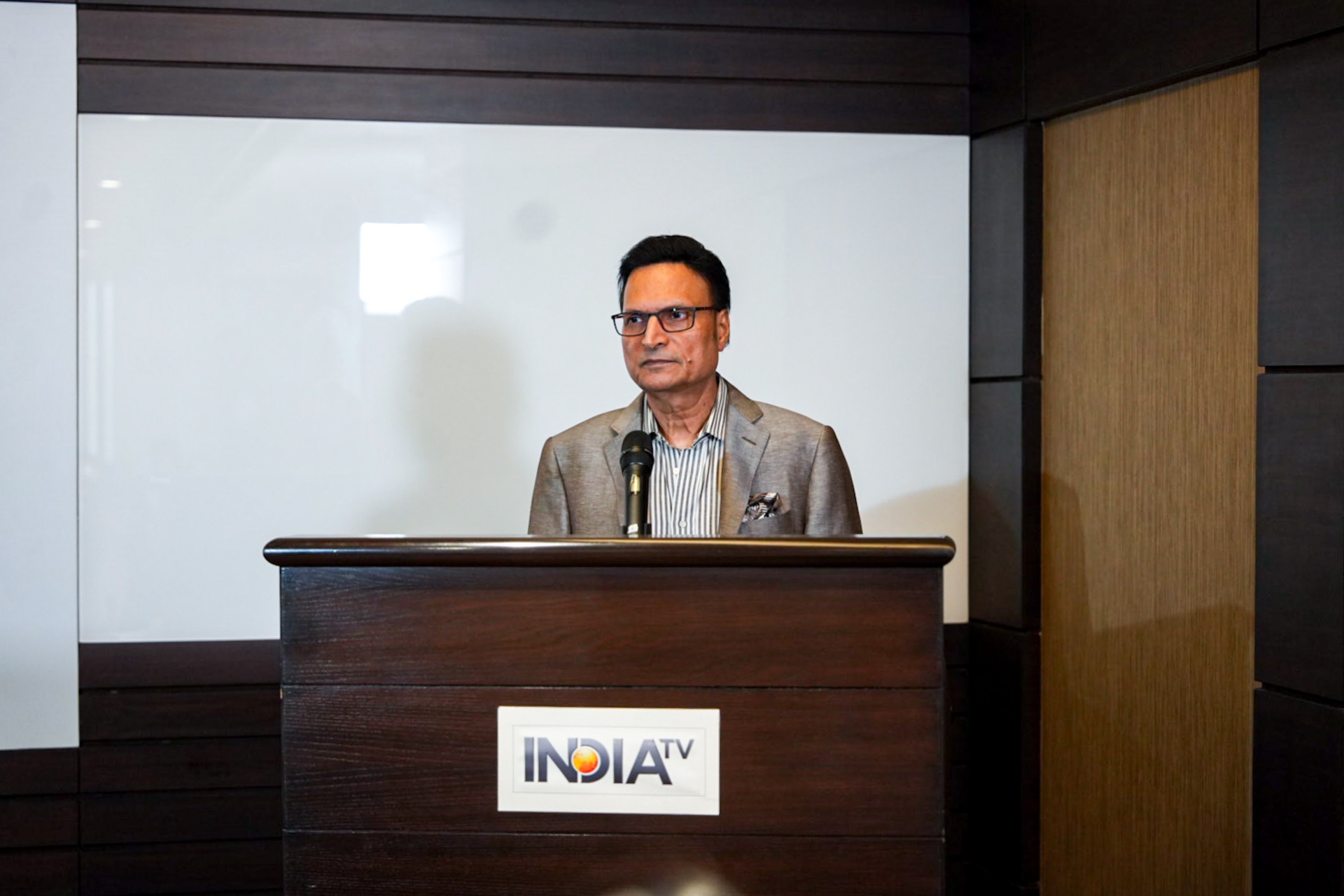
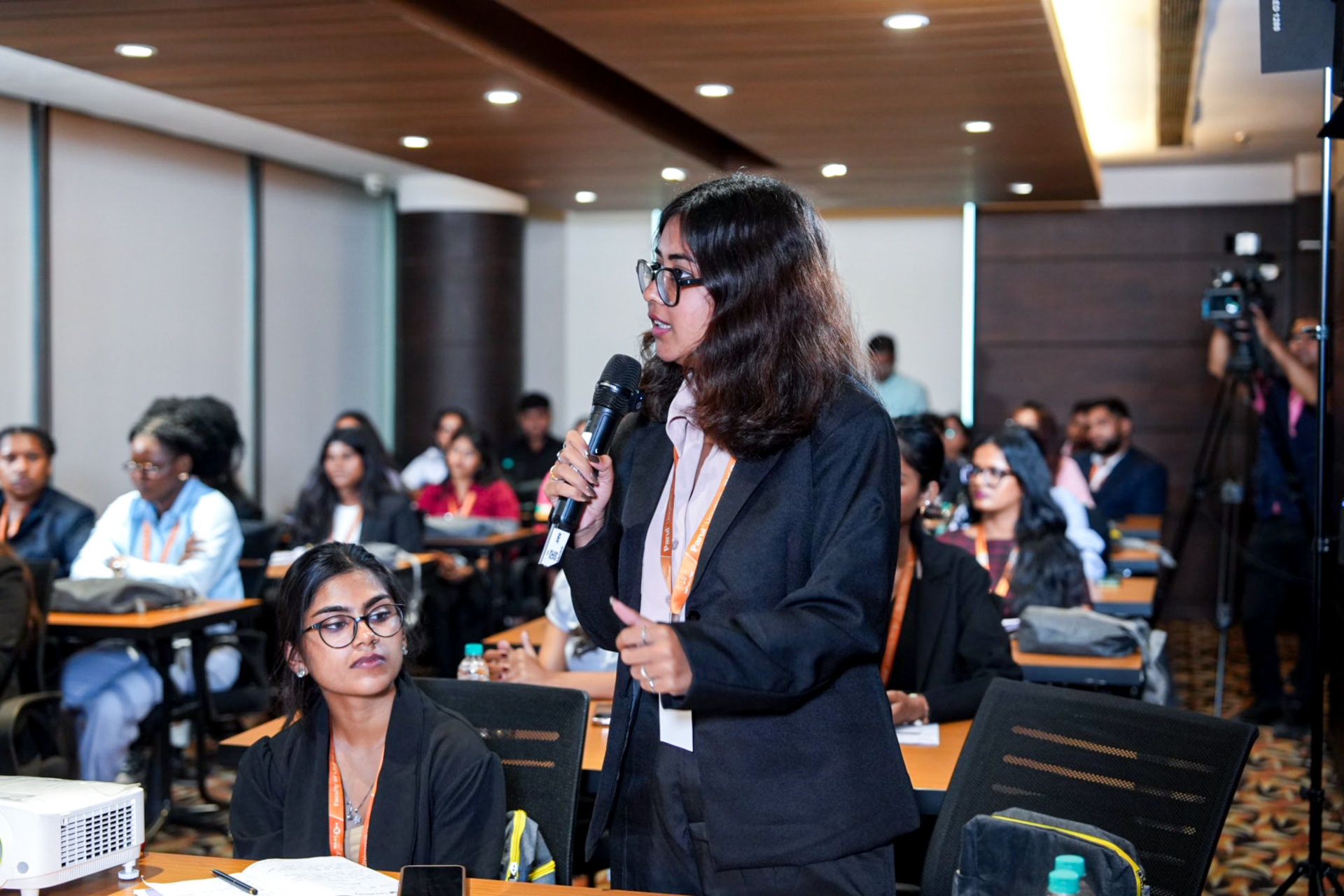
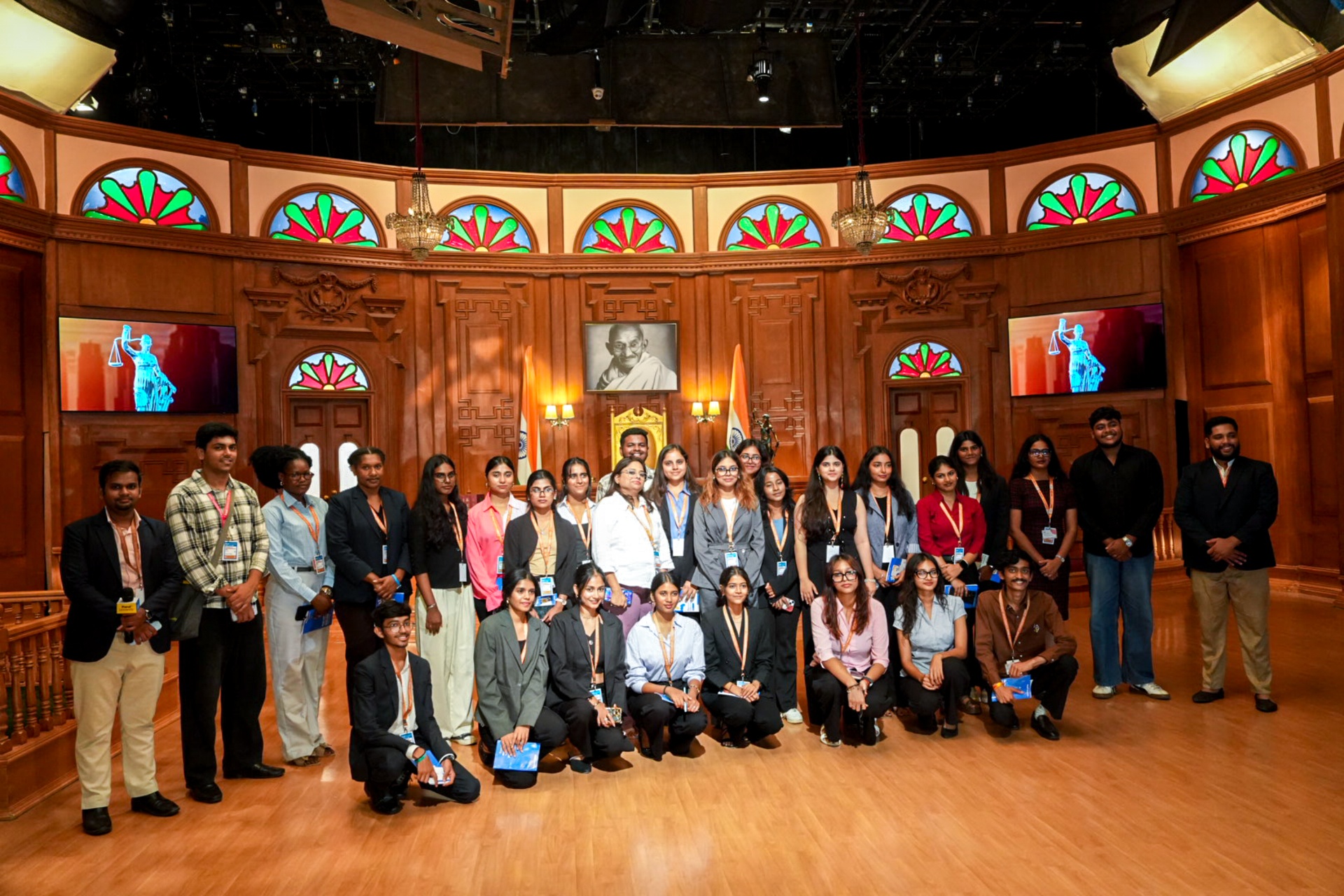
Delhi Leadership Tour - India’s Most Watched Mr. Rajat Sharma with Parul University!
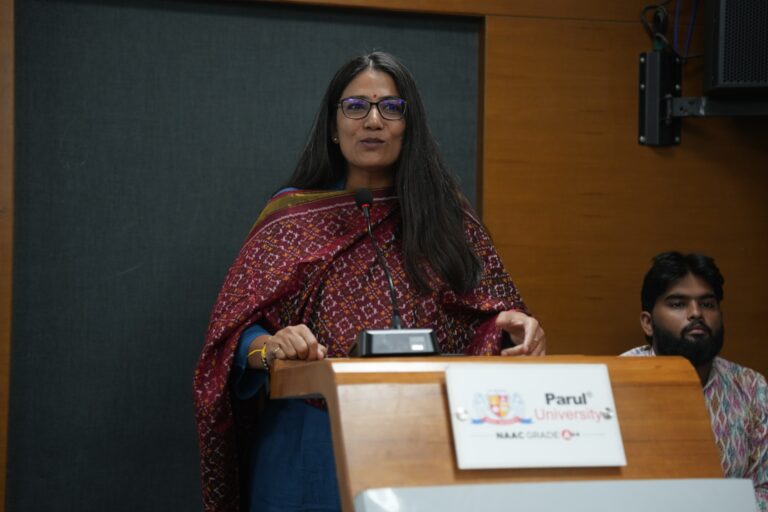
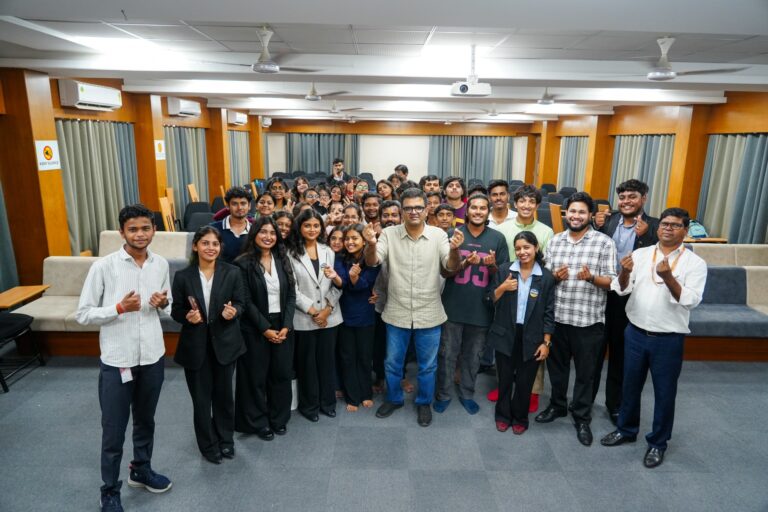
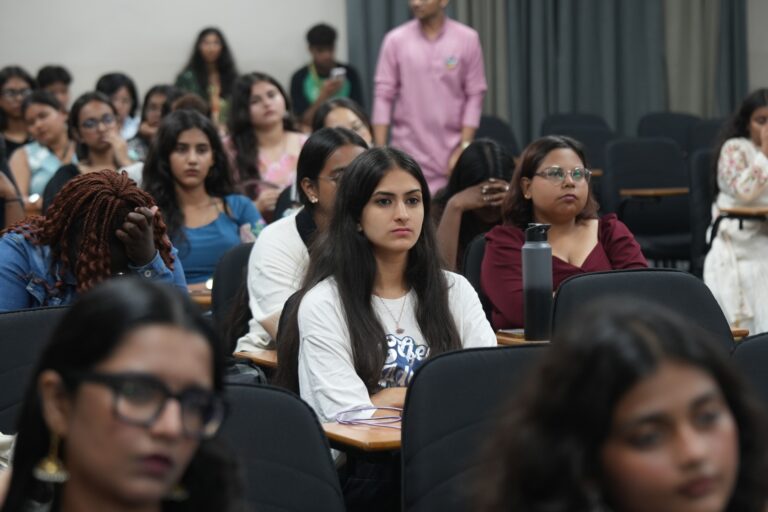
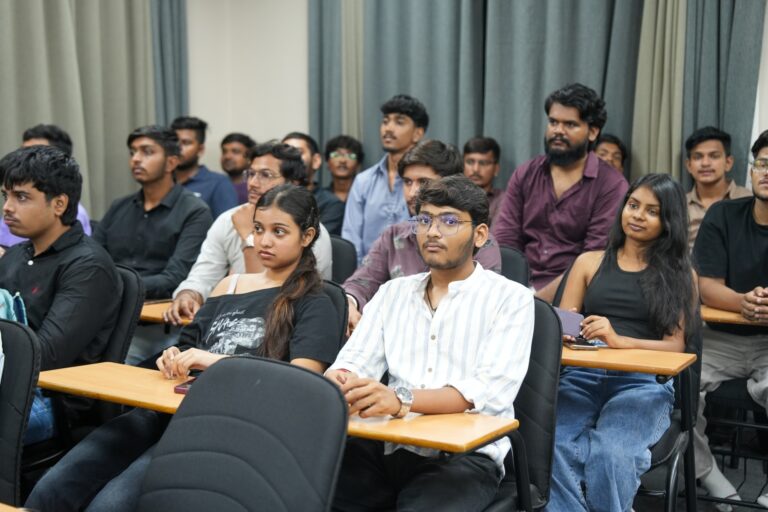
Few names in Indian television carry the weight of Rajat Sharma. So when the India TV Chairman and veteran broadcaster spent a wide-ranging two hours with Journalism and Mass Communication students from Parul University on their Delhi leadership tour, the room was listening closely. Across the session, he kept returning to a single idea: credibility is the foundation of a journalist’s career and the quality that sustains them over a lifetime.
Free, Fair, and Fearless, Not Instant Fame
Rajat Sharma’s core principle for journalism was simple and firm: it must remain “Free, Fair, and Fearless.” He cautioned students against expecting quick success, stressing that journalism is a profession where credibility is earned over time. Every story, he said, needs research, facts, and truth behind it, and without credibility, even good reporting ultimately has no meaning. Presentation skills alone, he warned, cannot make a journalist.
You have to know the news. You have to know how to write. You have to know how to face the camera.
– Rajat Sharma, India TV
He also urged students not to fixate on joining one glamorous department at the start of their careers. Every role in a newsroom, he explained, requires an understanding of journalism; even a camera operator needs to grasp the news value of a story to know which visuals matter.
Aditi Dongre’s experience on the Delhi Leadership Tour!
Covering 26/11 - The Taj Mumbai Attack!
While covering the live coverage of 2008’s Mumbai Terror Attack, Rajat Sharma realised that the channel became the only point of communication during that peak time. It truly reshaped how Indian television covers terror attacks. Speaking of live coverage, he said security officials have advised us to hold the sensitive coverage of ongoing operations, as it can reveal the real positioning of the security forces. Live journalism carries a duty of care and responsibility!
Rajat Sharma on AI and Deepfakes: A Servant, Not a Master
Rajat Sharma spoke candidly about being personally targeted by AI-generated misinformation, describing doctored videos that manipulated his face and voice to falsely promote products and similar fabricated videos misusing other public figures to push fraudulent schemes. Yet he was clear that the technology itself is not the villain.
AI as such is not bad. It is we who are misusing it who are committing the crime.
– Rajat Sharma
His only advice to young and passionate journalists is to learn the usage of AI as a tool that helps them, instead of controlling it, as courts have started removing impersonating content on the internet if it is flagged once. It’s the only lesson every journalist should know and must practice as they’re entering the age of AI & deepfakes.
The Ethics of a Damaging Story!
Asked how a newsroom should handle a story that is factually accurate but could seriously damage someone’s reputation, Rajat Sharma offered a nuanced answer rooted in editorial judgment. Where the subject is a criminal, a terrorist, or someone corrupt, he said, damage to reputation is not a concern. But where the subject is vulnerable, the calculation changes. He recalled an investigation into an illegal kidney-selling racket, involving people who had sold a kidney to fund a parent’s treatment or a family debt, and explained his choice not to run a story that would harm the poor and weak. Journalists, he stressed, must weigh the human consequences of publishing alongside the factual accuracy of a story.
Pravin Mourya’s Experience on Delhi Leadership Tour, Parul University!
Dissent and Personal History of Rajat Sharma!
The conversation also touched on protests and the role of independent journalism. Rajat Sharma described dissent as an essential part of a functioning democracy, while cautioning against language that relies purely on insult or provocation. He spoke from personal experience, recalling his time as a student protester during the Emergency of 1975, when press censorship forced him and fellow students to hand-copy and distribute newsletters. “For the freedom of expression, I know that pain,” he told the students, a reminder of why the freedoms journalists work under were hard-won. (His views on dissent are his own, offered as part of a wider discussion on independent journalism.)
Passion for Journalism & India!
Sharma closed on a personal note, recalling messages from viewers spanning three generations of the same family. “This gives me so much courage and strength,” he said. “This is why I do this work.” For a room of aspiring journalists, it was a fitting end to a session whose message extended far beyond television: success may take time, but credibility, preparation, and integrity are what allow a journalist to build a career that lasts. Rajat Sharma later shared his own reflection on the interaction with the students on Facebook and X.
At Parul University, the BA in Journalism and Mass Communication and the MA in Journalism and Mass Communication offer students an experiential learning environment that connects academic knowledge with the realities of modern media through practical training and industry engagement.