To develop a department of international and national repute in the field of petroleum engineering, known for its academic excellence with preference to industry-oriented outcomes.
To be a centre of quality education in the field of engineering to produce skilled professionals.
To create a focused and career-oriented environment amongst students which can prepare them not only for job seekers but job creators also.
To equip students with knowledge and skills aligned with the evolving needs of the biotechnology industry and to undertake collaborative research initiatives that foster long-term, mutually beneficial relationships between academia and industry.
PEO 1: Graduates will pursue a successful career in petroleum engineering involving professional knowledge and skills for analysis, design, and solution of real-time engineering problems related to oil and gas industry.
PEO 2: Graduates will demonstrate professional ethics, leadership, innovation, and lifelong learning to address evolving challenges in the petroleum industry while contributing to safe, environmentally responsible, economically viable, and sustainable energy development.
PSO 1: Petroleum Engineering Competency: Graduates will be able to apply petroleum engineering principles, tools, and techniques to solve problems related to petroleum exploration, drilling, reservoir characterization, production, and well completion.
PSO 2: Oil & Gas Operations and Sustainability: Graduates will be able to analyze, design, and optimize oil and gas field operations using modern technologies while ensuring safety, environmental sustainability, economic feasibility, and efficient resource utilization.
PLO 1: Engineering Knowledge: Apply knowledge of mathematics, basic sciences, engineering fundamentals, and domain-specific principles of Agricultural Engineering, Dairy Technology, and Food Technology, to solve complex engineering problems.
PLO 2: Problem Analysis: Identify, formulate, review relevant literature, and analyze complex engineering problems related to food systems, dairy processing, agricultural production, resource management, and allied industries using scientific and engineering principles.
PLO 3: Design and Development of Solutions: Design and develop products, processes, equipment, systems, and technologies that meet specified needs in dairy, food, and agricultural sectors while considering public health, safety, environmental sustainability, and societal requirements.
PLO 4: Investigation of Complex Problems: Conduct experiments, field studies, and research investigations; analyze and interpret data; and synthesize information to derive valid conclusions and support evidence-based decision-making.
PLO 5: Modern Tool Usage: Select and apply appropriate engineering techniques, laboratory instruments, digital technologies, modeling tools, automation systems, data analytics, and information technology resources to solve complex engineering problems with an understanding of their limitations.
PLO 6: Engineer and Society: Apply contextual knowledge to assess societal, health, safety, legal, regulatory, and cultural issues and fulfill professional responsibilities in engineering practice related to food, dairy, and agricultural systems.
PLO 7: Environment and Sustainability: Evaluate the environmental impact of engineering solutions and promote sustainable development through efficient utilization of natural resources, waste management, energy conservation, and environmentally responsible practices.
PLO 8: Ethics: Apply ethical principles and demonstrate professional integrity, accountability, and commitment to ethical standards, food safety regulations, and responsible engineering practices.
PLO 9: Individual and Teamwork: Function effectively as an individual and as a member or leader in multidisciplinary and diverse teams to accomplish professional goals and solve engineering challenges.
PLO 10: Communication: Communicate effectively with technical experts, industry professionals, farmers, entrepreneurs, policymakers, and society through reports, technical documentation, presentations, and professional interactions.
PLO 11: Project Management and Entrepreneurship: Apply engineering, management, financial, and entrepreneurial principles to plan, execute, and manage projects, enterprises, and innovations in dairy, food, agricultural, and allied sectors.
PLO 12: Life-Long Learning: Recognize the need for and engage in independent, lifelong learning to adapt to technological advancements, emerging industry trends, research developments, and global challenges.
Program details overview
Bachelor of Technology in Petroleum Engineering
Parul University’s B.Tech in Petroleum Engineering equips students with the technical and analytical skills needed to manage energy resources and drive sustainable energy solutions across the globe.
Petroleum Engineering plays a vital role in energy production and global industrial development. It involves the exploration, extraction, and processing of oil and natural gas, while balancing efficiency and environmental safety.
Here is how you can study this program

Bachelor of Technology in Petroleum Engineering
The 4-years Bachelor of Technology in Petroleum Engineering offers comprehensive training in reservoir engineering, drilling operations, geosciences, and production technologies. Students gain hands-on experience and technical expertise required to work across upstream and downstream sectors of the global petroleum industry.
Secure your place
25th August 2026
Applicable deadline
25th August 2026
Batch Commencing
8th July Onwards
Duration
4 years
Credits
180
Seats
60
Fee
1,75,000/- Per Annum
Language
English
Eligibility Criteria
Candidate shall have passed 12th Science with Physics, Mathematics and Chemistry as compulsory subject with 45% for general and 40% for reserved category in theory or theory + practical from recognized board.
*Tuition Fees may vary depending on the Country/State in which the candidate has passed their qualifying examination.
Bachelor of Technology in Petroleum Engineering
Designed for diploma holders or professionals with relevant experience, the lateral entry program enables direct admission into the second or third year. It fast-tracks students into advanced petroleum studies, focusing on real-world applications, industry tools, and energy sector challenges.
Secure your place
25th August 2026
Applicable deadline
25th August 2026
Batch Commencing
8th July Onwards
Duration
3 Years
Credits
180
Seats
60
Fee
1,75,000/- Per Annum
Language
English
Eligibility Criteria
Candidate shall have passed Diploma engineering with 45% for Open Category and 40% for( SC/ST/SEBC) and can get admission in 2nd year of B.Tech (Lateral Entry) (Candidate can change the specialization from diploma to degree)
*Tuition Fees may vary depending on the Country/State in which the candidate has passed their qualifying examination.
Bachelor of Technology in Petroleum Engineering
This global pathway enriches student learning through international collaborations, exchange programs, and joint degrees with partner universities abroad. The curriculum integrates global industry practices and cross-cultural exposure, preparing students for careers in multinational energy corporations and global oil & gas projects.
Secure your place
25th August 2026
Applicable deadline
25th August 2026
Batch Commencing
8th July Onwards
Duration
2+2 Years
Credits
180
Seats
60
Fee
1,75,000/- Per Annum
Language
English
Eligibility Criteria
Candidate shall have passed 12th Science with Physics, Mathematics and Chemistry as compulsory subject with 45% for general and 40% for reserved category in theory or theory + practical from recognized board.
*Tuition Fees may vary depending on the Country/State in which the candidate has passed their qualifying examination.
Extend Your Learning, Walk Away with Dual Degrees
While you are studying your main degree, you can also study another degree as a dual degree program which provides you an opportunity to explore multiple fields of study. With Dual Degree you can study your main degree in physical mode and your second degree in hybrid mode with adjustable study hours

Why study this program
Be a part of a engaging learning atmosphere that gives you the tools to excel in the career of your choice.
Fuel the World
B.Tech in Petroleum Engineering prepares students to explore, extract, and manage oil and gas resources efficiently, using modern engineering practices and sustainable approaches.
Consistent Demand
Petroleum engineers play a crucial role in the global energy industry, with opportunities in oil exploration, drilling operations, production, and reservoir management.
Practical Learning
Parul University supports the program with multidisciplinary engineering labs and computing tools for geological mapping, drilling fluid testing, and production analysis.
Field & Technical Training
Students gain practical exposure in drilling engineering, reservoir simulation, and production operations through industrial case studies and hands-on training modules.
Advanced Learning at PU
The program includes petroleum geology, drilling technology, reservoir engineering, enhanced oil recovery, safety management, and environmental regulations.

What you can become after studying Petroleum Engineering?

Petroleum Engineer

Drilling Engineer

Reservoir Engineer

Production Engineer

Mud Logging Engineer

Energy Sector Consultant

Here is the Important Information you need to Know
Find out if this is the right course for you.
Find out if this is the right course for you.

Download curriculum
Get a complete overview of what you’ll learn, the skills you’ll build, and how the program shapes your academic journey.


Download teaching scheme
Understand how your learning is structured, from subject flow to timelines, designed to keep your progress clear and consistent.

Download faculty details
Discover the experts behind your education: their experience, specialisations, and the knowledge they bring into the classroom.
Download curriculum
Get a complete overview of what you’ll learn, the skills you’ll build, and how the program shapes your academic journey.
Download teaching scheme
Understand how your learning is structured, from subject flow to timelines, designed to keep your progress clear and consistent.
Download faculty details
Discover the experts behind your education: their experience, specialisations, and the knowledge they bring into the classroom.
Launch your career with our leading placements
We provide you with leading placement opportunities before you graduate, with the best career training and an exposure to leading recruiters.
4-6 LPA
Average Package
2,200+
Recruiters
60* LPA
Highest Package Offered

Give your future career a head start
Explore our facilities & resources for this program
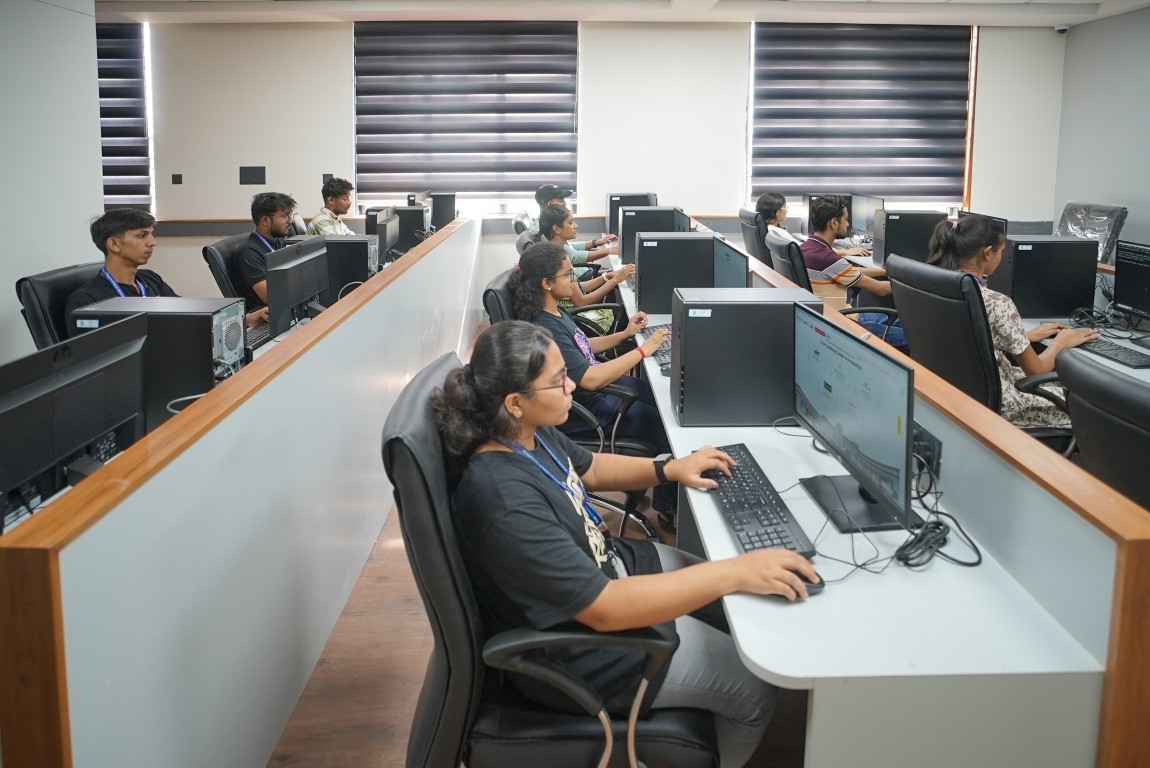
Automobile Engineering Lab
Combines theory and practice in vehicle mechanics, design innovation, and performance testing under simulated industry conditions.

Nanotechnology Lab
A research-oriented lab advancing studies in nanoscale materials, sensors, and technologies for futuristic engineering solutions.
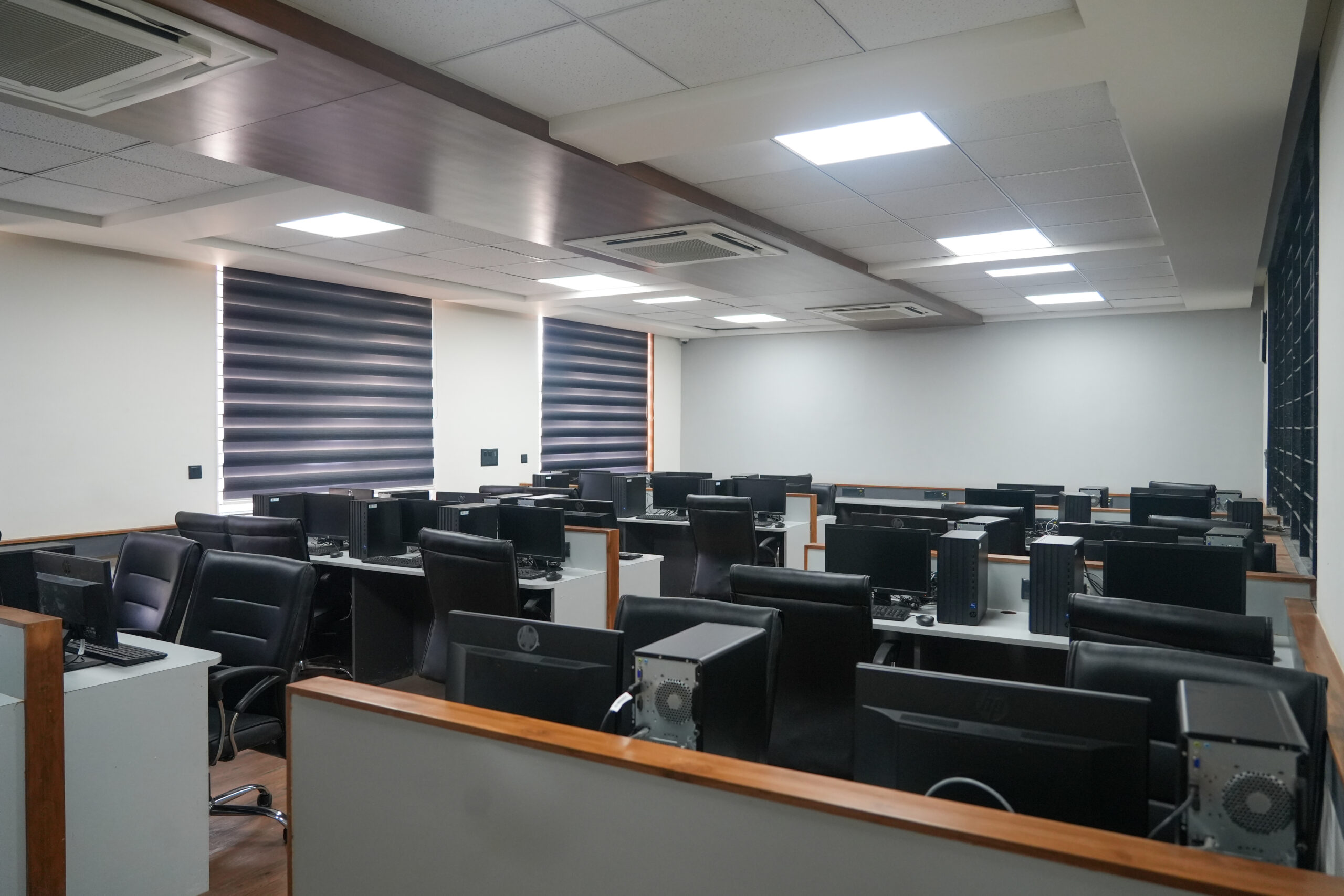
Cloud Computing Lab
Explores distributed computing systems, cloud architecture, and virtualization through hands-on server-based simulations.
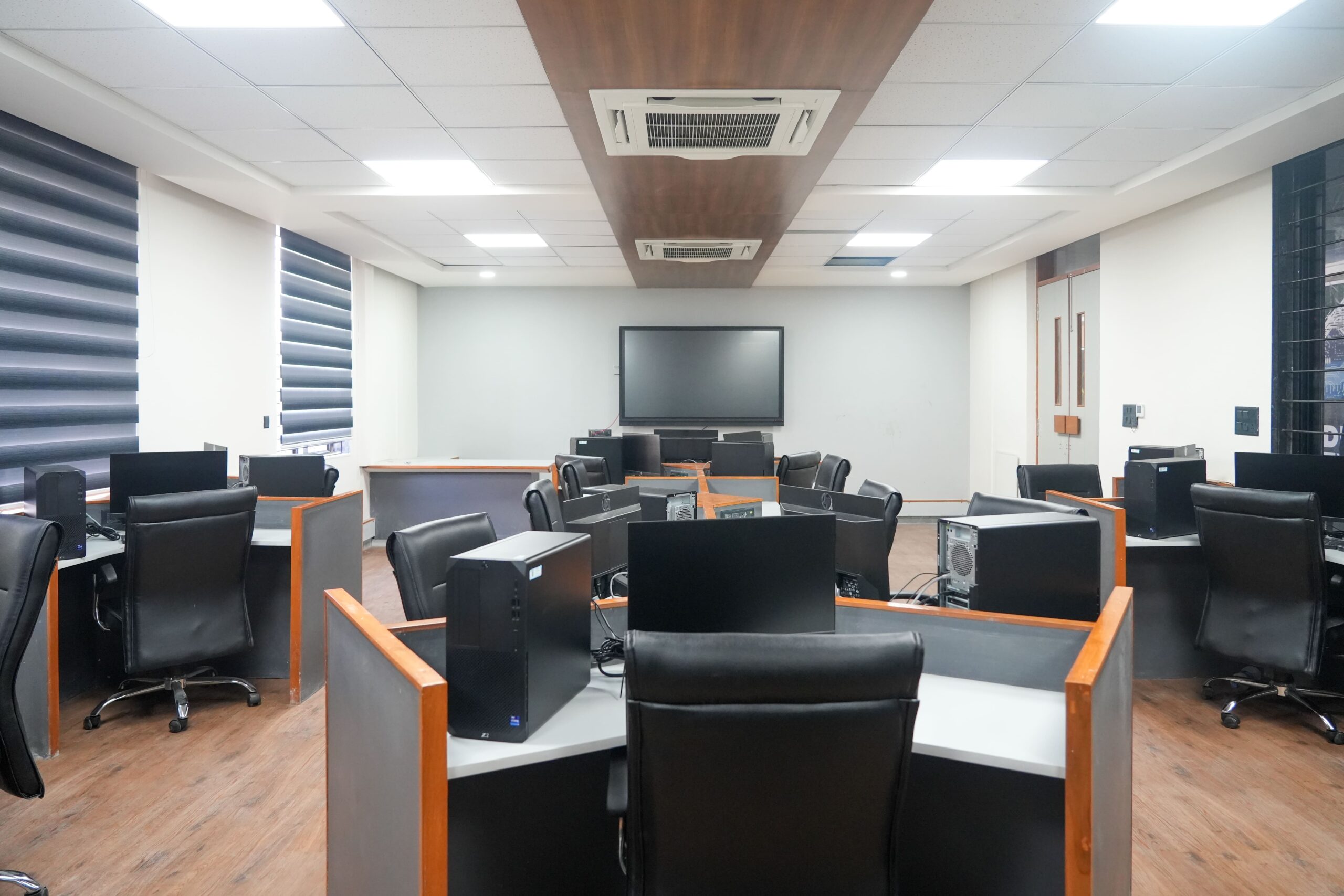
Internet of Things (IoT) Lab
Integrates sensors, networks, and intelligent devices to build smart solutions for automation and real-time connectivity.
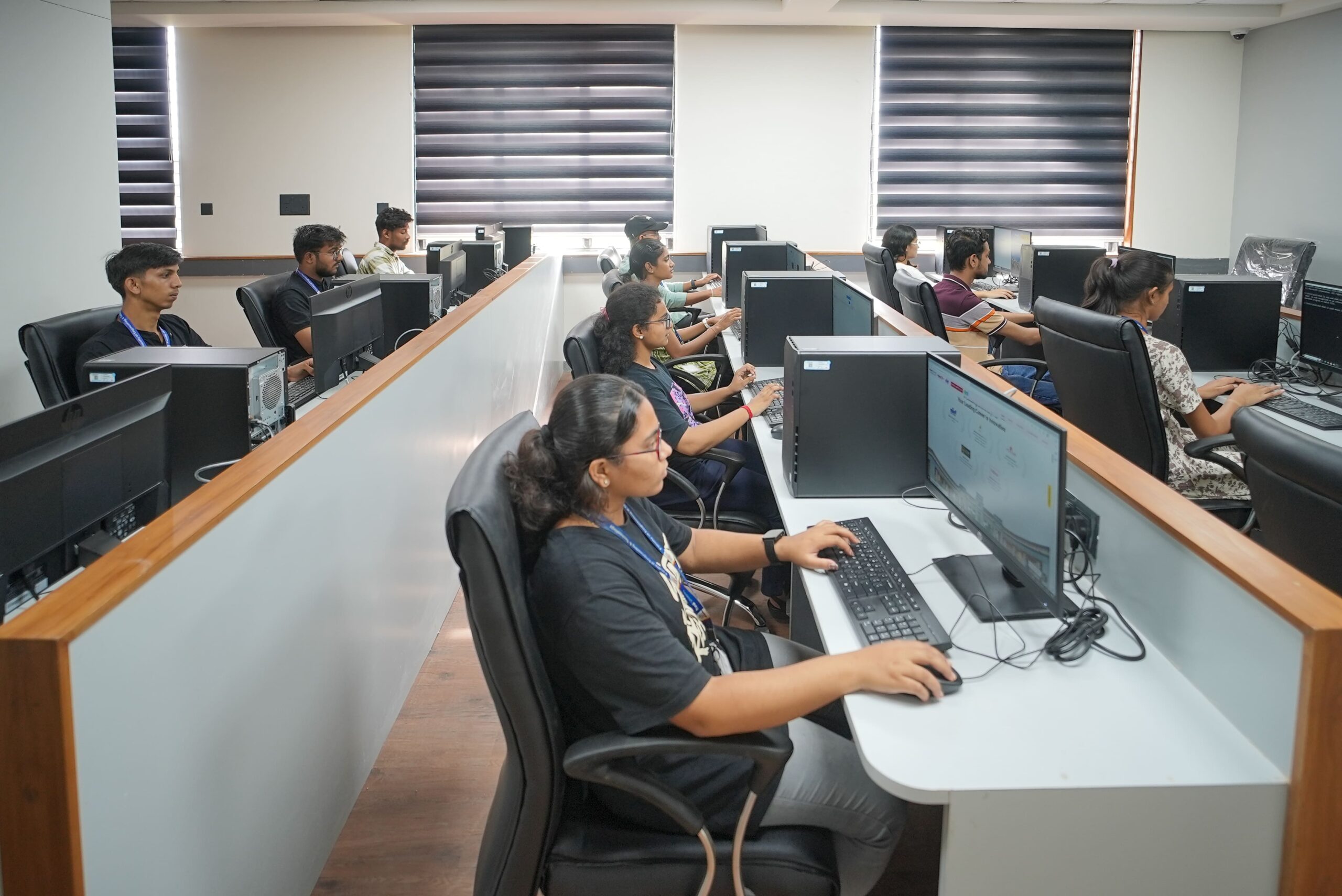
Network Architecture Lab
Offers a dynamic environment for designing and analyzing enterprise-level network systems and security configurations.

Extended Reality & Game Lab
Encourages experimentation in immersive storytelling and interactive media through AR, VR, and game design tools.
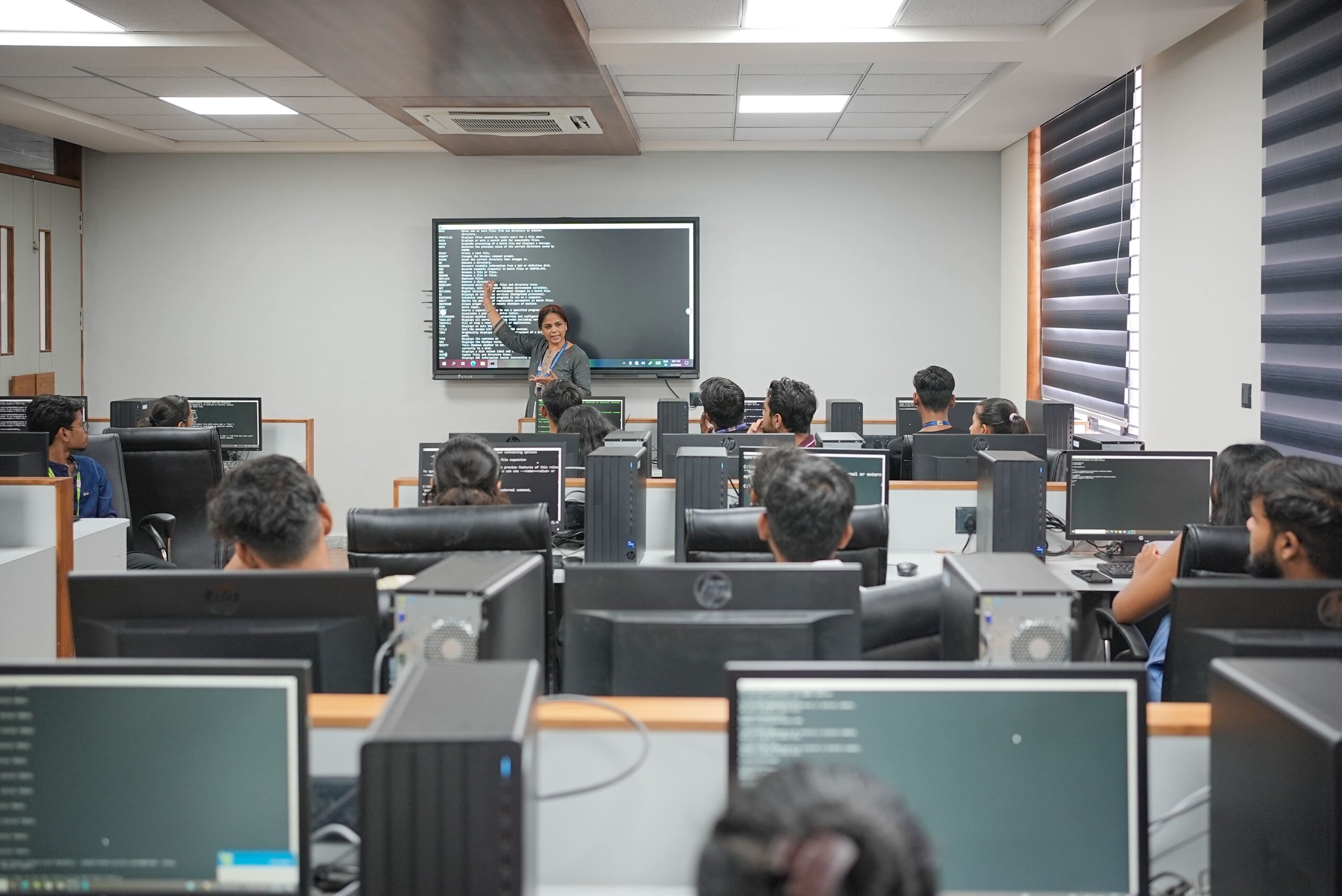
Civil Surveying Lab
Provides training in geospatial mapping and land surveying using modern equipment and digital measurement systems.
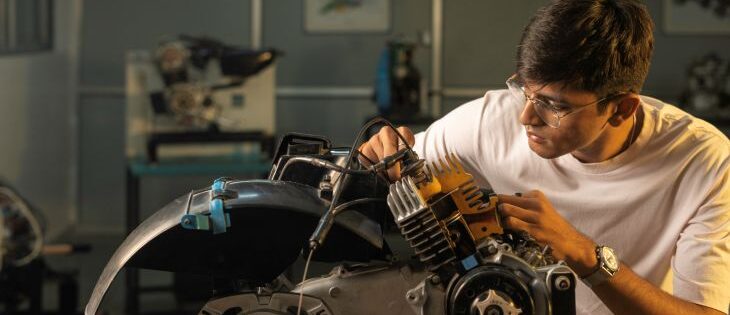
Aircraft Maintenance & Repair Lab
Replicates real-world aviation environments, allowing students to engage with aircraft systems and maintenance technologies.
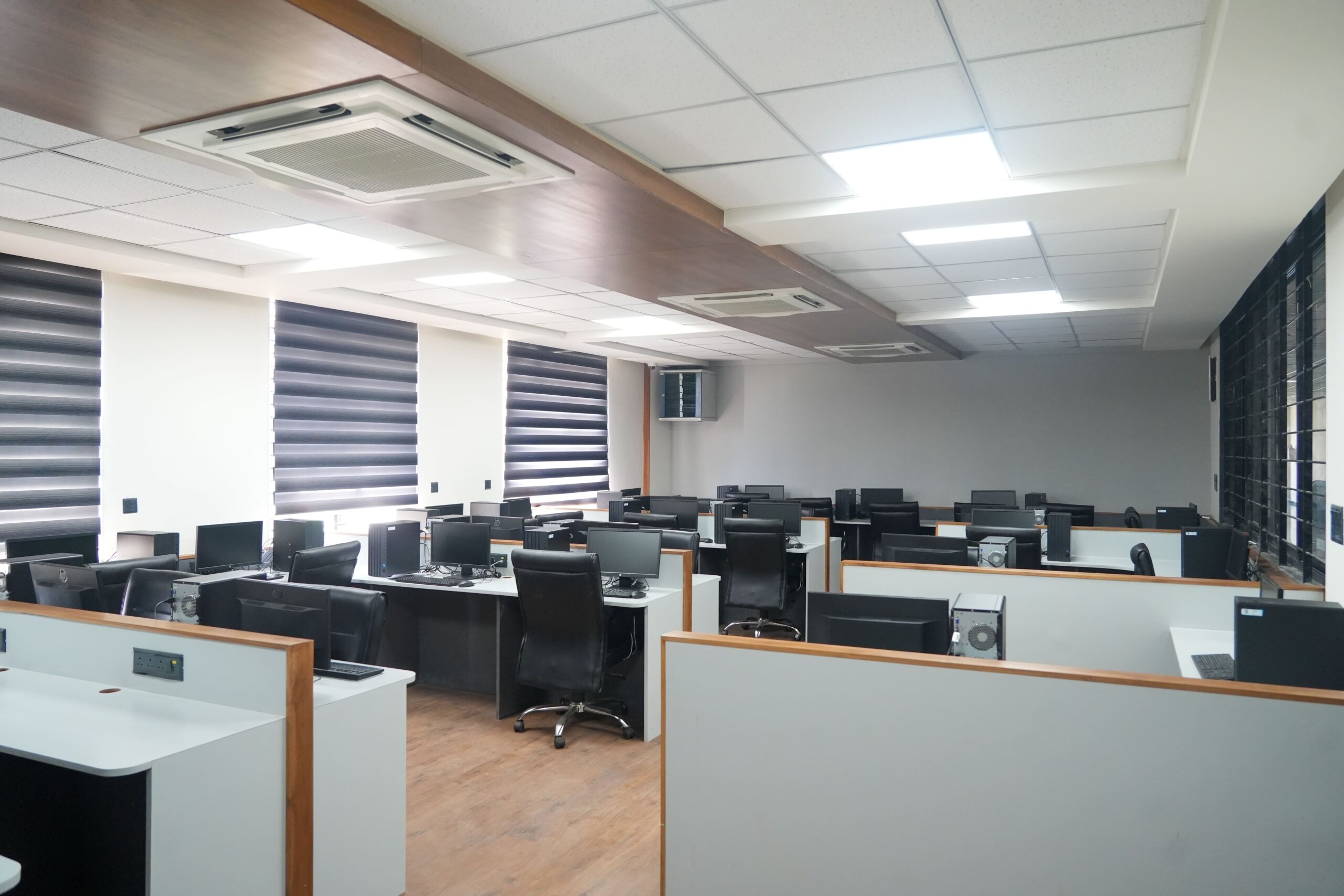
Fab Lab
A digital fabrication space that nurtures innovation through 3D modelling, CNC machining, and hands-on prototyping.

3D Printing Lab
Bridges design and production by allowing students to translate digital concepts into tangible prototypes with precision.
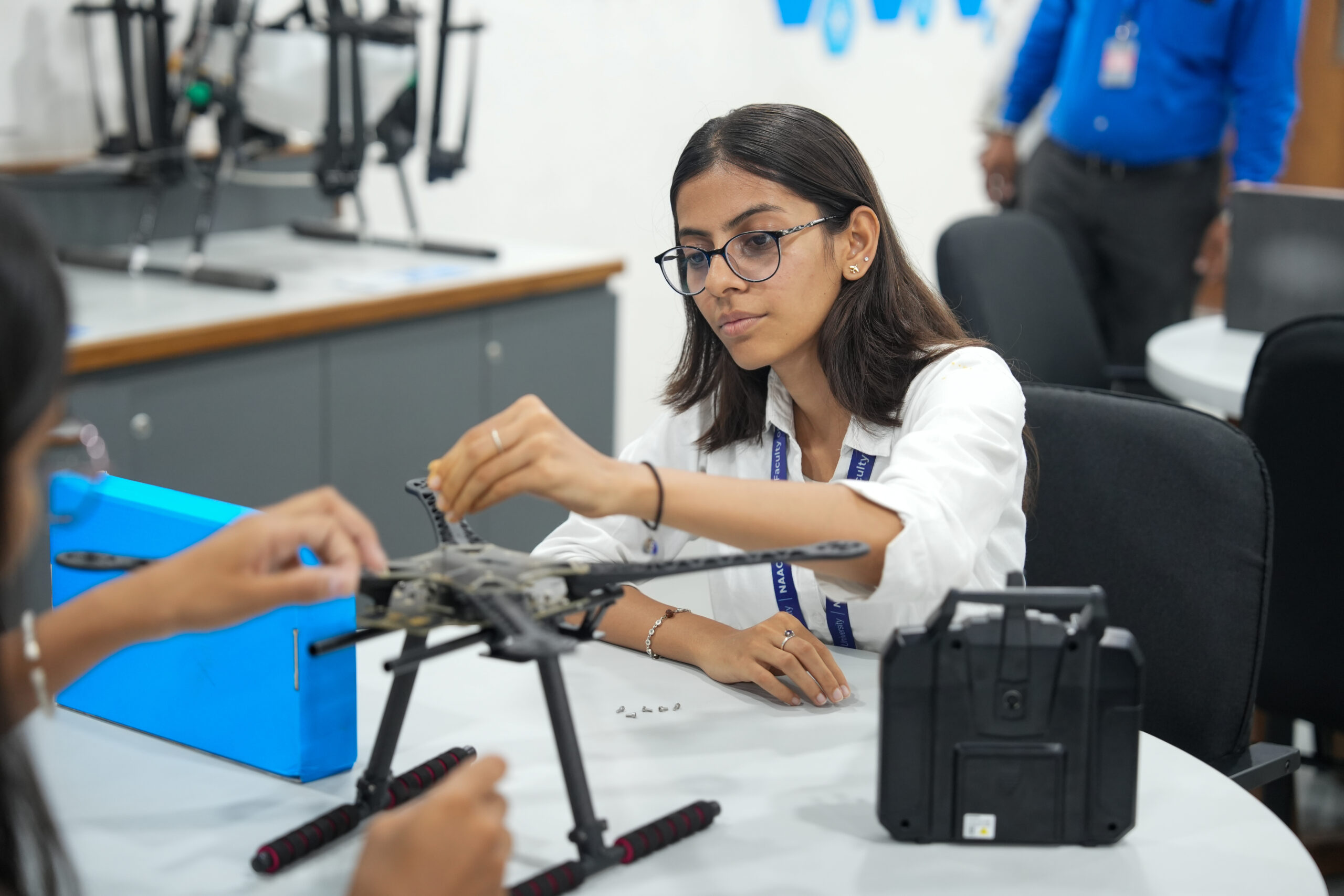
UAV/Drone Lab
Trains students in drone design, programming, and deployment for applications across engineering, agriculture, and logistics.
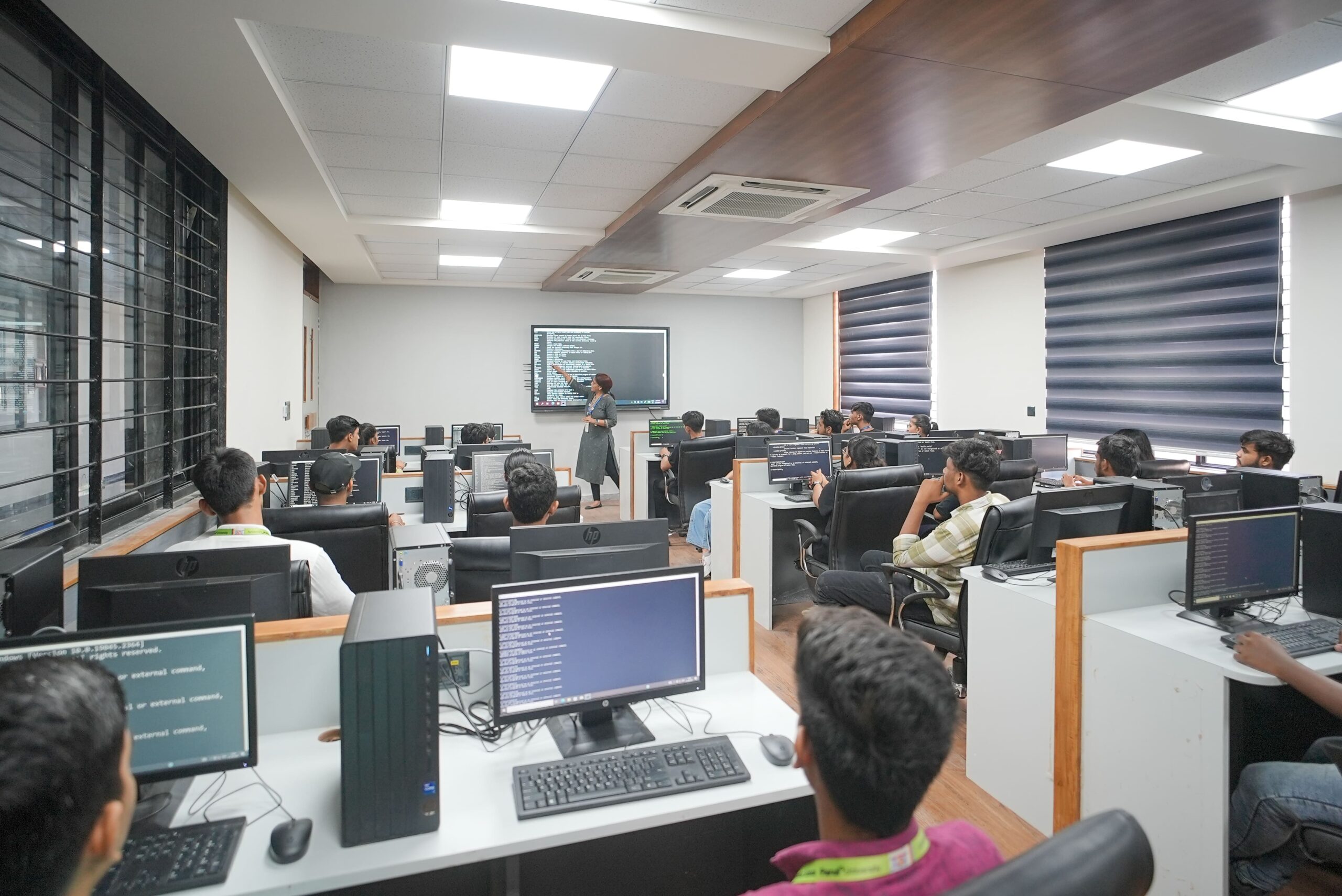
Cyber Security Lab
Designed for hands-on training in ethical hacking and digital forensics, ensuring students learn to safeguard modern digital infrastructures.
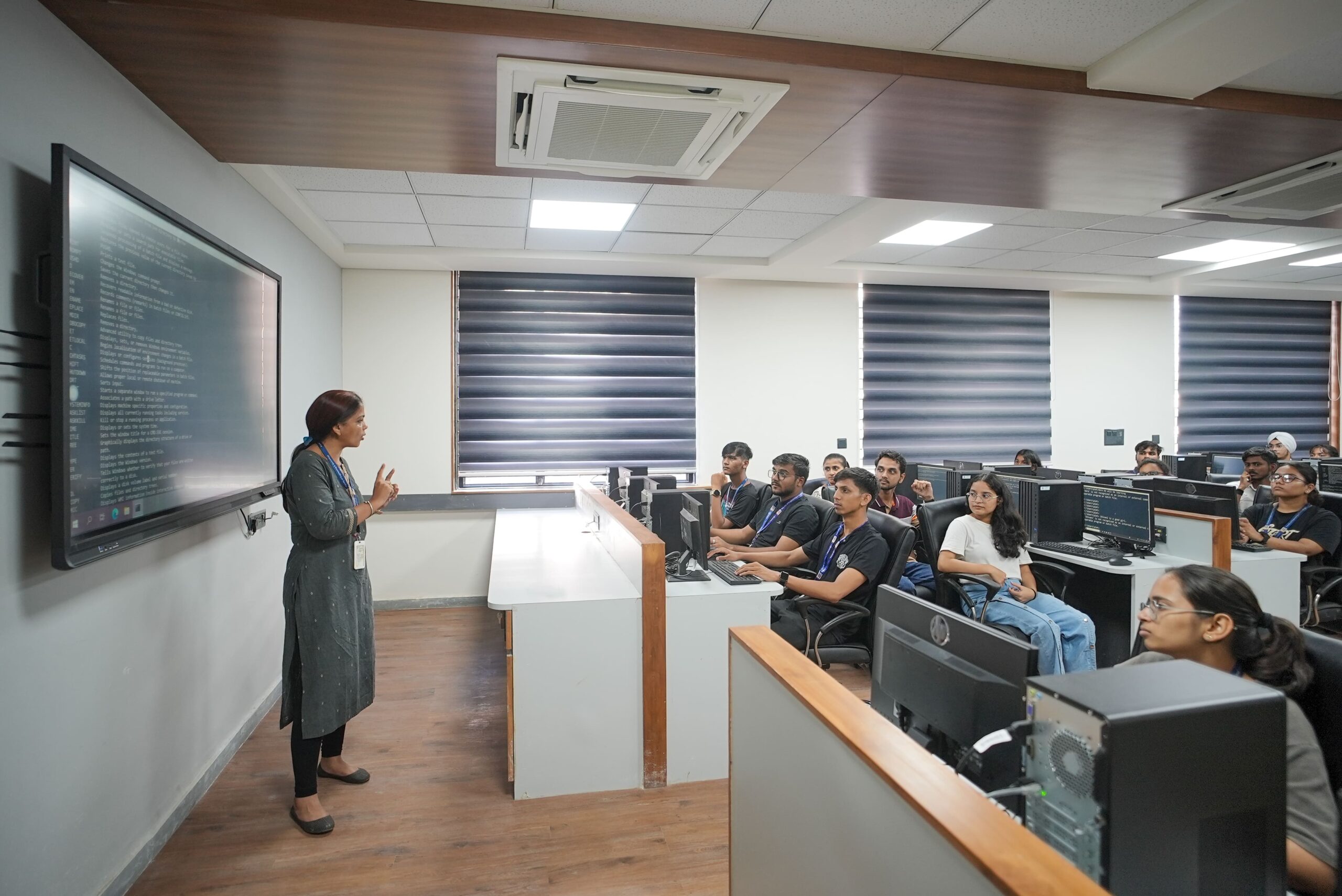
Tinkering Hub
A collaborative innovation studio where ideas evolve into prototypes, encouraging interdisciplinary creativity and problem-solving.
Computer Lab
Equipped with high-end systems and licensed software to facilitate programming, computational analysis, and digital experimentation.
Supercomputer Lab
Empowers advanced computation and data-intensive research through high-speed processing for AI, engineering, and scientific modelling.
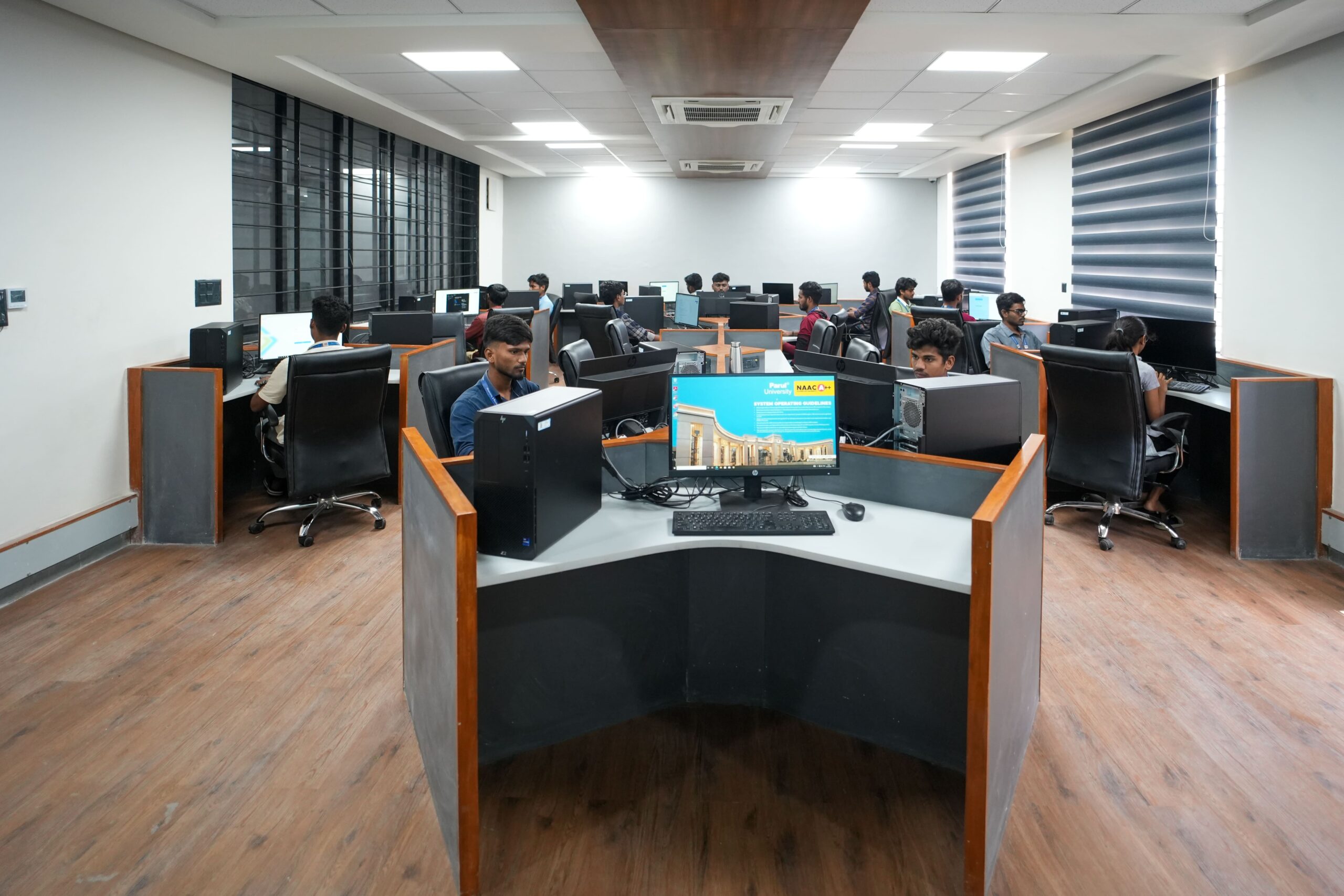
AR/VR Lab
Enables immersive learning through the creation and simulation of augmented and virtual environments for engineering and design.
Scholarships & funding
Financing and supporting your education
Get information on the various scholarships, grants, and student loans you can avail to fund your dream education.

Meritorious scholarships
Recognising academic excellence by providing scholarship opportunities to those who exceptionally pass board and entrance exams
Know more


Sports scholarships
Recognising athletic excellence by providing scholarship opportunities to those who have achieved distinction in sports at State, National, or International levels.
Know more

Alumni scholarships
Fostering lifelong connections by providing scholarship opportunities to the wards of PU alumni to continue the legacy of excellence.
Know more

Defense scholarships
Honoring the families of defense service persons by providing scholarship opportunities to their wards to study at PU
Know more

Stay up to date with Petroleum Engineering Trends
What Is Prompt Injection? AI Security in the Age of Agentic AI and MCP
As AI systems move from answering questions to taking actions, they become software that can be attacked. Prompt injection, now ranked the number-one risk to AI applications, is the central threat, and agentic AI and the Model Context Protocol expand the attack surface. Here is what it means, and how to defend against it.
B.Tech Petroleum vs Renewable Energy Engineering: Scope & Future
Explore the scope, career opportunities, industry trends, and future prospects of two important engineering disciplines shaping the energy sector.
Every Parul University Course Mapped to the IIMUN Hyderabad Leadership Tour Sessions: A Complete Course- Finder Guide for Students Inspired by DRDO, Saina Nehwal, IIIT Hyderabad, Microsoft, Dr Reddy’s, and MCEME.
Eleven sessions. Eleven programme mappings. If Dr Anuj Kumar Varshney’s DRDO session inspired you, the course is B.Tech ECE or M.Sc Physics. If Saina Nehwal’s discipline appeals, look at B.PEd or Sports Scholarship.
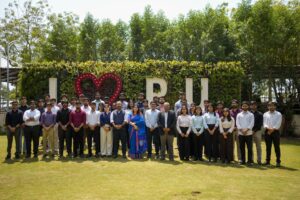
Parul University GATE 2026: 69 Qualifiers, 9 Students in All India Top 1000
Parul University, Vadodara, celebrated 69 GATE 2026 qualifiers, with 9 students securing ranks within the All India Top 1000.

