To be a distinguished institute of technology committed to technological advancement, innovation, and research, delivering industry-oriented education to develop skilled professionals with ethical values contributing to society.
To impart value-based quality technical education with strong fundamentals and advanced knowledge through modern teaching-learning processes and state-of-the-art laboratories.
To promote research, innovation, and industry interaction for developing practical, sustainable, and interdisciplinary solutions to real-world challenges.
To develop skilled, employable, and responsible professionals with ethical values, leadership qualities, and a commitment to lifelong learning.
To inculcate the academic excellence in the field of biotechnology by creating skilled biotechnology professionals who can revolutionize, discover, design and formulate the valuable biological products and solutions for the welfare of the society and the environment.
To develop young enthusiastic biotechnologists who can work in the bio-industry or multidisciplinary areas and contribute to the progress of the nation through research and development.
To build ethically strong biotechnologists who have moral responsibilities towards the growth of the nation.
To impart the knowledge among students at par the need of the biotechnology industries and undertake the collaborative research challenges which provides long term relation between academia and industry.
PEO 1 Pursue a successful career in engineering involving professional knowledge and skills for analysis, design and solution of real-time engineering problems.
PEO 2 Excel in a professional career with sound fundamental knowledge and pursue lifelong learning, including higher education and research.
PO1 Engineering Knowledge: Apply the knowledge of mathematics, science, engineering fundamentals and engineering specialization to the solution of complex engineering problems.
PO2 Problem Analysis: Identify, formulate, review research literature, and analyze complex engineering problems reaching substantiated conclusions using first principles of mathematics, natural sciences, and engineering sciences.
PO3 Design/Development of solutions: Design solutions for complex engineering problems and design system components or processes that meet the specified needs with appropriate consideration for the public health and safety, and the cultural, societal, and environmental considerations.
PO4 Conduct investigations of complex problems: Use research-based knowledge and research methods including design of experiments, analysis and interpretation of data and synthesis of the information to provide valid conclusions.
PO5 Modern tool usage: Create, select, and apply appropriate techniques resources, and modern engineering and IT tools including prediction and modeling to complex engineering activities with an understanding of the limitations.
PO6 The engineer and society: Apply reasoning informed by the contextual knowledge to assess societal, health, safety, legal and cultural issues and the consequent responsibilities relevant to the professional engineering practices.
PO7 Ethics: Apply ethical principles and commit to professional ethics and responsibilities and norms of the engineering practice.
PO8 Individual and team work: Function effectively as an individual and as a member or leader in diverse teams and in multidisciplinary settings.
PO09 Communication: Communicate effectively on complex engineering activities with the engineering community and with society at large, such as, being able to comprehend and write effective reports and design documentation, make effective presentations and give and receive clear instructions.
PO10 Project management and finance: Demonstrate knowledge and understanding of the engineering and management principles and apply these to one’s own work, as a member and leader in a team, to manage projects and in multidisciplinary environments.
PO11 Life-long learning: Recognize the need for, and have the preparation and ability to engage in independent and life-long learning in the broadest context of technological change.
PSO 1: Apply professional knowledge and technical skills to analyze, design, and solve real-world engineering problems in biotechnology.
PSO 2: Conduct research-driven experimental designs, perform diverse biological data analyses, and interpret results to advance developments in biotechnology industries and research institutions.
Program details overview
Bachelor of Technology in Biotechnology
The Bachelor of Technology in Biotechnology program at Parul University provides students with educational opportunities to create innovative solutions for healthcare and agricultural and environmental sustainability problems. Through its program students learn to combine biological studies with technological fields to create solutions which enhance human life and solve worldwide problems.
The students acquire comprehensive knowledge of molecular biology and genetics research and microbiological studies and biochemical engineering principles. The biotechnology field directly supports drug development and genetic engineering and biofuel production and sustainable agricultural practices through its ongoing technological advancements.The program uses theoretical instruction together with laboratory practice to equip students for future work in life sciences and technological research.
Here is how you can study this program

Bachelor of Technology in Biotechnology
The 4-years Bachelor of Technology in Biotechnology blends biological sciences with engineering principles, offering a deep dive into cellular biology, genetic engineering, and bioprocess technology. The program prepares students for dynamic roles in pharmaceuticals, agriculture, healthcare, and bio-research industries through hands-on lab work and interdisciplinary learning.
Secure your place
25th August 2026
Applicable deadline
25th August 2026
Batch Commencing
8th July Onwards
Duration
4 years
Credits
180
Seats
60
Fee
1,75,000/- Per Annum
Language
English
Eligibility Criteria
Candidate shall have passed 12th Science with Physics and Chemistry as compulsory subject with Mathematics/Biology/Computer Science/Information practice with 45% for general and 40% for reserved category in theory or theory + practical from recognized board.
*Tuition Fees may vary depending on the Country/State in which the candidate has passed their qualifying examination.
Bachelor of Technology in Biotechnology
This pathway is designed for diploma holders or professionals with relevant experience to directly join the second or third year of the B.Tech program. The lateral entry track enhances core competencies in biotech processes, bioinformatics, and molecular tools, enabling accelerated career growth in the life sciences and biotech sectors.
Secure your place
25th August 2026
Applicable deadline
25th August 2026
Batch Commencing
8th July Onwards
Duration
3 Years
Credits
180
Seats
60
Fee
1,75,000 Per Annum
Language
English
Eligibility Criteria
Candidate shall have passed Diploma engineering with 45% for Open Category and 40% for( SC/ST/SEBC) and can get admission in 2nd year of B.Tech (Lateral Entry) (Candidate can change the specialization from diploma to degree)
*Tuition Fees may vary depending on the Country/State in which the candidate has passed their qualifying examination.
Bachelor of Technology in Biotechnology
Parul University’s global degree model equips students with an international perspective through study-abroad opportunities, joint degree programs, and academic collaborations with universities worldwide. This global exposure ensures students gain cross-cultural experiences and industry-aligned skills to thrive in international biotech, research, and innovation ecosystems.
Secure your place
25th August 2026
Applicable deadline
25th August 2026
Batch Commencing
8th July Onwards
Duration
2+2 Years
Extend Your Learning, Walk Away with Dual Degrees
While you are studying your main degree, you can also study another degree as a dual degree program which provides you an opportunity to explore multiple fields of study. With Dual Degree you can study your main degree in physical mode and your second degree in hybrid mode with adjustable study hours
Why study this program
Be a part of a engaging learning atmosphere that gives you the tools to excel in the career of your choice.
Biology and Technology
B.Tech in Biotechnology prepares students to apply engineering principles to biological systems, driving advancements in healthcare, agriculture, and environmental sustainability.
High-Demand
Biotechnology professionals are in demand in pharmaceuticals, genetic engineering, food technology, biofuels, and research-driven industries.
Practical Learning
Students gain hands-on training in genetic engineering, fermentation, molecular biology, and bioprocessing through guided experiments and live projects.
Modern Infrastructure
Parul University offers modern biotech labs equipped with PCR machines, fermenters, spectrophotometers, and cell culture facilities to support experiential learning.
Advanced Learning at PU
The program blends biology, chemistry, and technology through courses like molecular biology, immunology, bioinformatics, bioprocess engineering, and environmental biotechnology.

What you can become after studying Biotechnology?

Biotechnologist

Genetic Engineer

Bioprocess Engineer

Clinical Research Coordinator

Research Scientist

Agricultural Biotech Officer
Here is the Important Information you need to Know
Find out if this is the right course for you.
Find out if this is the right course for you.

Download curriculum
Get a complete overview of what you’ll learn, the skills you’ll build, and how the program shapes your academic journey.


Download teaching scheme
Understand how your learning is structured, from subject flow to timelines, designed to keep your progress clear and consistent.

Download faculty details
Discover the experts behind your education: their experience, specialisations, and the knowledge they bring into the classroom.
Download curriculum
Get a complete overview of what you’ll learn, the skills you’ll build, and how the program shapes your academic journey.
Download teaching scheme
Understand how your learning is structured, from subject flow to timelines, designed to keep your progress clear and consistent.
Download faculty details
Discover the experts behind your education: their experience, specialisations, and the knowledge they bring into the classroom.
Launch your career with our leading placements
We provide you with leading placement opportunities before you graduate, with the best career training and an exposure to leading recruiters.
4-6 LPA
Average Package
2,200+
Recruiters
60* LPA
Highest Package Offered

Give your future career a head start
Explore our facilities & resources for this program
Automobile Engineering Lab
Combines theory and practice in vehicle mechanics, design innovation, and performance testing under simulated industry conditions.

Nanotechnology Lab
A research-oriented lab advancing studies in nanoscale materials, sensors, and technologies for futuristic engineering solutions.
Cloud Computing Lab
Explores distributed computing systems, cloud architecture, and virtualization through hands-on server-based simulations.
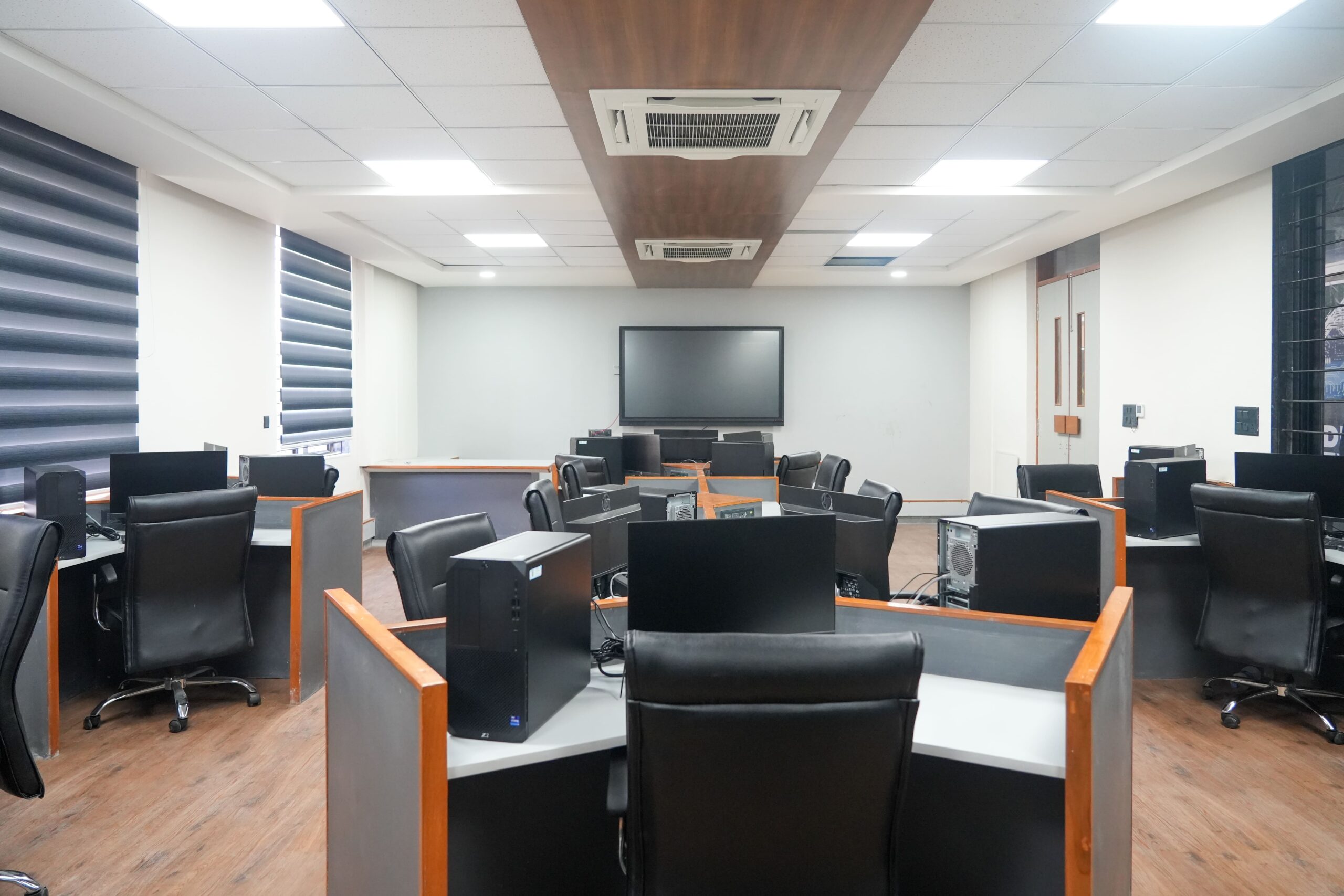
Internet of Things (IoT) Lab
Integrates sensors, networks, and intelligent devices to build smart solutions for automation and real-time connectivity.
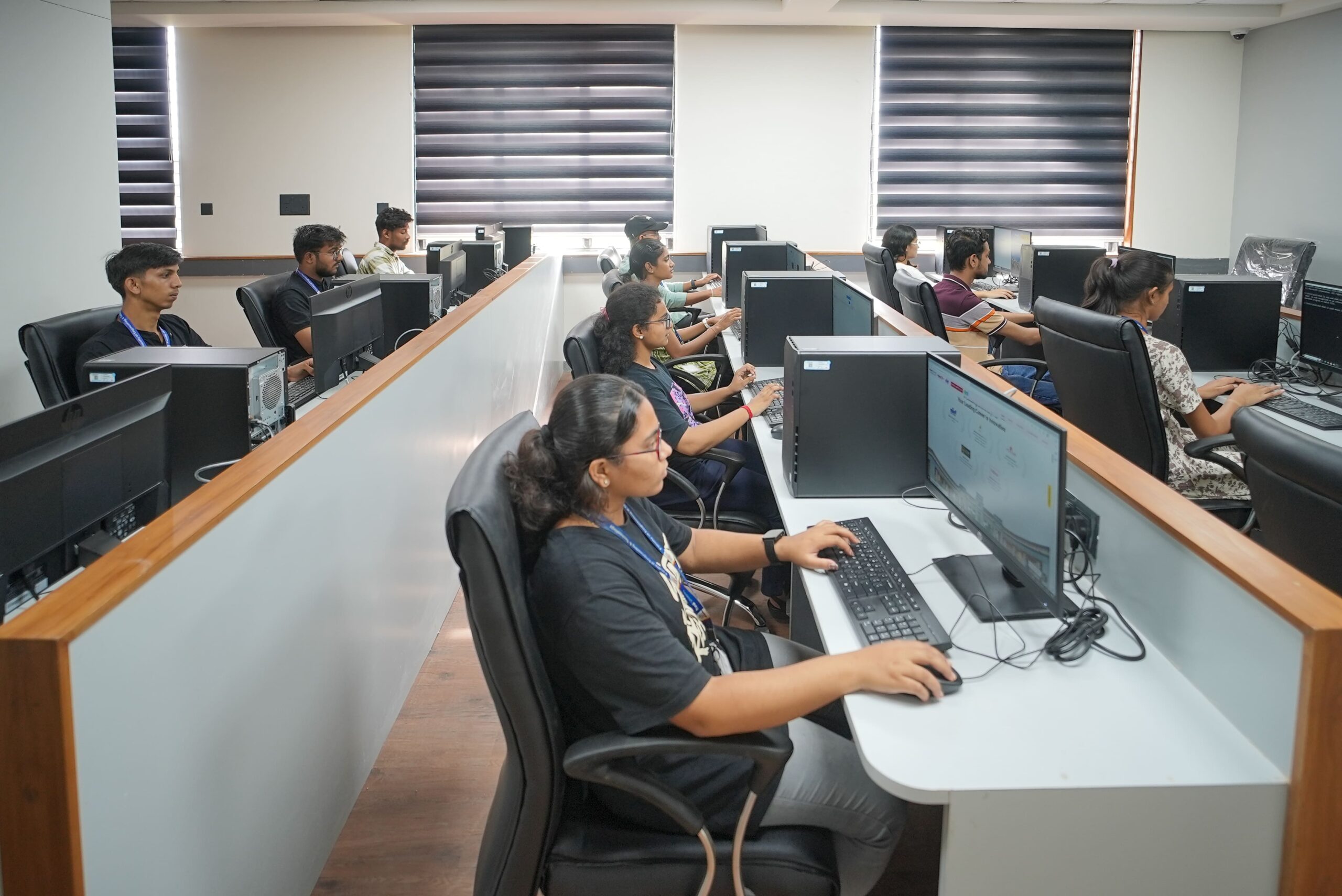
Network Architecture Lab
Offers a dynamic environment for designing and analyzing enterprise-level network systems and security configurations.

Extended Reality & Game Lab
Encourages experimentation in immersive storytelling and interactive media through AR, VR, and game design tools.
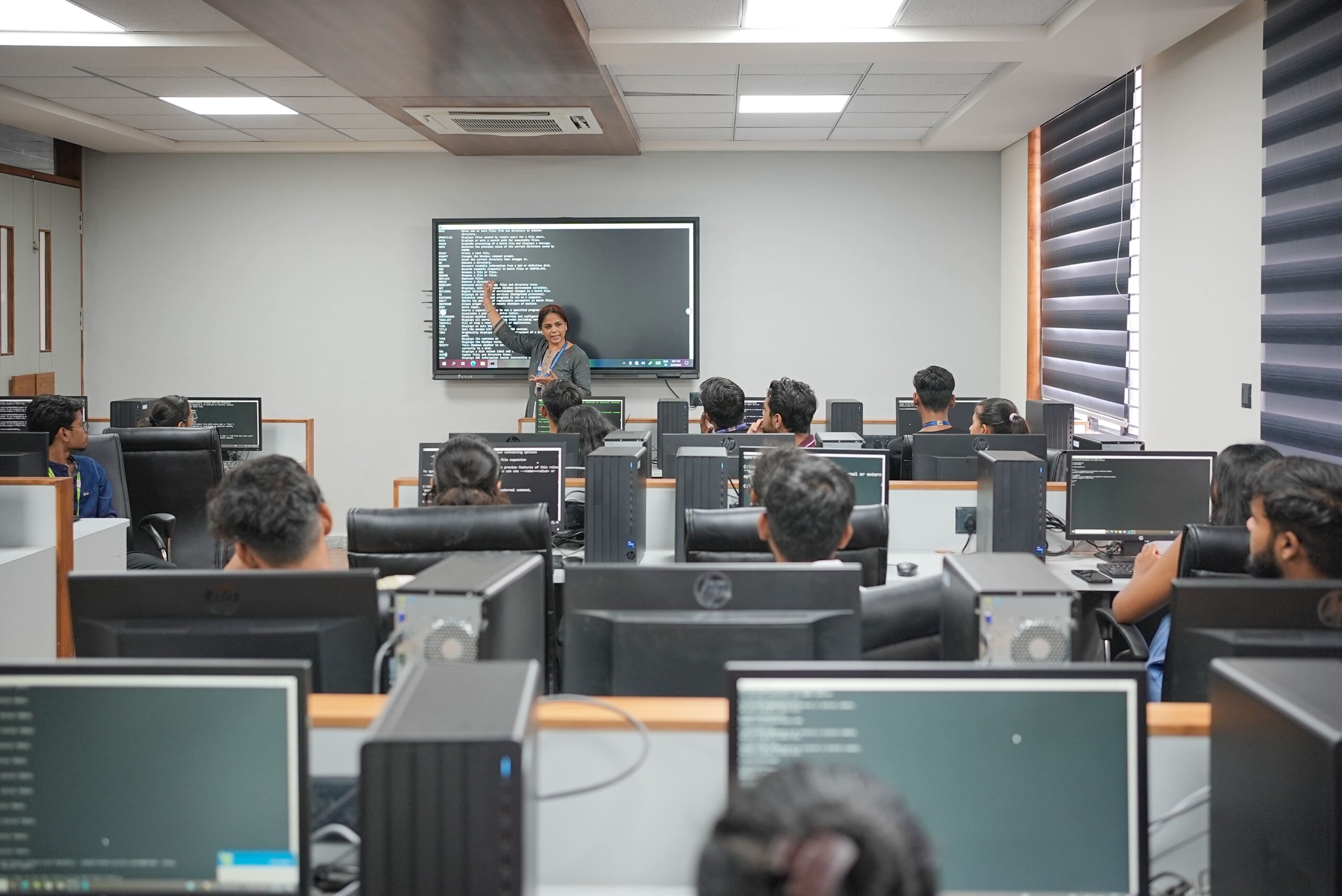
Civil Surveying Lab
Provides training in geospatial mapping and land surveying using modern equipment and digital measurement systems.
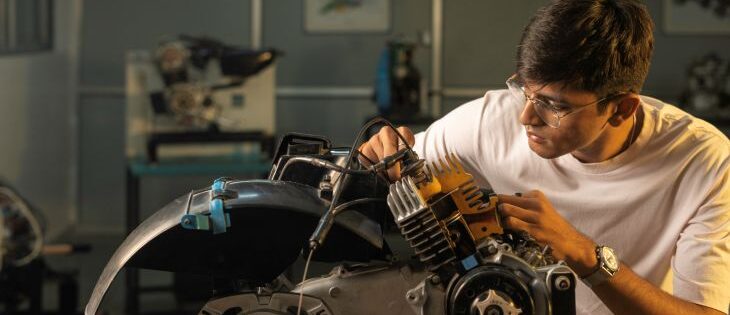
Aircraft Maintenance & Repair Lab
Replicates real-world aviation environments, allowing students to engage with aircraft systems and maintenance technologies.
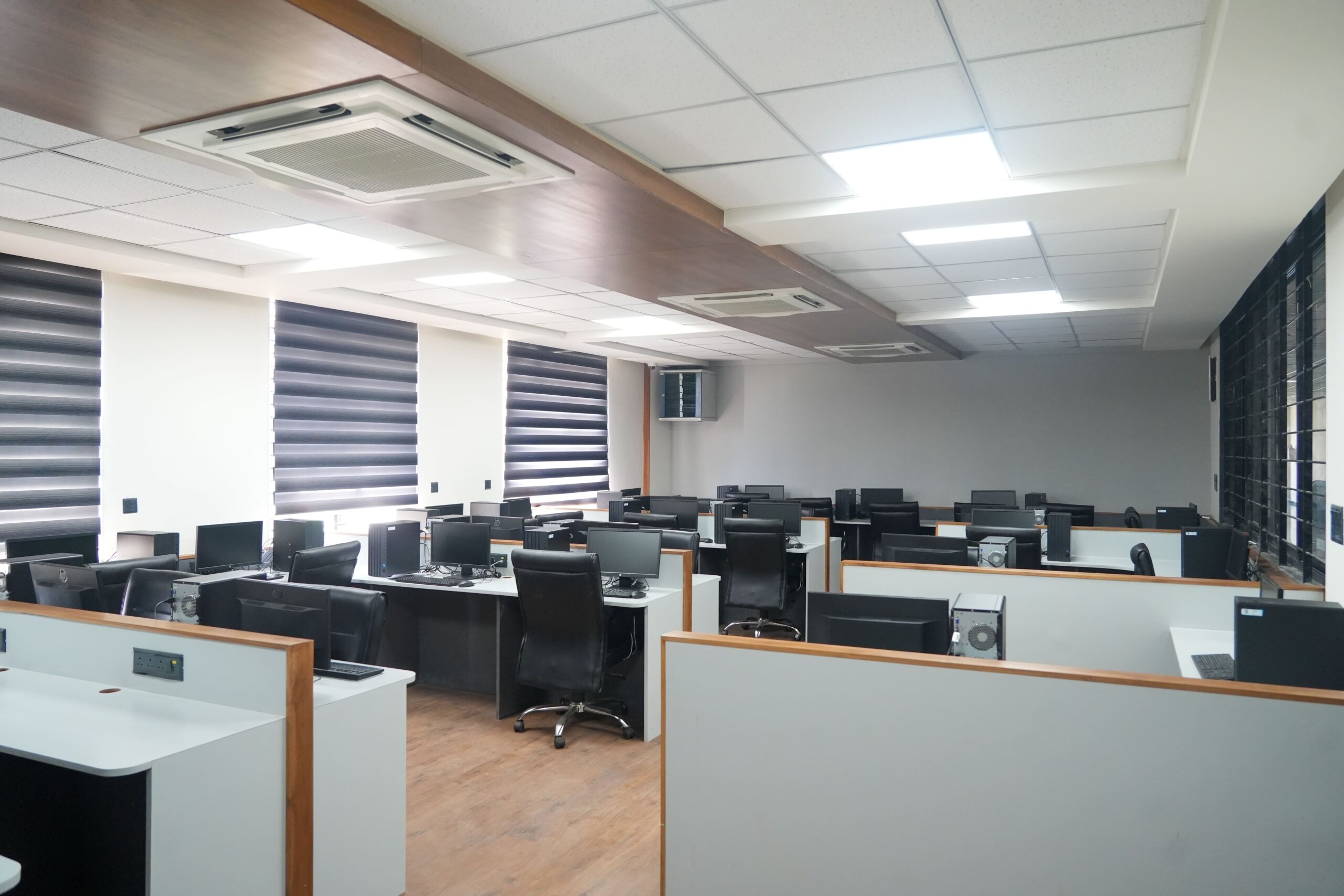
Fab Lab
A digital fabrication space that nurtures innovation through 3D modelling, CNC machining, and hands-on prototyping.
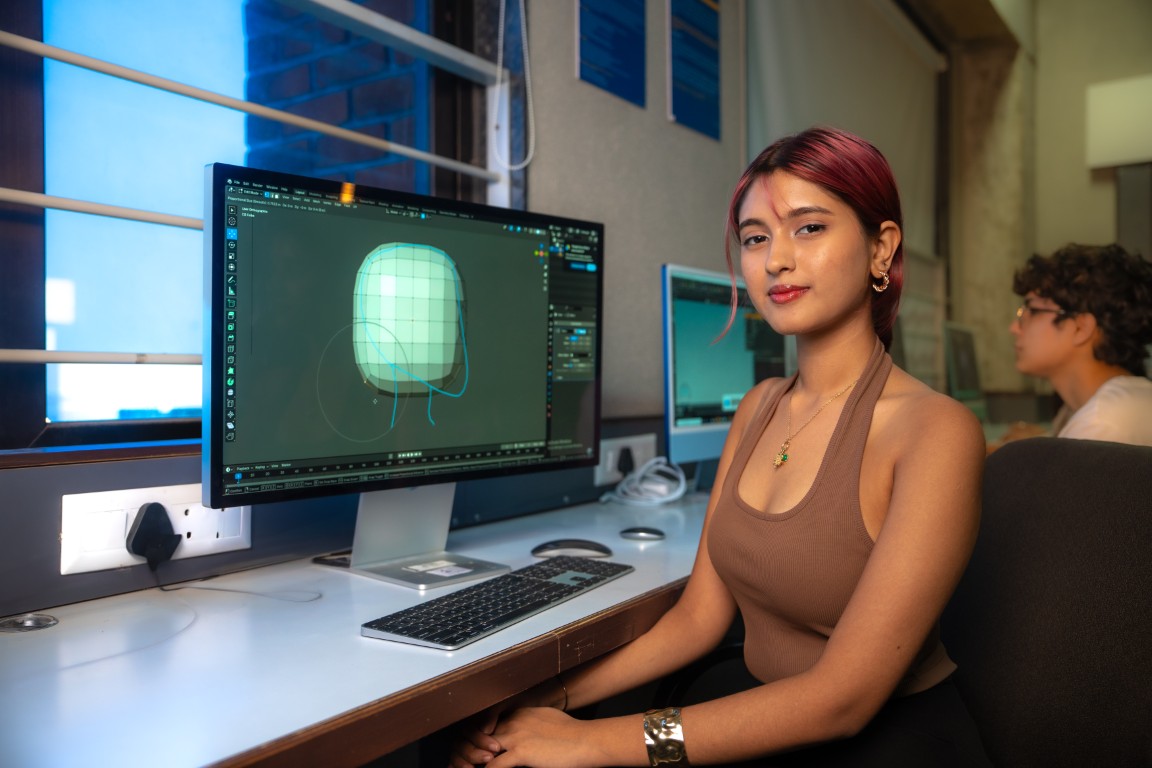
3D Printing Lab
Bridges design and production by allowing students to translate digital concepts into tangible prototypes with precision.
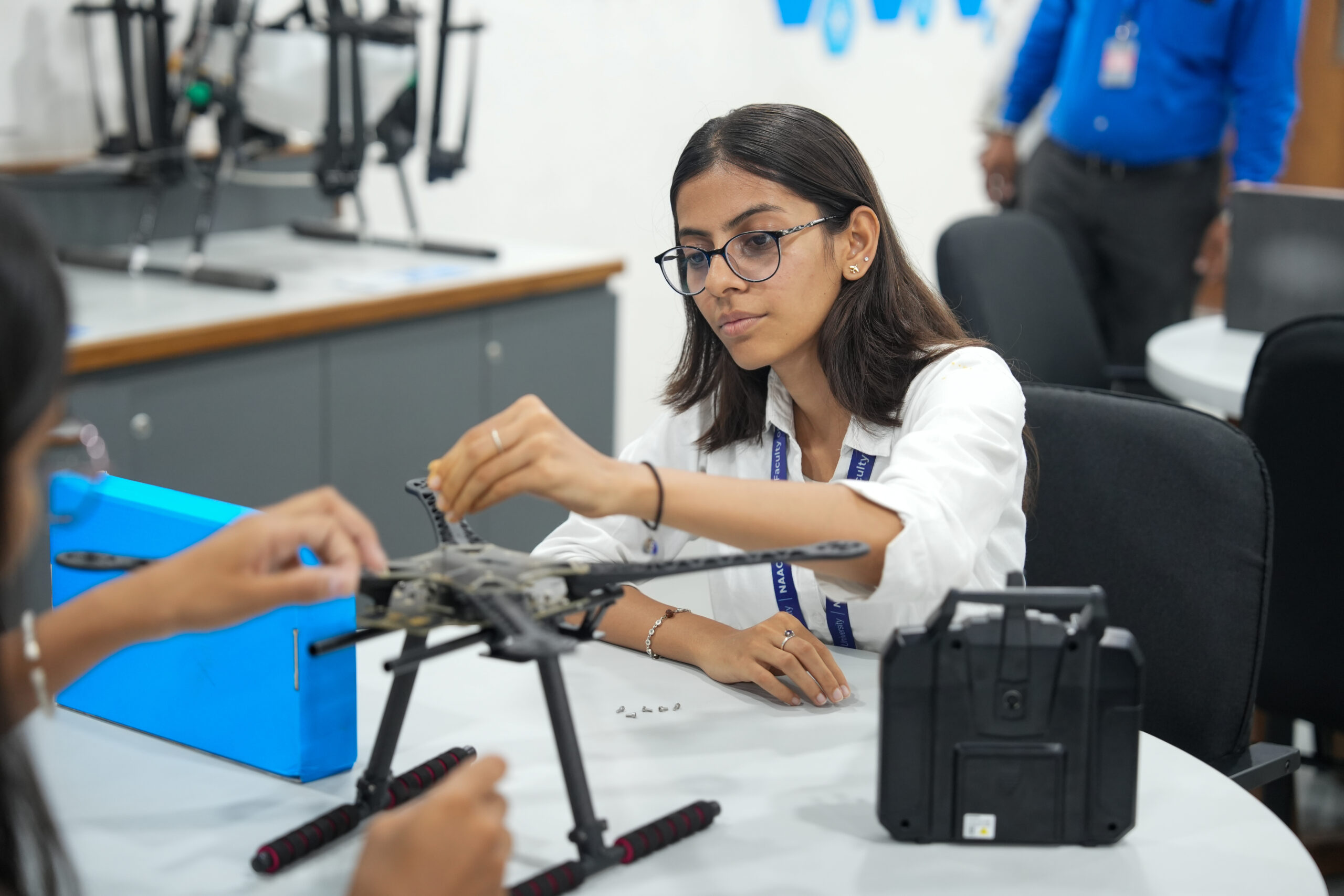
UAV/Drone Lab
Trains students in drone design, programming, and deployment for applications across engineering, agriculture, and logistics.
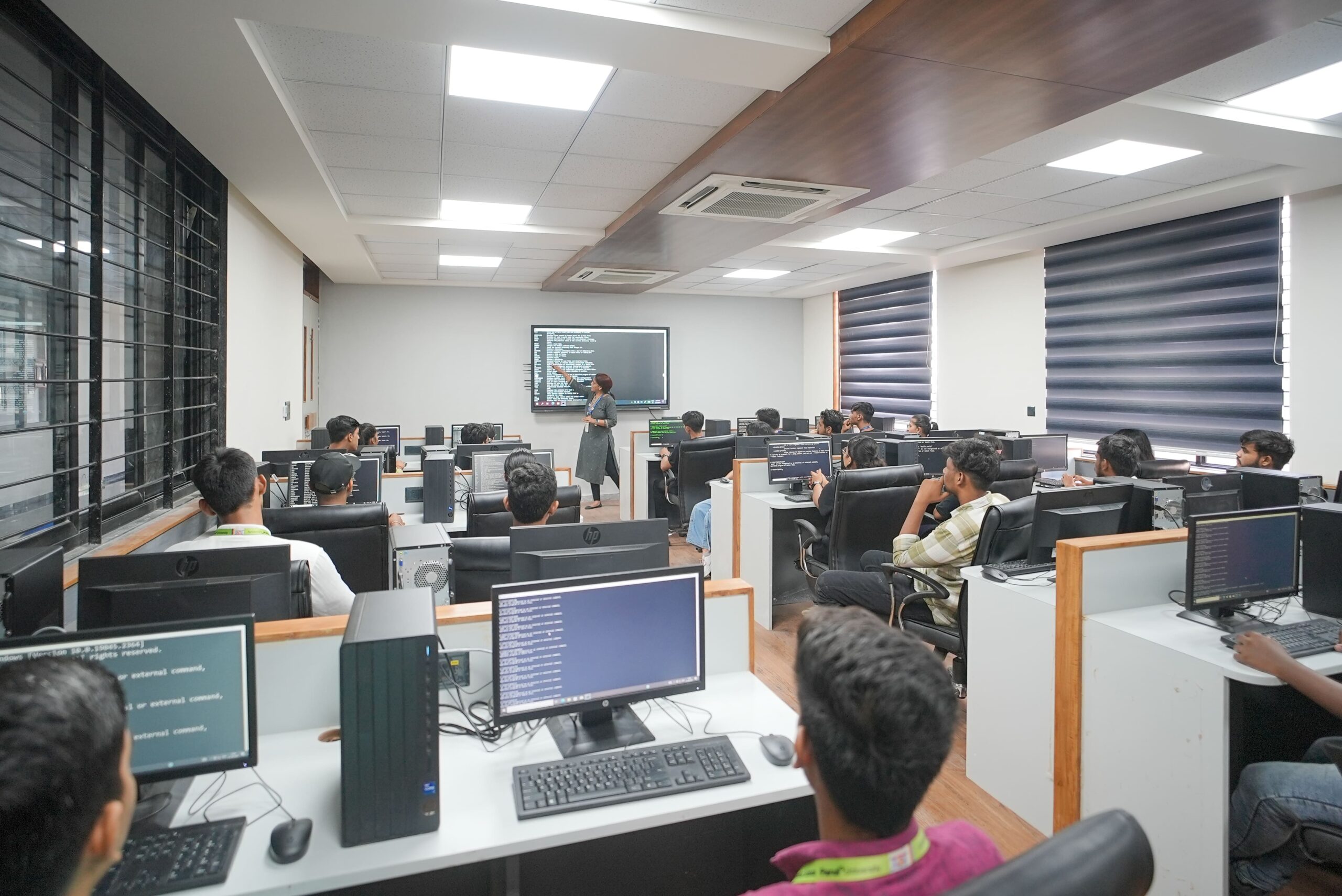
Cyber Security Lab
Designed for hands-on training in ethical hacking and digital forensics, ensuring students learn to safeguard modern digital infrastructures.
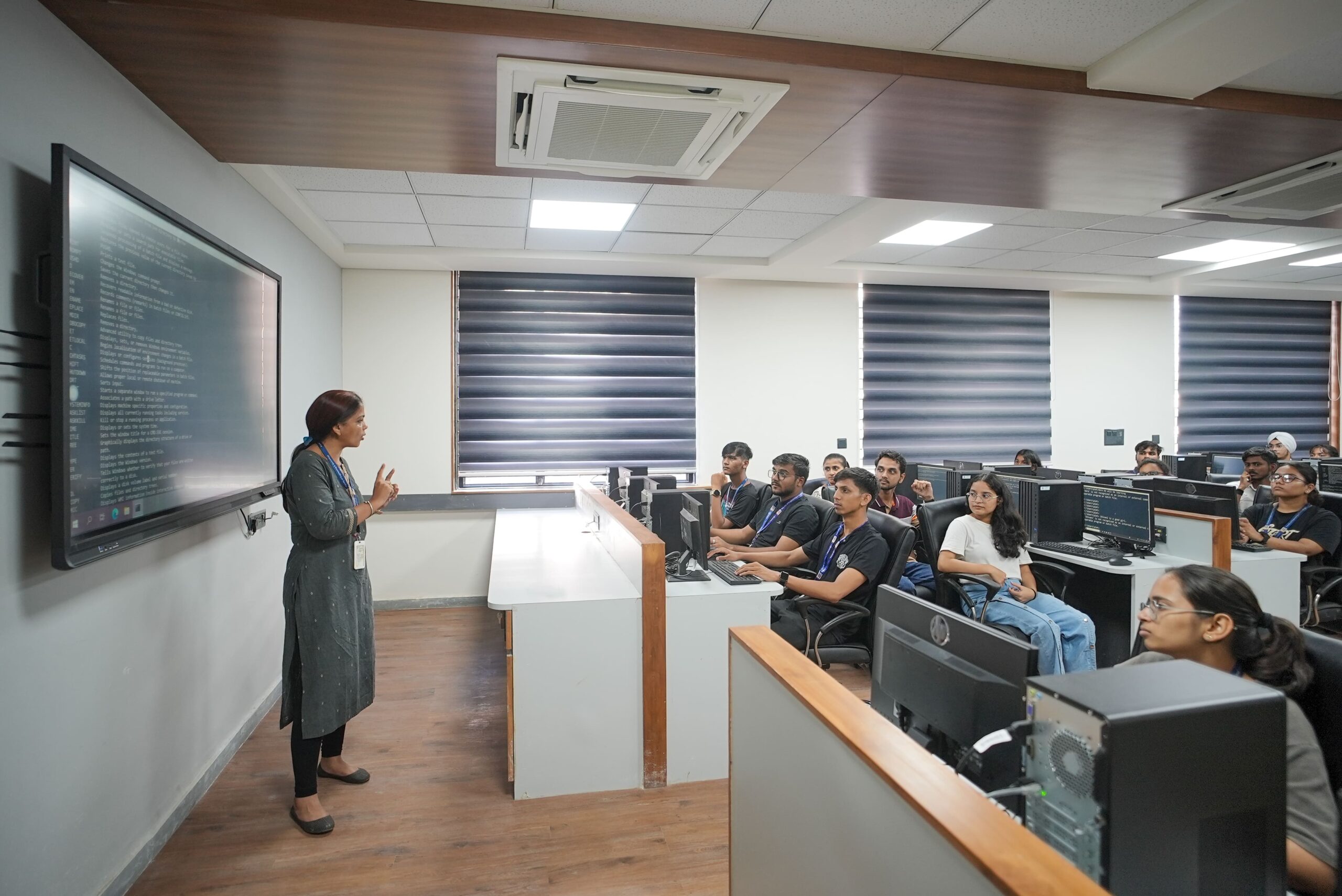
Tinkering Hub
A collaborative innovation studio where ideas evolve into prototypes, encouraging interdisciplinary creativity and problem-solving.
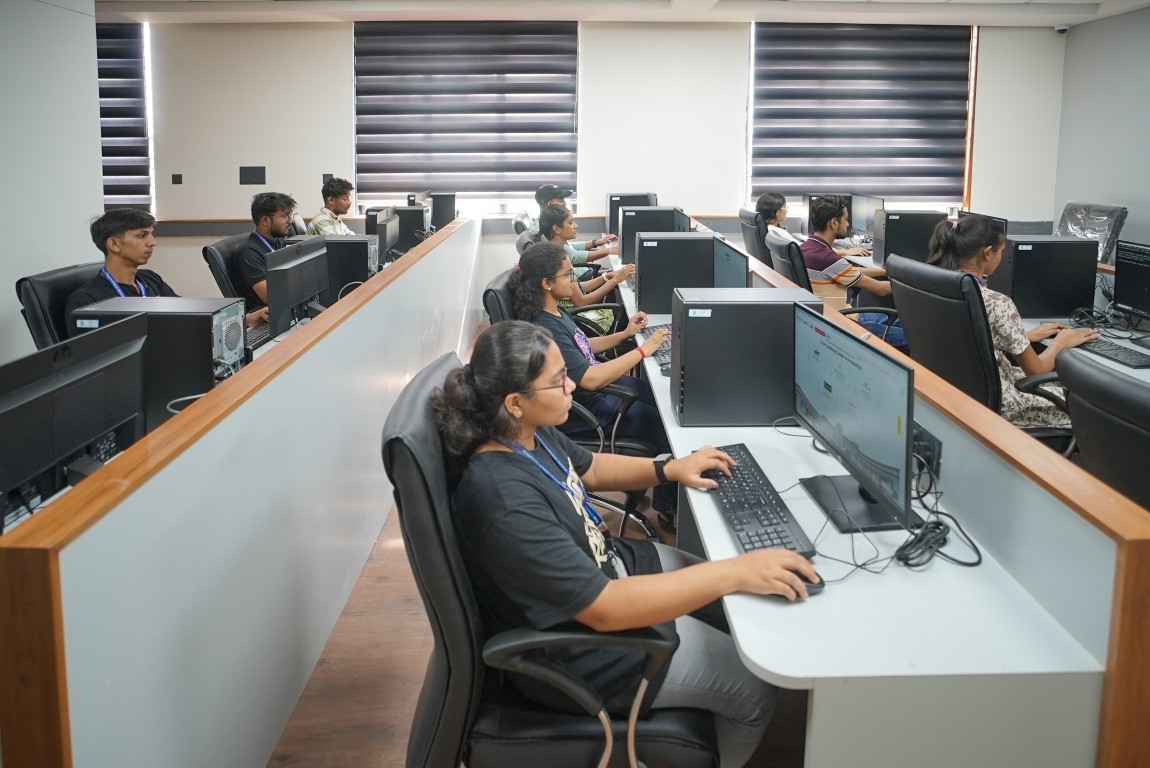
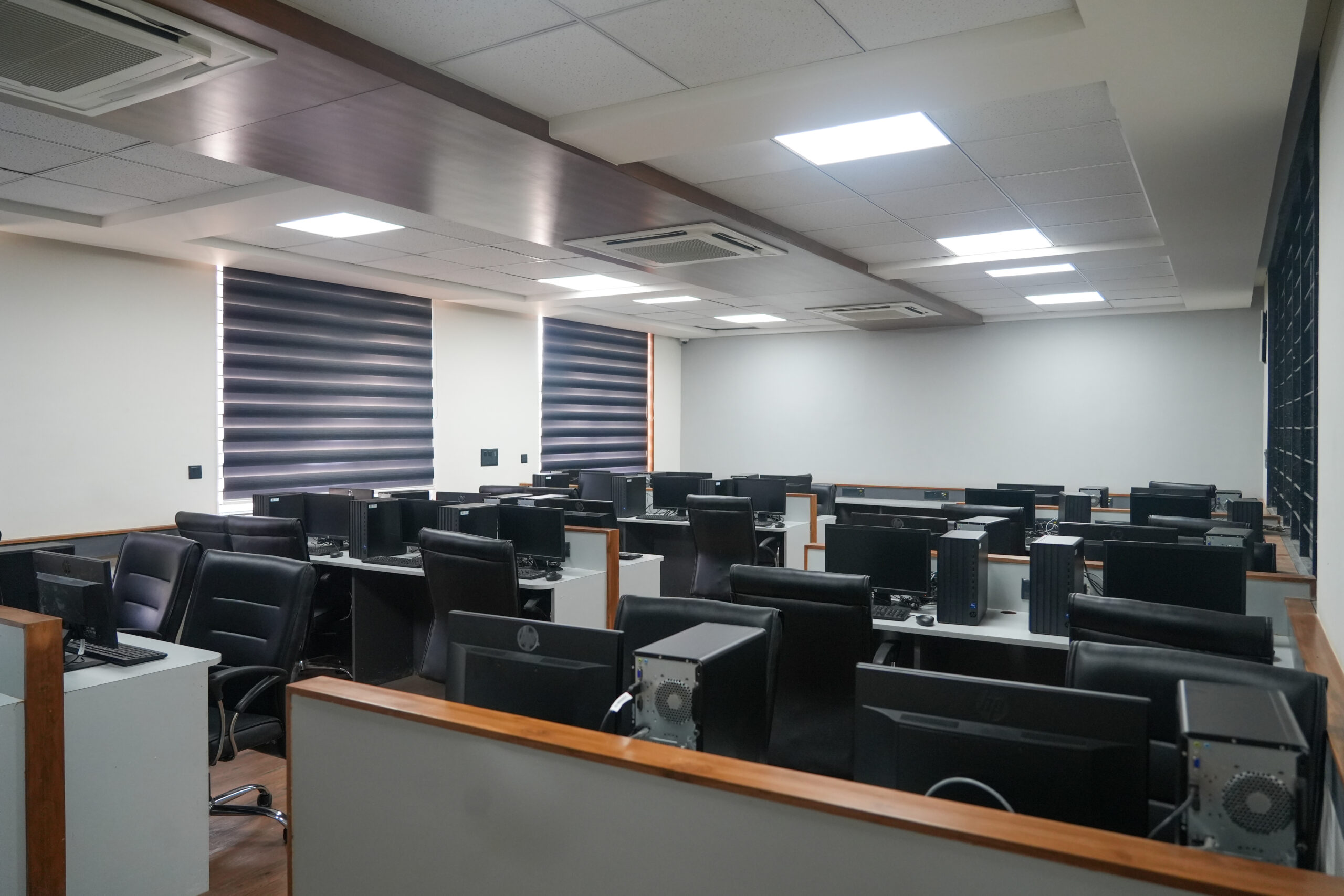
Computer Lab
Equipped with high-end systems and licensed software to facilitate programming, computational analysis, and digital experimentation.
Supercomputer Lab
Empowers advanced computation and data-intensive research through high-speed processing for AI, engineering, and scientific modelling.
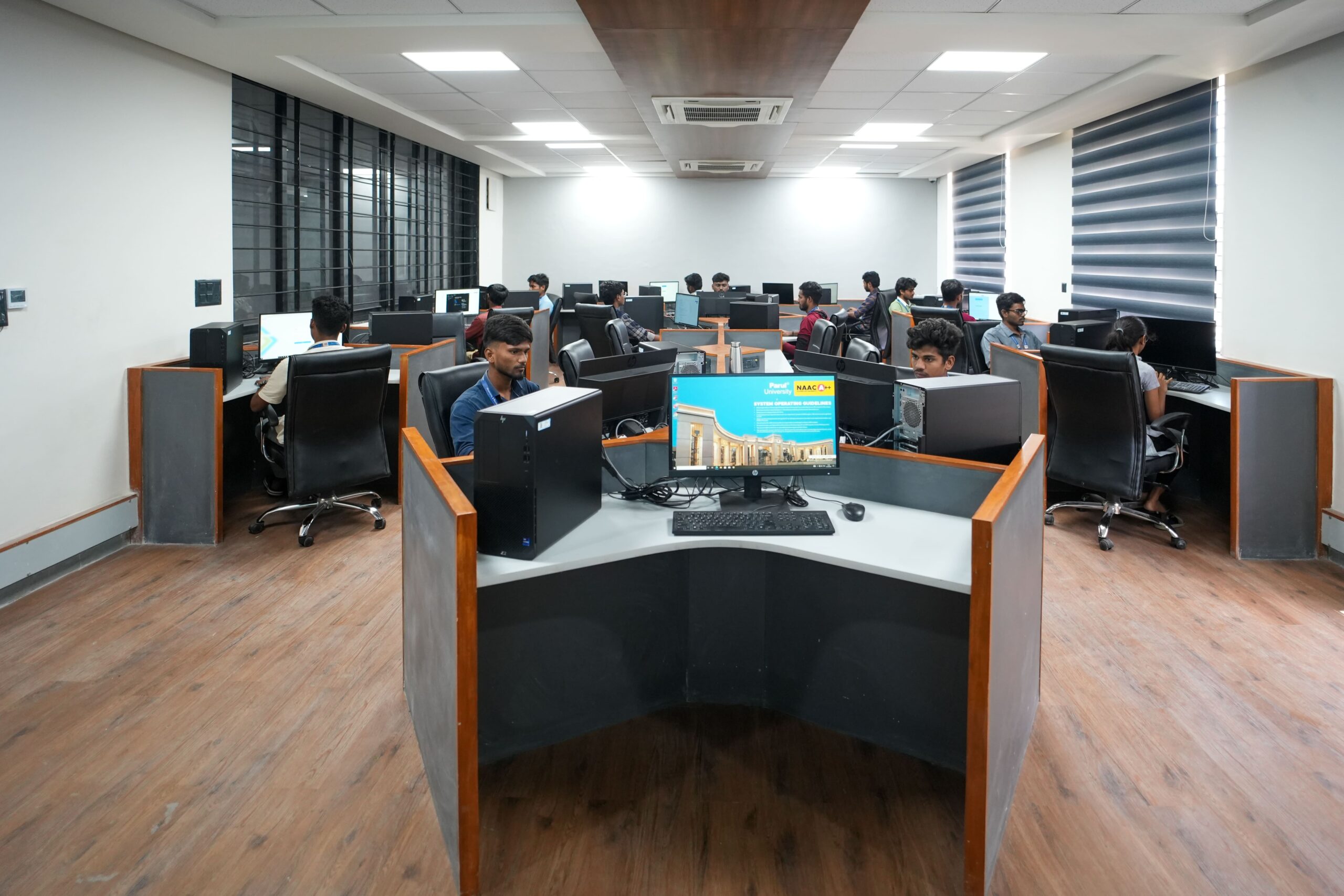
AR/VR Lab
Enables immersive learning through the creation and simulation of augmented and virtual environments for engineering and design.
Scholarships & funding
Financing and supporting your education
Get information on the various scholarships, grants, and student loans you can avail to fund your dream education.

Meritorious scholarships
Recognising academic excellence by providing scholarship opportunities to those who exceptionally pass board and entrance exams
Know more


Sports scholarships
Recognising athletic excellence by providing scholarship opportunities to those who have achieved distinction in sports at State, National, or International levels.
Know more

Alumni scholarships
Fostering lifelong connections by providing scholarship opportunities to the wards of PU alumni to continue the legacy of excellence.
Know more

Defense scholarships
Honoring the families of defense service persons by providing scholarship opportunities to their wards to study at PU
Know more

Stay up to date with Biotech Trends
What Is Prompt Injection? AI Security in the Age of Agentic AI and MCP
As AI systems move from answering questions to taking actions, they become software that can be attacked. Prompt injection, now ranked the number-one risk to AI applications, is the central threat, and agentic AI and the Model Context Protocol expand the attack surface. Here is what it means, and how to defend against it.
Dr Sanjiv Kumar Mishra of Sea Pearl Biotech Delivers Industry Session at MNRDC Parul University on Blue-Green Innovation in Algal Manufacturing for Health, Nutrition, and Sustainability: From Spirulina’s Resource Efficiency Advantage at 10 Times Less Land Water and Energy Through the Global Market at 65,000 Tonnes Annual Production and 5 Billion Dollar Five-Year Projection to India’s 2,000 Tonne Position, Sea Pearl Biotech’s Pond-to-Powder Turnkey Approach, and Emerging Spirulina Applications Across Anganwadis, Indian Poultry, and Hydroponics
Dr Sanjiv Kumar Mishra, the Director of Sea Pearl Biotech, attended a 3-day workshop on Microbial Cell Factories at MNRDC, Parul University. As held on 13th June 2026, he spoke on Spirulina’s nutritional & resource-based profile, how the global market is positioned at 65,000 tonnes, and Sea Pearl Biotech’s pond-to-powder approach and applications.
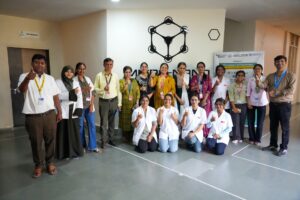
Meet Dr Puja Sandhbor from Tata Memorial Centre ACTREC, she visited MNRDC at Parul University for delivering an expert session on Emerging Applications of Nanomedicine and Biopolymers in Precision Cancer Challenge of Tumor Heterogeneity & ABC Transporter Drug. She even explained 2 success stories.
Meet Dr Puja Sandhbor from Tata Memorial Centre ACTREC, she visited MNRDC at Parul University for a 3-day workshop on Microbial Cell Factories. On the 2nd Day, the session covered how nanomedicine and biopolymers in precision cancer therapy works at all levels. Read the entire coverage on liposomal DOXIL, mRNA COVID vaccines, glioblastoma research, biopolymeric hydrogels, and translation pipeline of bench to bed!
MNRDC of Parul University takes a sheer pride in hosting a workshop on Microalgae Cultivation. 3 days of non-stop hands-on experiential learning with BG-11 media preparation, chlorella vulgaris, chlorella minutissima cultivation via autotrophic heterotrophic and mixotrophic modes and the research list is endless.
Read ahead a detailed coverage on how a 3-day workshop on Microalgae Cultivation went. As exclusively hosted by MNRDC of Parul University on 11th to 13th June 2026, Dr Anwesha explained to students via BG-11 media preparation, chlorella vulgaris and chlorella minutissima cultivation across all the modes.
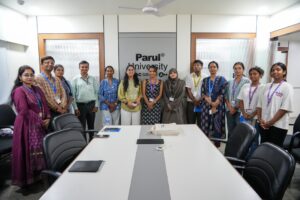
MIC Antimicrobial Assay Workshop was hosted by the MNRDC of Parul University and PIAS -during 3 constant days of hands-on testing, experimenting and gaining new knowledge. From 96-well plate two-fold serial dilution, Mueller-Hinton broth preparation, UV-Vis spectrophotometric analysis to the percentage of inhibition calculation, read ahead for the full coverage!
MIC (Minimum Inhibitory Concentration) Antimicrobial Assay Workshop at MNRDC Parul University, 11-13 June 2026: Dr Juhi Saxena led students through Mueller Hinton broth preparation, 96-well plate two-fold serial dilution from 32 to 0.0625 micrograms per ml of Cefixime and Azithromycin, inoculation with E. coli and S. aureus, 18-24 hour incubation at 37 degrees Celsius, UV-Vis spectrophotometric OD measurement, and percentage inhibition calculation.
MNRDC at Parul University Delivers Three-Day Hands-On Workshop on Microbial Cell Factories From Lab to Public Health Solutions: MIC Antimicrobial Assay With Cefixime and Azithromycin, Microalgae Cultivation From BG-11 Media to Bligh and Dyer Lipid Extraction, Expert Sessions From Dr Puja Sandhbor of Tata Memorial ACTREC on Nanomedicine in Cancer Therapy and Dr Sanjiv Kumar Mishra of Sea Pearl Biotech on Spirulina Manufacturing
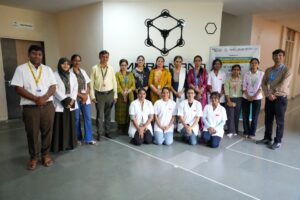
Micro Nano Research and Development Centre (MNRDC) at Parul University conducted a three-day hands-on workshop on Microbial Cell Factories from 11 to 13 June 2026 in collaboration with Shri B V Patel Education Trust. Led by Dr Juhi Saxena and Dr Anwesha, the workshop covered MIC antimicrobial assays, Chlorella microalgae cultivation, lipid extraction, and expert sessions from Tata Memorial ACTREC and Sea Pearl Biotech.
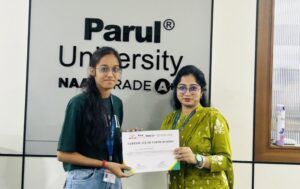
How the Five MNRDC Research-Cadre Faculty Turned a Single Day Into Working Instrument Training for Seventeen Students: Inside the Three Rotating Hands-On Stations on SEM Micrography of Microbial Cells, Microalgae Cultivation, UV-FTIR Spectroscopy, Atomic Force Microscopy, and Sputtering at Parul University’s Micro-Nano Research and Development Center
After morning sessions on microbial bioactives and engineered biofactories, the MNRDC research cadre (Dr. Mahendra Singh Rathore, Vishal Mehta, Meenu Khan, Anwesha Khanra, and Mohit Tannarana) ran three afternoon stations on SEM, microalgae, UV-FTIR, AFM, and sputtering.
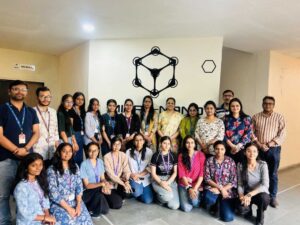
MNRDC’s Bio-foundry workshop – unveil the core science behind SCFAs, Gut Health and Chronic Disease. Learn how Acetate, Propionate, & Butyrate regulate immunity, protect cells from oxidative damage, influence cognition, & link microbiome health to chronic disease across inflammatory bowel disease, diabetes and cardiovascular disease.
Discover how MNRDC helps researchers in solving complex health challenges. In a one-day workshop on bio-foundry, Parul University’s students discovered the core science behind SCFAs, gut health and chronic diseases. They even discovered short-chain fatty acids are the best characterised class of microbial metabolites in human health, regulating immunity, cytoprotection and the gut-brain axis!
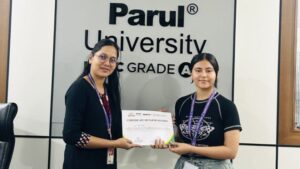
Dr Gunjan Sharma of Gujarat Biotechnology University spoke to 17 Parul University students at a one-day workshop on microbial cells as green bio-foundries, including biofactories across 5 biological kingdoms. She explained the entire framework of bacterial, fungal, yeast, algal, and plant biofactories, biosynthetic gene clusters, the OSMAC approach, and holistic post-chemical thesis.
Dr Gunjan Sharma, an assistant professor at Gujarat Biotechnology University, GIFT City, Gandhinagar, spoke about Biotechnology’s history, that traced back to 10,000 BCE to engineering strain design in just one hour. She even spoke about research possibilities with MNRDC, Parul University, as well. Read ahead the full coverage!
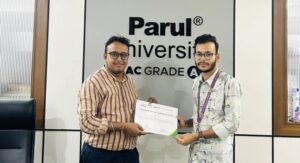
Microbial Bioactives, Reactive Oxygen Species, and the Dysbiosis Disease Map: How Dr. Anupam Jyoti, Chief Research Officer at Parul University’s Faculty of Applied Sciences and Head of the Inflammation Research Lab at PIAS, Walked Seventeen Students Through the Full Mechanistic Chain From SCFAs and the Nrf2 Pathway to Clinical Trials of Microbial Metabolites
Dr. Anupam Jyoti, Chief Research Officer at Parul University’s Faculty of Applied Sciences with a PhD from CSIR-CDRI Lucknow, 83+ publications, h-index 29, and over 3,051 citations, led the opening session of the MNRDC’s April 2026 workshop on microbial cells as green bio-foundries.
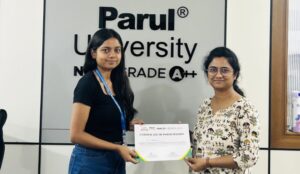
How the Five MNRDC Research-Cadre Faculty Turned a Single Day Into Working Instrument Training for Seventeen Students: Inside the Three Rotating Hands-On Stations on SEM Micrography of Microbial Cells, Microalgae Cultivation, UV-FTIR Spectroscopy, Atomic Force Microscopy, and Sputtering at Parul University’s Micro-Nano
After morning sessions on microbial bioactives and engineered biofactories, the MNRDC research cadre (Drs. Mahendra Singh Rathore, Vishal Mehta, Meenu Khan, Anwesha Khanra, and Mohit Tannarana) ran three afternoon stations on SEM, microalgae, UV-FTIR, AFM, and sputtering.
17 students of Parul University attended a 1-day exclusive workshop on Microbial Cells as Green Bio-foundries by Parul University’s MNRDC. They explored Immunomodulatory bioactive, engineered biofactory strain design, and hands-on SEM, UV-FTIR, AFM, algae cultivation, and sputtering stations!
MNRDC of Parul University hosted an exclusive 1-day workshop on Microbial cells as Green Bio-foundries for therapeutics & environmental remediation. This exclusive workshop was hosted on 11th April 2026 with guest speakers Dr Anupan Jyoti & Dr Gunjan Sharma.
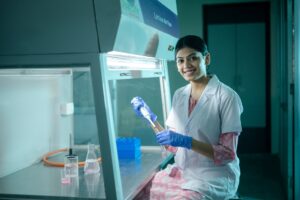
Data Science for Biology: How B.Sc Biotechnology Students Are Solving the Next Pandemic
Modern pandemics need both biology and data science, and B.Sc in Biotechnology students are learning to use both to solve future global health challenges.

