Program details overview
Bachelor of Technology CSE in Cloud Computing
Parul University’s B.Tech. CSE in Cloud Computing program is designed to equip students with expertise in cloud infrastructure, virtualization, and security. The curriculum covers cloud architecture, DevOps practices, and enterprise cloud solutions used across industries.
Cloud Computing is ideal for students passionate about scalable computing, IT infrastructure, and enterprise software solutions. Graduates of this program will be prepared to work in industries such as IT services, cybersecurity, and software development.
Here is how you can study this program

B.Tech. CSE in Cloud Computing
The 4-years Bachelor of Technology program offers students a strong foundation and advanced expertise in cloud technologies, virtualization, and DevOps practices. Through a blend of theoretical learning and hands-on training, students gain the skills to design, deploy, and manage scalable cloud infrastructures. The program covers key areas such as containerization, CI/CD pipelines, infrastructure as code, and cloud service models, preparing graduates to streamline software development and operations in dynamic, cloud-first environments across various industries.
Secure your place
25th August 2026
Applicable deadline
25th August 2026
Batch Commencing
8th July Onwards
Duration
4 years
Credits
180
Seats
60
Fee
1,75,000/- Per Annum
Language
English
Eligibility Criteria
Candidate shall have passed 12th Science with Physics and Mathematics as compulsory subject with Chemistry/Computer Science/Information practice/Computer with 45% for general and 40% for reserved category in theory or theory + practical from recognized board.
*Tuition Fees may vary depending on the Country/State in which the candidate has passed their qualifying examination.
B.Tech. CSE in Cloud Computing
The 3-years lateral entry Bachelor of Technology program is designed for diploma holders who directly join in the second year. This program provides in-depth knowledge in cloud technologies, virtualization, and DevOps practices. Students learn to manage modern IT infrastructure, automate deployment processes, and implement scalable cloud-based solutions. With practical exposure to tools like Docker, Kubernetes, and CI/CD pipelines, the program equips graduates for high-demand roles in cloud engineering, DevOps, and IT operations.
Secure your place
25th August 2026
Applicable deadline
25th August 2026
Batch Commencing
8th July Onwards
Duration
3 Years
Credits
180
Seats
60
Fee
1,75,000/- Per Annum
Language
English
Eligibility Criteria
Candidate shall have passed Diploma engineering with 45% for Open Category and 40% for( SC/ST/SEBC) and can get admission in 2nd year of B.Tech (Lateral Entry) (Candidate can change the specialization from diploma to degree)
*Tuition Fees may vary depending on the Country/State in which the candidate has passed their qualifying examination.
B.Tech. CSE in Cloud Computing
Parul University’s Computer Science and Engineering program offers a range of international pathway opportunities that provide students with a global academic experience and a competitive edge in the tech industry. Through its 2+2 bachelor's pathway, students can begin their studies at Parul University and complete their final two years at esteemed institutions such as Rowan University and Louisiana State University of Shreveport in the USA, Canterbury Christ Church University in the UK, and Charles Sturt University in Australia and an exclusive 3+1+1 progression program with Louisiana State University of Shreveport a 3.5+1.5 program with ESIGELEC in France among others.
Secure your place
25th August 2026
Applicable deadline
25th August 2026
Batch Commencing
8th July Onwards
Duration
2+2 years
Credits
180
Seats
60
Language
English
Eligibility Criteria
Candidate shall have passed 12th Science with Physics and Mathematics as compulsory subject with Chemistry/Computer Science/Information practice/Computer with 45% for general and 40% for reserved category in theory or theory + practical from recognized board. - testing
*Tuition Fees may vary depending on the Country/State in which the candidate has passed their qualifying examination.
Extend Your Learning, Walk Away with Dual Degrees
While you are studying your main degree, you can also study another degree as a dual degree program which provides you an opportunity to explore multiple fields of study. With Dual Degree you can study your main degree in physical mode and your second degree in hybrid mode with adjustable study hours

Why study this program
Be a part of a engaging learning atmosphere that gives you the tools to excel in the career of your choice.
Powering IT with the Cloud
From data storage to enterprise applications, cloud technology is essential for businesses worldwide.
High-Demand Career Path
Cloud professionals are in high demand across industries such as IT, finance, healthcare, and e-commerce.
Hands-on Industry Exposure
Students gain practical experience through cloud-based projects, internships, and collaborations with leading cloud service providers.
Cutting-Edge Curriculum
The course integrates cloud architecture, security, DevOps automation, and scalable infrastructure solutions.
Advanced Learning at PU
Parul University provides dedicated cloud labs, industry-led training, and expert faculty guidance for career development.

What you can become after studying Cloud Computing

Cloud Engineer

DevOps Specialist

Cloud Security Analyst

Solutions Architect

Cloud Infrastructure Manager

Virtualization Engineer

Here is the Important Information you need to Know
Find out if this is the right course for you.
Find out if this is the right course for you.

Download curriculum
Get a complete overview of what you’ll learn, the skills you’ll build, and how the program shapes your academic journey.


Download teaching scheme
Understand how your learning is structured, from subject flow to timelines, designed to keep your progress clear and consistent.

Download faculty details
Discover the experts behind your education: their experience, specialisations, and the knowledge they bring into the classroom.
Download curriculum
Get a complete overview of what you’ll learn, the skills you’ll build, and how the program shapes your academic journey.
Download teaching scheme
Understand how your learning is structured, from subject flow to timelines, designed to keep your progress clear and consistent.
Download faculty details
Discover the experts behind your education: their experience, specialisations, and the knowledge they bring into the classroom.
Launch your career with our leading placements
We provide you with leading placement opportunities before you graduate, with the best career training and an exposure to leading recruiters.
4-6 LPA
Average Package
2,200+
Recruiters
60* LPA
Highest Package Offered

Give your future career a head start
Explore our facilities & resources for this program

Automobile Engineering Lab
Combines theory and practice in vehicle mechanics, design innovation, and performance testing under simulated industry conditions.

Nanotechnology Lab
A research-oriented lab advancing studies in nanoscale materials, sensors, and technologies for futuristic engineering solutions.

Cloud Computing Lab
Explores distributed computing systems, cloud architecture, and virtualization through hands-on server-based simulations.

Internet of Things (IoT) Lab
Integrates sensors, networks, and intelligent devices to build smart solutions for automation and real-time connectivity.
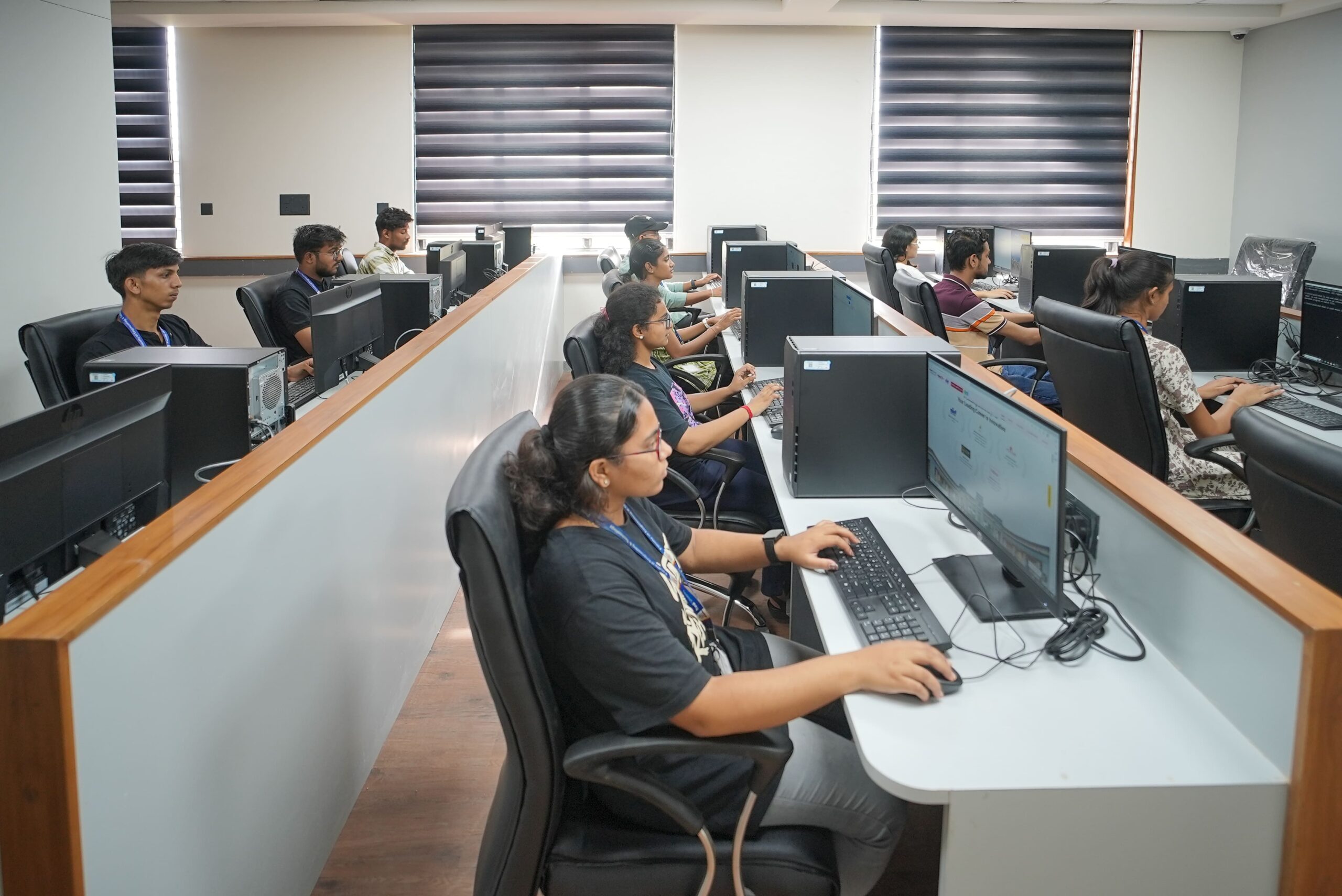
Network Architecture Lab
Offers a dynamic environment for designing and analyzing enterprise-level network systems and security configurations.

Extended Reality & Game Lab
Encourages experimentation in immersive storytelling and interactive media through AR, VR, and game design tools.
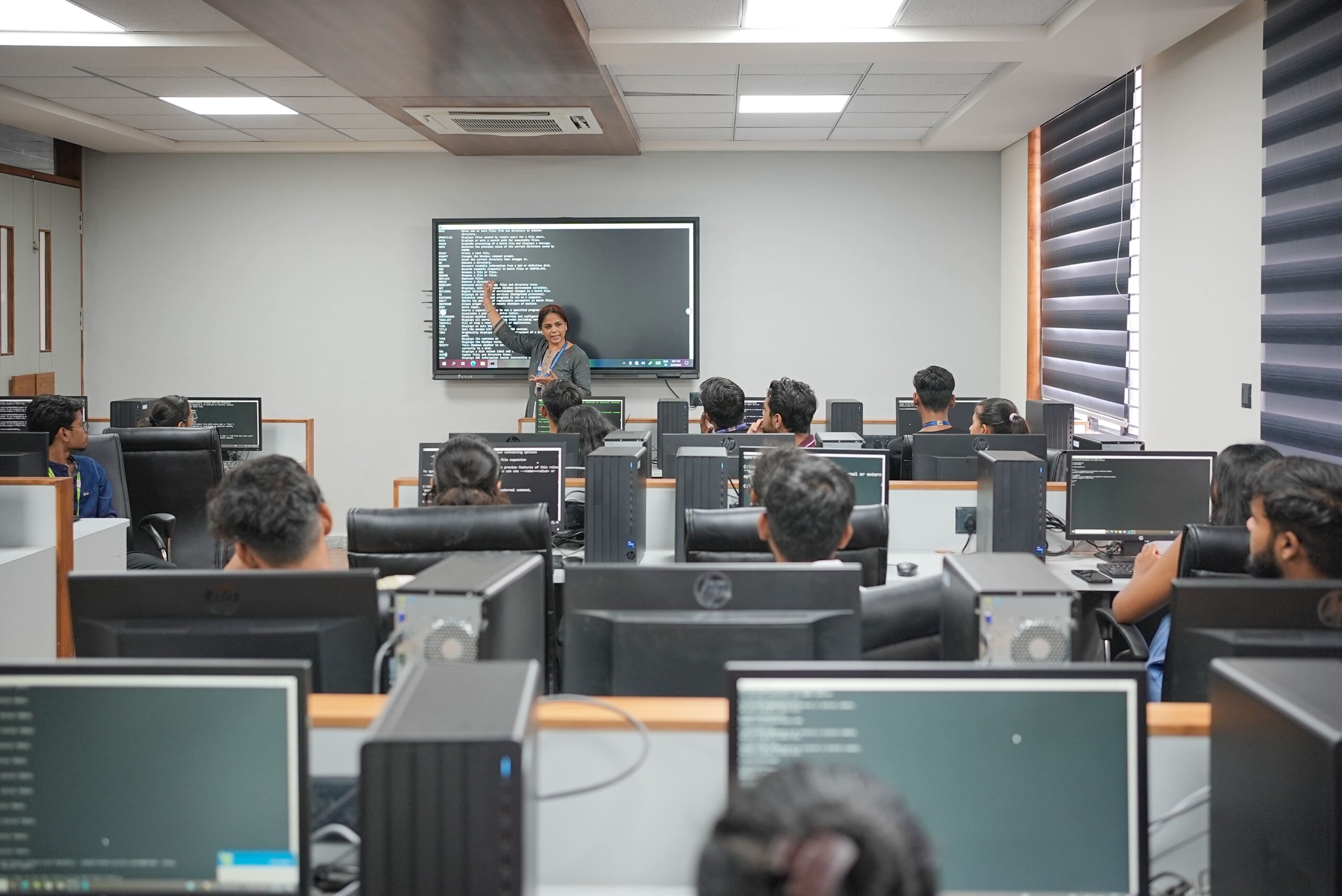
Civil Surveying Lab
Provides training in geospatial mapping and land surveying using modern equipment and digital measurement systems.

Aircraft Maintenance & Repair Lab
Replicates real-world aviation environments, allowing students to engage with aircraft systems and maintenance technologies.

Fab Lab
A digital fabrication space that nurtures innovation through 3D modelling, CNC machining, and hands-on prototyping.

3D Printing Lab
Bridges design and production by allowing students to translate digital concepts into tangible prototypes with precision.

UAV/Drone Lab
Trains students in drone design, programming, and deployment for applications across engineering, agriculture, and logistics.
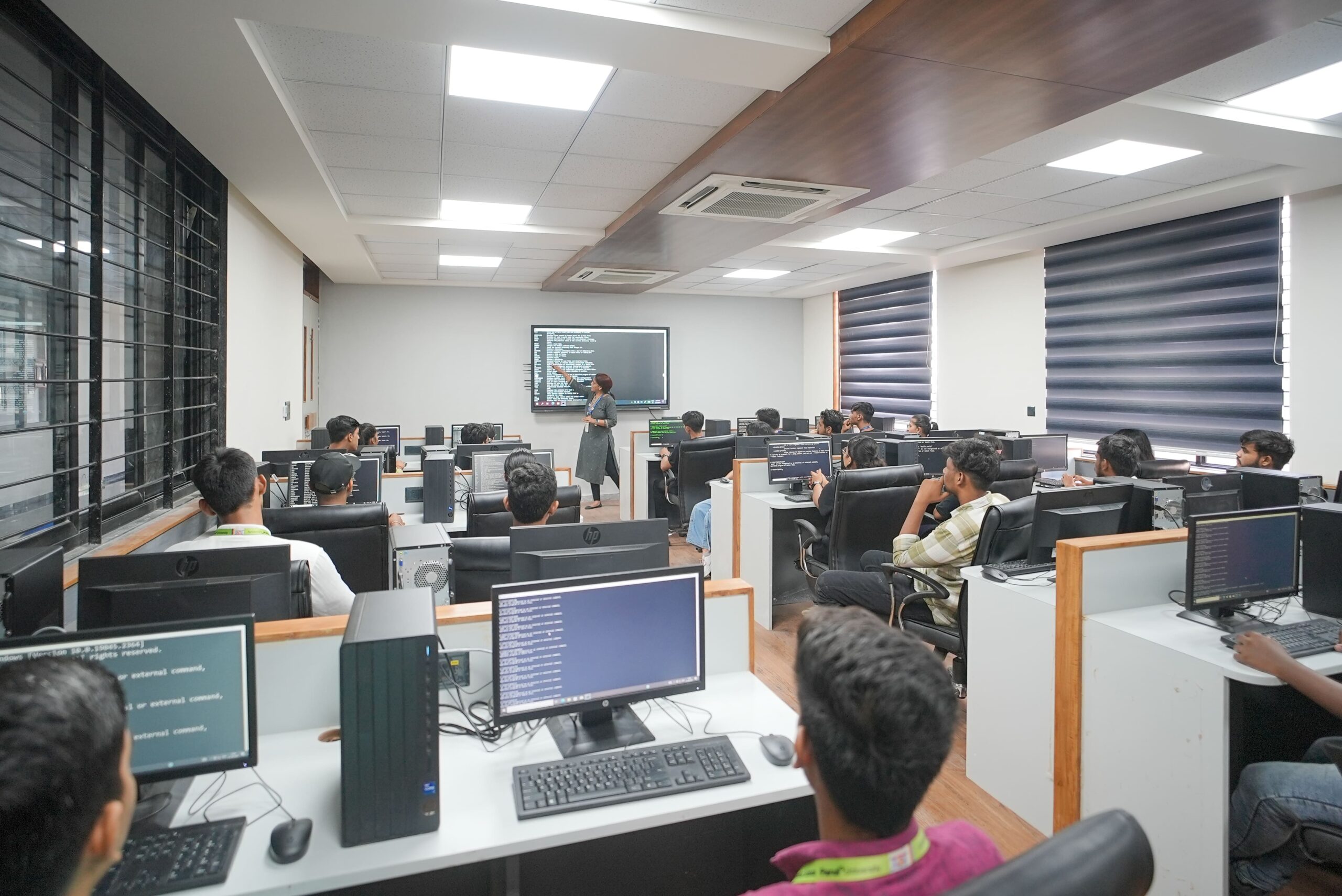
Cyber Security Lab
Designed for hands-on training in ethical hacking and digital forensics, ensuring students learn to safeguard modern digital infrastructures.
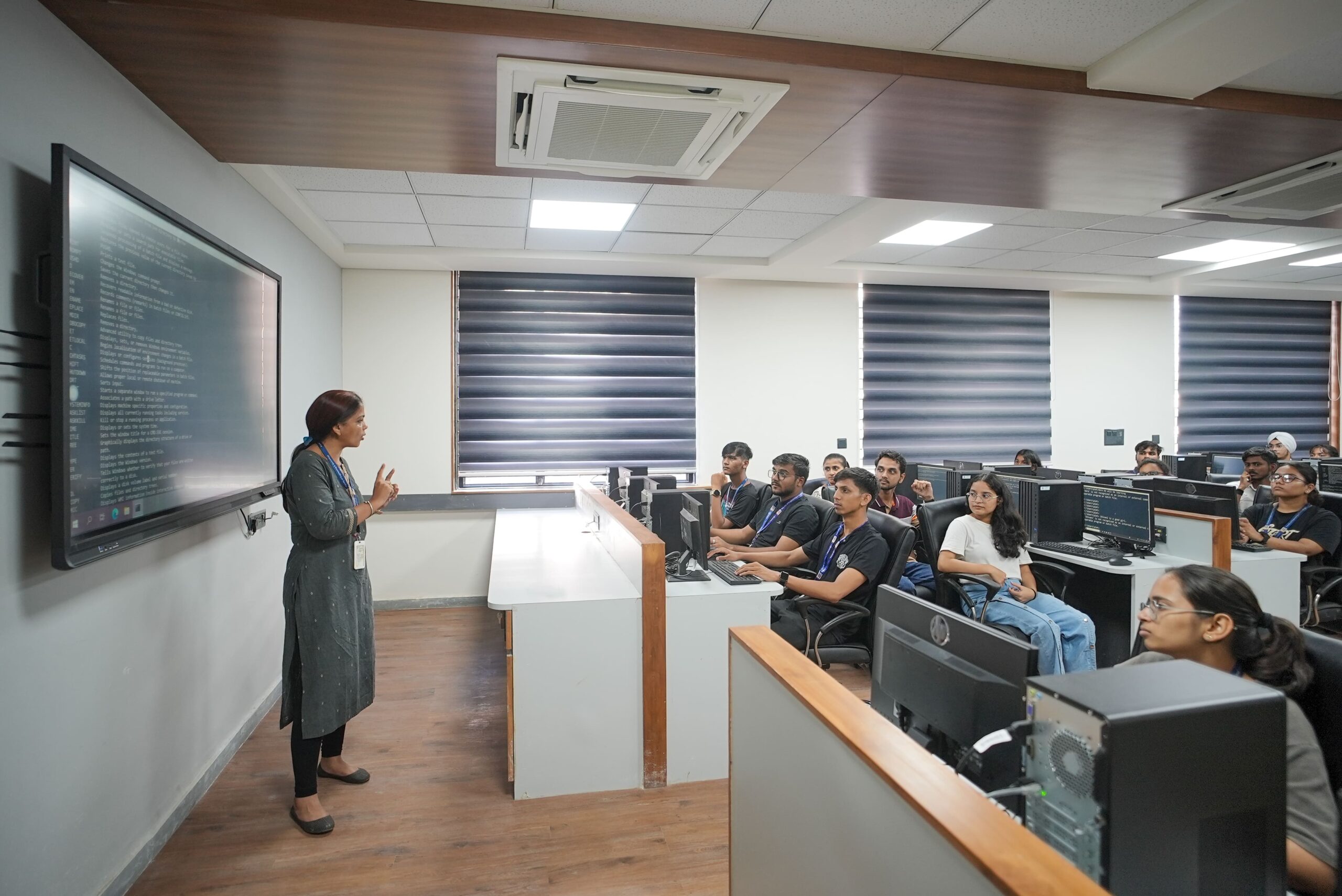
Tinkering Hub
A collaborative innovation studio where ideas evolve into prototypes, encouraging interdisciplinary creativity and problem-solving.
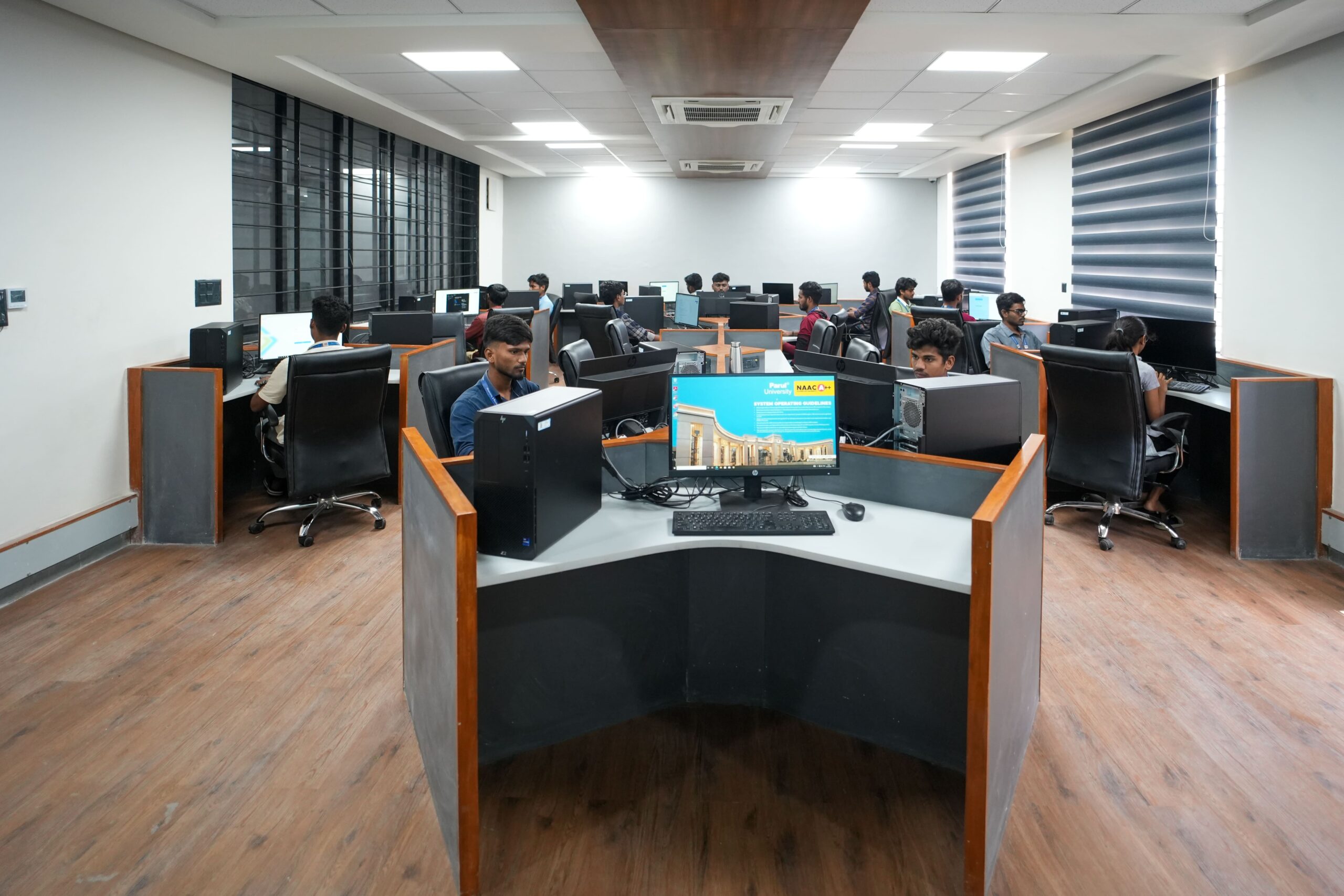
Computer Lab
Equipped with high-end systems and licensed software to facilitate programming, computational analysis, and digital experimentation.
Supercomputer Lab
Empowers advanced computation and data-intensive research through high-speed processing for AI, engineering, and scientific modelling.
AR/VR Lab
Enables immersive learning through the creation and simulation of augmented and virtual environments for engineering and design.
Scholarships & funding
Financing and supporting your education
Get information on the various scholarships, grants, and student loans you can avail to fund your dream education.

Meritorious scholarships
Recognising academic excellence by providing scholarship opportunities to those who exceptionally pass board and entrance exams
Know more


Sports scholarships
Recognising athletic excellence by providing scholarship opportunities to those who have achieved distinction in sports at State, National, or International levels.
Know more

Alumni scholarships
Fostering lifelong connections by providing scholarship opportunities to the wards of PU alumni to continue the legacy of excellence.
Know more

Defense scholarships
Honoring the families of defense service persons by providing scholarship opportunities to their wards to study at PU
Know more

Stay up to date with Cloud Innovations
DevSecOps Explanation: Security At Every Level of DevOps
DevSecOps explanation and building security, which often gets skipped under tight deadlines. Building security is required from step one of the DevOps Pipeline. The article focuses on why security should not be an afterthought and the core practices that keep modern software safe.

What Is Observability? Logs, Metrics, Traces, and Why It Matters
Building software and shipping it is not the finish line; it is still half done. How it works once it is live is known as observability. This article attempts to explain observability, how to do it, what it means, how it is different from monitoring, the three pillars (logs, metrics, and traces), and how to find issues that can save money in real systems.
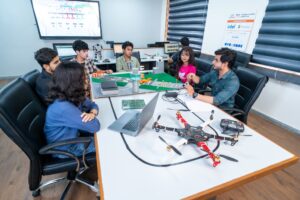
Guide For Students: How To Contribute To Open Source
To learn how to contribute to open source, one should know how it happens. This article is a guide for that. Open source powers the modern software world; students will get to learn how to build it and get visibility before they graduate. In the tech session, Parul University also talked about the open source world, including the ways in which writing code is not required.
DevOps on AWS: The Core Toolchain Explained
This article gives you a guide on AWS and how it offers a service for almost every stage of the DevOps lifecycle, and it is powerful & confusing in equal measure. This article also covers CI/CD and infrastructure as code for compute, monitoring, security, and cost, so you can see how the pieces fit together.

How to Become a DevOps Engineer: A Beginner’s Roadmap
Cloud and DevOps can feel overwhelming because there are so many tools. The advice from industry experts at a Parul University session was refreshingly simple: clear your basics first, and learn in the right order. Here is the beginner’s roadmap they recommended, plus honest answers on careers, certifications, and AI.
What Is Cloud Native? CNCF, Containers and Kubernetes, Guide For Beginners
Cloud computing is different from cloud platforms like AWS, which is usually confused with it. Cloud computing goes beyond; it is specifically planned for building a structured, scalable, resilient way with microservices, containers, orchestration and automated pipelines. This guide, drawn from a Parul University cloud-native session, explains what cloud native really is, and why it matters.

What Is an ERP System? Modules, Role-Based Access, and Odoo Explained
Almost every large company runs on an ERP system, yet most students have never built one. This guide explains what an ERP (Enterprise Resource Planning) system is, why role-based access is central to it, and how open-source ERP like Odoo works, illustrated through a Parul University hackathon project.
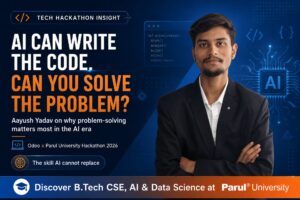
Problem-Solving in the AI Era by Parul University – The Skill That Still Matters!
If AI tools can write code and answer almost anything, what is left for a student to learn? According to a Parul University student who used exactly those tools to win a hackathon selection, the answer is problem-solving, the one skill AI cannot do for you, and the one that matters more than ever.

How to Prepare for Your First Hackathon-A Beginner’s Guide by Parul University!
Most students avoid their first hackathon because they think they are not technical enough. A Parul University student selected at the Odoo hackathon says that is exactly the wrong reason to stay away. Here is his advice on preparing for a first hackathon and what the selection process actually involves.

How to Learn DSA and Prepare for Coding Interviews: A Student’s Self-Study Roadmap
There is no shortcut to data structures and algorithms, but there is a method. Meet Aayush Yadav, a B.Tech student of Parul University who learned Java by himself and cracked a hackathon selection using free resources and one single mindset-take one problem at a time and solve it. Here’s the entire breakdown!
What Is Prompt Injection? AI Security in the Age of Agentic AI and MCP
As AI systems move from answering questions to taking actions, they become software that can be attacked. Prompt injection, now ranked the number-one risk to AI applications, is the central threat, and agentic AI and the Model Context Protocol expand the attack surface. Here is what it means, and how to defend against it.

Explore containers & Kubernetes – Master how Linux, Ansible & OpenShift function together, as explained at Parul University!
Explore how containers & Kubernetes are explained in sync with Linux, Ansible & OpenShift’s functioning. Kubernetes solved the problem of running thousands of containers. Ansible solved the problem of configuring the machines underneath. Read ahead for the full coverage!

Red Hat Certification Explained: RHCSA, RHCE and the Specialist Tracks, Available Through Parul University
Most IT certifications ask you to recognise the right answer. Red Hat exams put you on a live system and require you to make it work. That difference is the whole reason they carry the weight they do, and it changes how you should prepare.

